
 E-Paper



Wildbuzz: Doomed & damned at Perch
It is not that the monsoons of 2023 failed the dam’s storage requirements, there was abundant water, but years of unchecked siltation has robbed the dam of its capacity. Constructed in 1993 with World Bank funds, the silt has stacked up to an astonishing 15 metres since then


The Perch check-dam is smouldering like a shamshan ghat left working overtime by a horrific tragedy. For weeks, the rains have played truant. The sun is ruthlessly torturing this bowl nestling in the Shivalik foothills behind the PGIMER. The ‘loo’ or ‘garam hawa’ is relentless in sucking out moisture from the dam. The reservoir, which was a perennial source of water for the neighbourhood wildlife, has once again dried up. It is a tragic repeat of the events that transpired in 2021. The dam bears a look of sullen ashes smearing the surface. The dry, cracked floor of the dam is strewn with the remains of thirsty creatures.
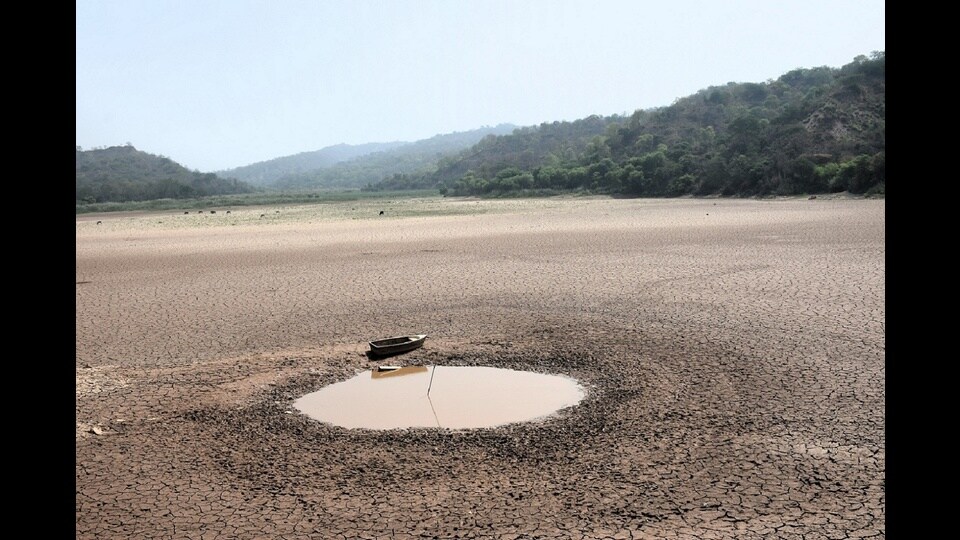
It is not that the monsoons of 2023 failed the dam’s storage requirements, there was abundant water, but years of unchecked siltation has robbed the dam of its capacity. Constructed in 1993 with World Bank funds, the silt has stacked up to an astonishing 15 metres since then. This has left the dam with just two-three metres of water storage capacity. The engineers of the canals wing of the Punjab water resources department fear the dam will break if they store water beyond the capacity. Therefore, the rest of the monsoon water is discharged as a waste.
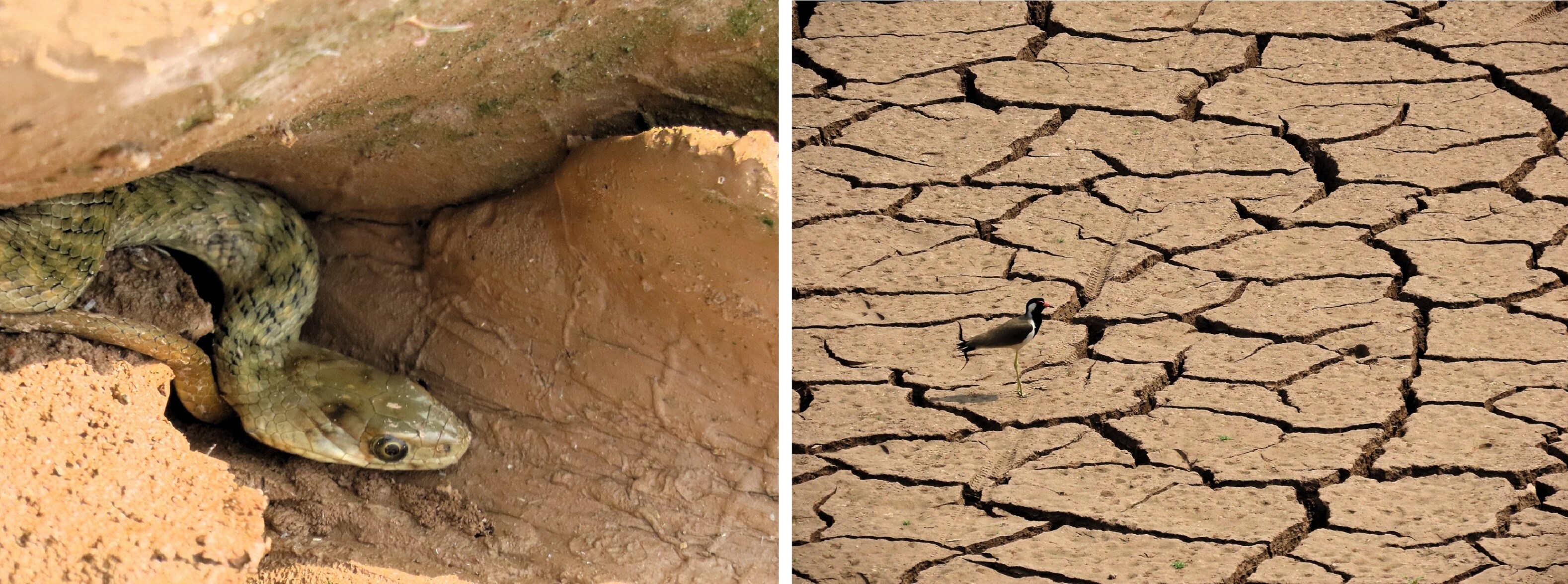
As the waters receded this summer to nothingness, the dam had turned into a killing field for the wanton massacre of thirsty Sambars by village dogs. The fish, snakes and frogs have been left high and dry. Wetland birds such as Red-wattled lapwings can only strut around on the baking, cracked surface emitting calls of desolation. The dam was a breeding ground for long-tailed and Savanna nightjars. But these birds will have to resort to family planning this summer because of the dearth of insects which they feed on. These insects thrive on the availability of perennial water at the dam. Wild creatures had got accustomed to a source of fresh water at the dam and had made it their homes and timed their breeding cycles. But the lack of water at Perch dam --- a catastrophe repeated twice in the last three years --- constitutes a betrayal of wild creatures, farmers and the cows /buffaloes /goats that graze along the dam in high numbers.
The dam answers the irrigation needs of Baddi Perch, Nadda and Seonk villages. There are not many tubewells in the area and ground water runs hundreds of feet deep. “We have been writing to the department and meeting their senior officers over the last decade. Our plea is to have the dam desilted so that the storage capacity increases and water is available for our wheat crops from November onwards till April. For our last wheat crop, we got only one round of water from the dam in November. After that, water finished because of low storage. Every year, officers promise they will have the dam desilted,” Sucha Singh Pardhan, who heads the local forest management committee and is a farmer, told this writer.
At the rate, the dam has silted up over 30 years, it is but a matter of a few years and the silt will have reached the dam’s peak storage capacity. “We are sincerely working towards prolonging the life of these dams. We have set up a committee of experts. We have moved the proposal for de-siltation of the dams as all of them --- Jayanti, Siswan, Mirzapur etc --- face this problem. Since Perch dam faces the most immediate threat, we will accord it priority,” chief engineer, Canals, Sher Singh, told this writer.
It is difficult to take the department’s solemn undertakings at face value. These have been repeated 10 times over to smother the hue and cry of a recurring crisis.
vjswild2@gmail.com


