
 E-Paper



Wildbuzz: Pak bunker mein saamp ki mausi
This bunker, which is located just below Vikram Batra Top, had stymied the Indian Army’s advance up the Safed Nullah during the Kargil War


Around 22 years ago, Indians were left awestruck by the visuals and stories of our soldiers braving impregnable inclines and freezing climes to evict Pakistan Army intrusions from Kargil. Years later, an abandoned Pakistani ‘sanger’ or stone bunker at Point 4355 (14,288 feet) in the Mashkoh LOC sector has come to be reoccupied by a ground lizard species equally adept at braving the vagaries of deep freezes!
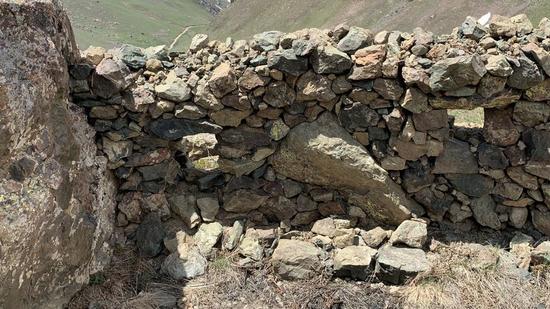
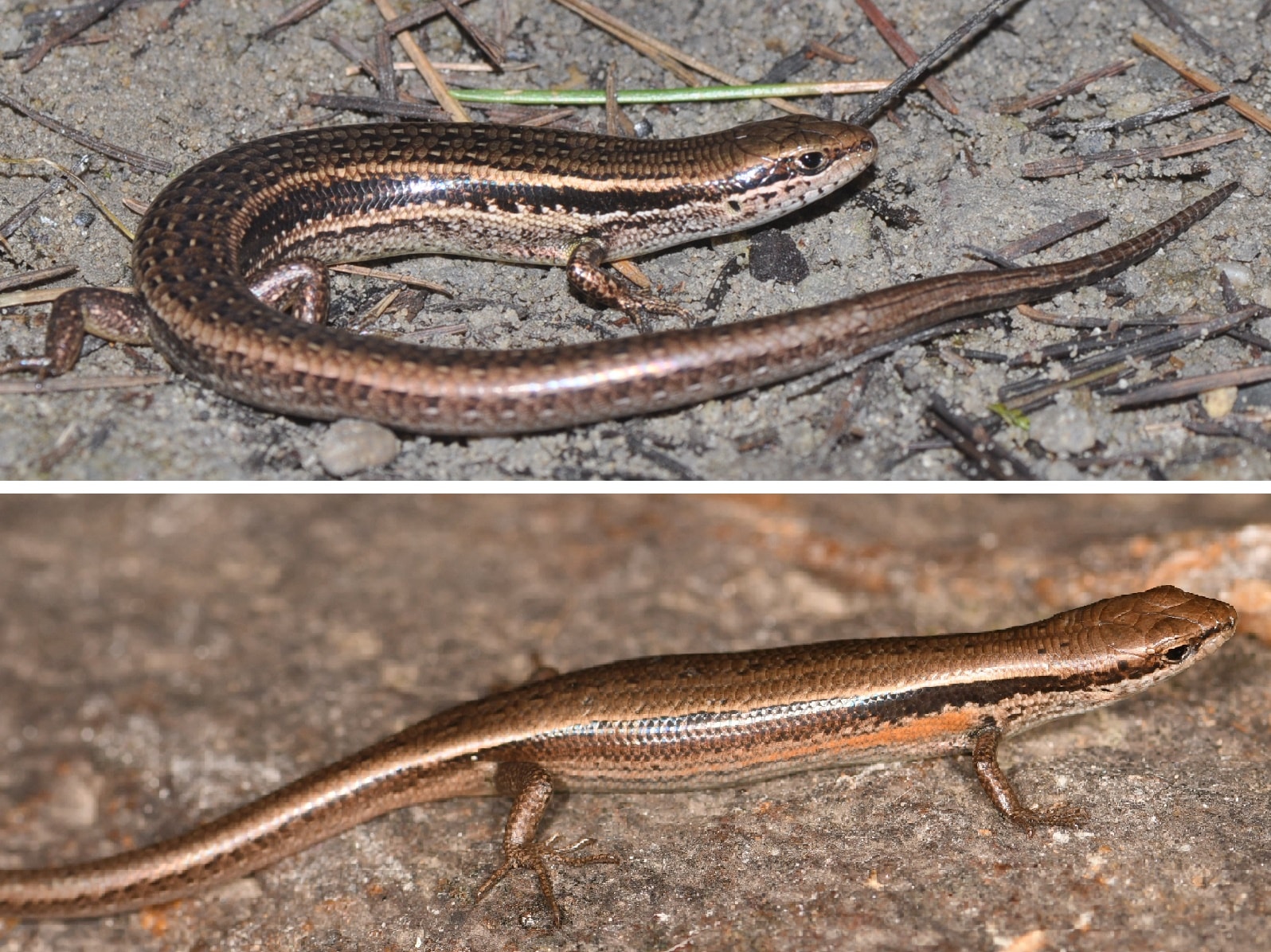
This bunker, which is located just below Vikram Batra Top, had stymied the Indian Army’s advance up the Safed Nullah during the Kargil War. These are high-altitude skinks, which amaze the observer with their ability to weather tonnes of snow. Not more than 14cm in length, these skinks are cousins of the ‘baamani’ or ‘saamp ki mausi’ – the red-tailed lizards seen slithering in gardens in the plains and sometimes staging a furtive entry into houses.
India is home to 62 species of skinks that are a group of carnivorous lizards that gulp down or swallow their prey (insects) just like our house lizards. However, due to ignorance, oftentimes slithering skinks are confused with venomous snakes and killed, though they do not possess a toxic bite. On the other hand, in some Indian cultures skinks are considered a good omen. If a human hand touches their pink or reddish tail, it is supposed to invite good fortune!
As I cautiously peered over the parapet of the ghostly bunker at Point 4355 as part of a conducted tour by the Army, gentle wildflowers and shy skinks below me mingled comfortably with danger in this ‘live Kargil War museum’. There was expended machine-gun ammunition, a decaying radio set and a live rocket-propelled grenade (RPG) lying in the bunker’s rubble and an unexploded hand-grenade on the path up to the bunker. No human is allowed into these abandoned bunkers by the Army as there is the additional hazard of Pakistani soldiers having mined and booby-trapped their temporary abodes with covert explosives before retreating across the LoC.
Tiny skinks can comfortably crawl over unexploded shells without triggering a blast but were an unwary Himalayan Brown bear to lumber in, a catastrophic outcome is probable. The piles of boulders or stones that the Pakistanis had heaped together to shape the bunker in 1999 were put to effective use by skinks in later years as they hibernate in crevices of moss-covered stones when several feet of snow erase the brief shimmer of summery green meadows. At last, the rocks have returned to one of the utilities Nature had intended them for: as a refuge for creatures rather than for Pakistanis to wage destructive wars at the proverbial heights of madness.
My curiosity greatly aroused, I sought a perspective from Kaushik Deuti, a scientist with the Zoological Survey of India and lead author of the seminal volume, Skinks of India. “The skink species in the bunker could either be the Himalayan Rock skink (Asymblepharus himalayanus) or Ladakh Rock skink (Asymblepharus ladacensis). Both species belong to a genus of mountain skinks known as Asymblepharus and are found not only all along the Himalayas but also in the Karakoram and up to Tien Shan mountains, Central Asia. In India, we have four species from this genus. These skinks are adapted to surviving cold and feed on small ground-dwelling insects of high altitudes,” Deuti told this writer.
By July, skinks of the ‘wuthering heights’ complete their breeding cycle. Researcher Nitin Jamdar of the BNHS had in 1985 collected eggs of the Himalayan Rock skink at 7,500-8,500 feet. The yellow and pale cream eggs had been placed in two rows of four each by the female and resembled corn grains but with a squarish appearance. During courtship rituals prior to mating, the male skink develops an orange belly to attract females.
Deuti drew attention to a fascinating adaptation. “The lower eyelids of these mountain skinks bear a transparent disc (window) through which they can see even with their eyes are closed. The reason for this evolutionary development may be to screen ultraviolet radiation from the sun that can lead to impaired vision. Mountaineers use special sunglasses as the shine from rocks and ice often baffles them. In the same way, these skinks that live inside moss-covered rock crevices may have developed a transparent lower eyelid which they pull up every time they need to venture out of their crevices in search of prey,” said Deuti.
vjswild1@gmail.com


