
 E-Paper



Wildlife wing engages forest-dependent communities to boost nature tourism
Divisional wildlife wing forest officer Ravi Shankar said, “Nature tourism or responsible eco-tourism is one such way that puts nature conservation at the core and builds an ecosystem of alternative livelihoods for local communities.”


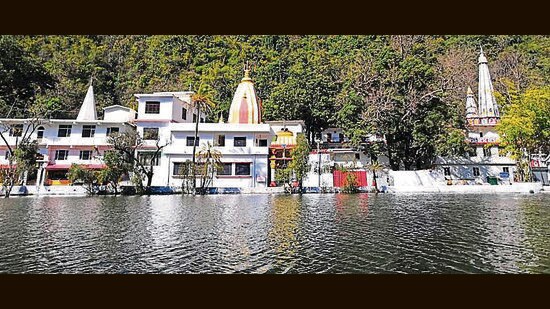
The wildlife wing of the forest department has taken a distinctive step of engaging forest-dependent communities and creating alternative livelihoods for them by involving them in development of nature tourism in and around the sacred Renuka Lake — a world-famous wetland and Ramsar site in Sirmaur district.
Divisional wildlife wing forest officer Ravi Shankar said, “Nature tourism or responsible eco-tourism is one such way that puts nature conservation at the core and builds an ecosystem of alternative livelihoods for local communities.”
Trails for tourists in catchment area of Renuka
The wildlife wing’s Shimla division is making concerted efforts to upscale both, the nature tourism as well as eco-tourism, at Renuka wetland. The lake holds tremendous cultural and religious significance, being a site of pilgrimage for lakhs of devotees. The forest department is developing trails for tourists in the catchment area of the lake which is close to the urban areas of Chandigarh, Dehradun, and Delhi making it an ideal destination for weekend tourism for urban youth to rejuvenate.
2-week training for nature guiding skills to local youth
Shimla wildlife division through its range staff at Renuka imparted two-week special training to give essential skills of nature guiding to local youth largely from the eco-sensitive zone of the wildlife sanctuary. “The modules conceptualised included everything that seemed common-sensical and essential to the ecosystem at Renukaji from wetland education, zoo fauna, forest fauna and flora, birding, first aid and disaster management, communication skills, photography and use of social media platforms to reach out to the niche eco-tourists,” said Shankar.
The forest department also used social media influencing in a big way to bring Renuka on the niche ecotourism map of the country and the globe as an offbeat tourist destination and one that coincides well with the ecotourism policy of the state. The participants showed unparalleled dedication by participating in the programme, without a break for 12 consecutive days, travelling from far and reaching early for various sessions (as for birding), and staying late until dark. Noteworthy is the fact that many participants were daily wagers who forewent their daily earnings in the hope of a ‘new future’. All participants were given certificates.
Educated youth have now become educators and will educate schoolchildren and other children on forest conservation and eco-tourism development. Ashish Palyal of Eco-Vigyaan foundation gave training about eco-brick building activity to find sustainable solutions to manage plastic waste thrown around the wetland and use it for landscaping and beautification of the Parikrama Path.
The national animal tiger will be introduced in the lion safari in Renuka. Himachal Pradesh forest department’s wildlife wing has contacted three zoos and biological parks to get a pair of tigers in the sanctuary that was earlier popular for propagating Asiatic lions.
Renuka Safari considered the first zoo in Himachal Pradesh, was set up in 1957 with caging animals that strayed in human habitations.


