
 E-Paper



Come November, CP’s Central Park to turn venue for Delhi govt’s language festivals
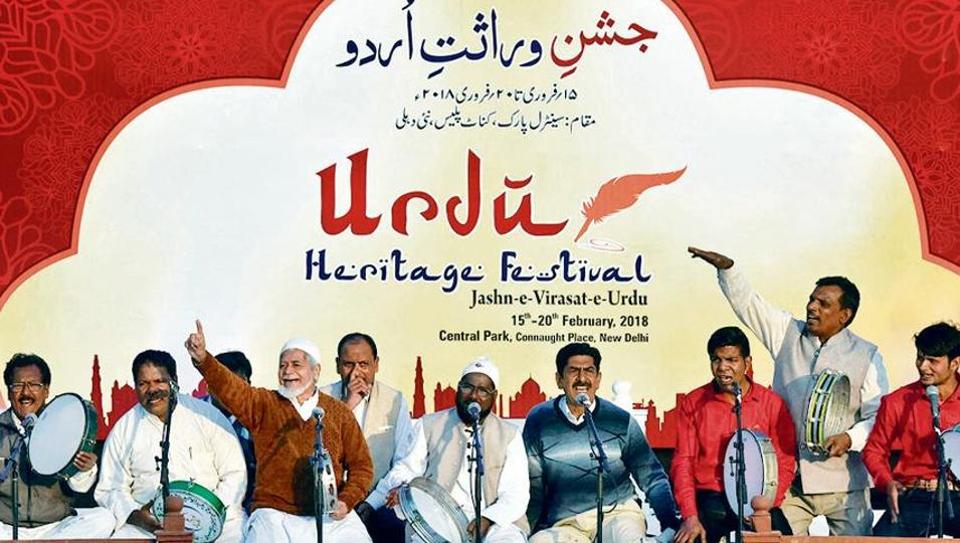
The Urdu festival, organised by the Urdu Academy of the Delhi government used to be held on Red Fort lawns since 2010. But officials said shifting the festival to the central park has led to greater interest and participation in the event.

 Prefer HTon Google


Starting next month, the Central Park in Connaught Place will turn a mega stage to showcase a month-long festival in which the Delhi government plans to celebrate the linguistic diversity of the national Capital.
The Aam Aadmi Party government had been holding heritage festivals in the park for the past two years.Bbesides Sanskrit, Urdu and Punjabi, Bhojpuri will also feature in the festival this year.
“Delhi has a very rich and diverse language heritage. By bringing the language festivals to Central Park we want to reach a wider audience, especially youngsters,” said Manish Sisodia, deputy CM and minister in charge of art, culture and language department.
Explaining the choice of location for the festival, Abhinandita Mathur, cultural advisor to the Delhi government, said, “Central Park is in fact an interesting location since anyone can enter and such festivals can help cut through class boundaries.”
Mathur said 30% of Delhi’s population consists of people from eastern Uttar Pradesh and Bihar and that is why it was important the Bhojpuri was included to the list of languages chosen for the festival. “Bhojpuri and Maithili speaking people constitute close to 30% of Delhi’s population. Majority of them live in unauthorised colonies. Through this festival we want to make their culture and language mainstream,” said Mathur.
The festival will showcase events such as chutney music from the Carribeans which has a large Bhojpuri speaking population, Maithili and Bhojpuri folk music. “The objective is to instil pride in the Bhojpuri and Maithili speaking population of Delhi and help people from other areas understand their culture,” said Prabhanjan Jha, a Maithili scholar.
Mathur said events in Urdu festival would include storytelling sessions by Qissa Goi performers narrating stories of old Delhi’s history, and performance of Tashe Nafiri (a flat drum like instrument), that is unique to Delhi. “These languages, especially Urdu and Punjabi are integral to the history of Delhi. Through these languages one would get insight into the city’s past,” said Mathur.
The Urdu festival, organised by the Urdu Academy of the Delhi government used to be held on Red Fort lawns since 2010. But officials said shifting the festival to the central park has led to greater interest and participation in the event.
Speaking about the preparation for the Sanskrit festival, which is scheduled to begin from October 22, Jeetram Bhatt, secretary of the Sanskrit Academy, said, “People believe that Sanskrit is only meant for books. We want to break this notion and show that Sanskrit can be spoken and enjoyed like any other language by the common man.” Programmes lined up for the festival include folk songs from across the country in Sanskrit, as well as fusion and rock music in the language.
A separate festival is also being planned to celebrate the diversity of languages in the country. The festival will also formally launch 15 new language academies in the city including those for Pali, English and foreign languages, Assamese, all South Indian languages, Gujarati, Marathi and Bengali.


