
 E-Paper



Covid-19: Biggest challenge in this disaster is absence of private doctors, says Shantilal Muttha
We have launched 11 mobile clinics in Pune city; we have the entire support staff but are having great difficulty in getting doctors to go with these mobile clinics, he says


Pune-based businessman and philanthropist Shantilal Muttha, founder, Bharatiya Jain Sanghatana has a history of undertaking relief work in every major disaster that has struck India in the last 30 years- be it the 1993 Latur and Bhuj (2001) earthquakes or the 2004 tsunami in southern India.
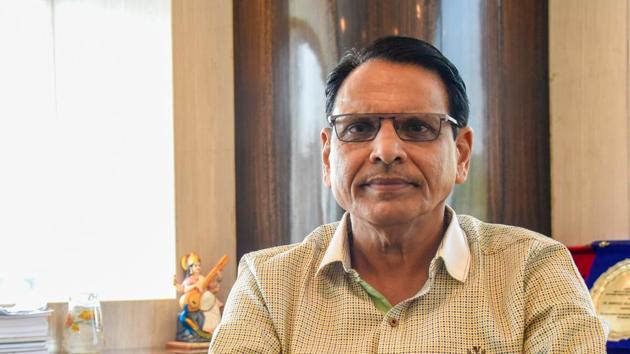
This time round, the Bharatiya Jain Sanghatana founded by him has launched 11 mobile clinics in Pune city and a Maharashtra-wide blood donation drive. This is besides creating quarantine facilities for 2,000 patients at the Wagholi Educational and Rehabilitation Centre. Muttha spoke to Abhay Vaidya on the challenges of undertaking relief work during the current Covid-19 crisis.
How do you compare the Covid-19 disaster to the other major disasters such as the Latur and Bhuj earthquakes and the 2004 tsunami in which you had led the Bharatiya Jain Sanghatana in the relief work?
I have undertaken disaster management work on a number of occasions in the last 30 years and in all those disasters, we never faced any restriction on the movement of our relief workers.
In this disaster the situation is that most of our volunteers are unable to step out of their homes. Our challenge is to do the work from home. Some amount of work has to be done on the field; there is no alternative to that. Our relief workers have shown that they have the capacity to take this life-threatening risk.
I have been appealing to doctors that I can provide them with relief assistants, but I need them too.
We have launched 11 mobile clinics in Pune city; we have the entire support staff but are having great difficulty in getting doctors to go with these mobile clinics. What should the common man do if even doctors are unwilling to step out for relief work? This is the biggest difference that I have seen in this disaster and the previous ones.
In any case, we are expanding this mobile clinic service and in the next three days you will see another 30 mobile clinics in other parts of Maharashtra.
You have introduced 11 mobile clinics in Pune and a blood collection drive across Maharashtra. What were the trigger points for zeroing on these initiatives?
I have always tried to anticipate and focus on what would be needed most- especially in the coming days and weeks, after a disaster strikes. What is it that is likely to be neglected?
The government is pre-occupied in dealing with the immediate crisis at hand. The first thing I did was to offer our entire educational complex at Wagholi for creating quarantine/isolation facilities. We have 250 rooms there with attached toilets and a capacity to house 2,000 patients. Each of these rooms have been equipped with beds, mattresses, hot water for bathing, drinking water and basic infrastructure. Government can use this facility as quarantine centre.
I focused on the blood donation drive because a massive need for blood will arise after April 14. We won’t realise this now. All the surgeries which have been put on hold will begin. With the resumption of traffic, there will be road accidents and overall, there will be a high demand for blood. We have prepared for that situation.
How are you ensuring the safety of your relief workers who are on the field?
We are maintaining social distance, and all have been provided with masks, sanitisers; our vehicles are being sanitised daily. All precautions are being taken.
As we are aware, the relief work is happening on a massive scale. Where do you see the gaps in this relief work?
Covid-19 is a health related crisis. The food and nutrition of the people have to be taken care of. One of the biggest gaps I see is the unavailability of private doctors in this crisis. This is the time when they need to step forward and participate in the relief work.


