E-Paper



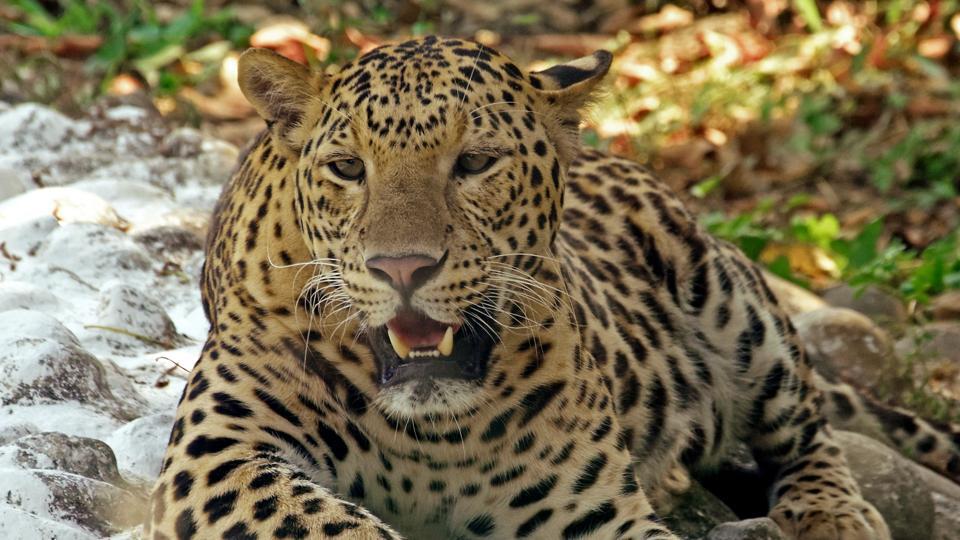
Leopard trapped by forest dept after death of woman burnt alive by villagers
Loss of life in leopard attacks account for half of all deaths attributed to wild animals in Uttarakhand

 Prefer HTon Google


DEHRADUN: A leopard caught in a cage kept by forest officials after a woman was killed on May 15 was burnt alive by angry villagers in Uttarakhand’s Pauri district on Tuesday.
Nityanand Pandey, conservator of forests Garhwal region said local forest officials had placed a cage in the area after a leopard killed a woman in Pauri’s Saplodi village.
“On Tuesday morning, the forest officials got information that a leopard had been caught in the cage. But by the time they reached there, the angry villagers had already burnt alive the caged leopard”, he said. The charred remains of the leopard were sent for post-mortem.
Pandey said a first information report (FIR) will be filed against the villagers after the autopsy report is received.
This is the second such incident in the district in nearly a decade. In March 2011, angry villagers poured kerosene on a leopard caught by forest officials because it had attacked 10 people.
In June 2018, villagers also set fire in a forest area of Bageshwar district after a 7-year-old boy was killed by a leopard.
Human deaths in leopard attacks account for nearly half of the total deaths due to wild animals in the state, according to data of the state forest department. Over 400 people have been killed in leopard attacks in the state since 2000.
In July last year, the Uttarakhand forest department released instructions for checking and dealing with the man-leopard conflict in the state. These included deployment of quick response teams in areas where leopard movement and attacks are reported. The instructions also ask officials to guide villagers on how to shield themselves from leopard attacks.