
 E-Paper



Atal Canteen face screening data to be deleted after 30 days
Delhi government to auto-delete facial recognition data from Atal Canteens after 30 days, addressing privacy concerns while ensuring meal access.


The Delhi government, after a review of the Atal Canteen programme, has decided that all images and data generated by the recently launched facial recognition system – installed to prevent individuals from purchasing multiple subsidised meals at a single time – will be automatically deleted after 30 days, officials aware of the development said on Tuesday.
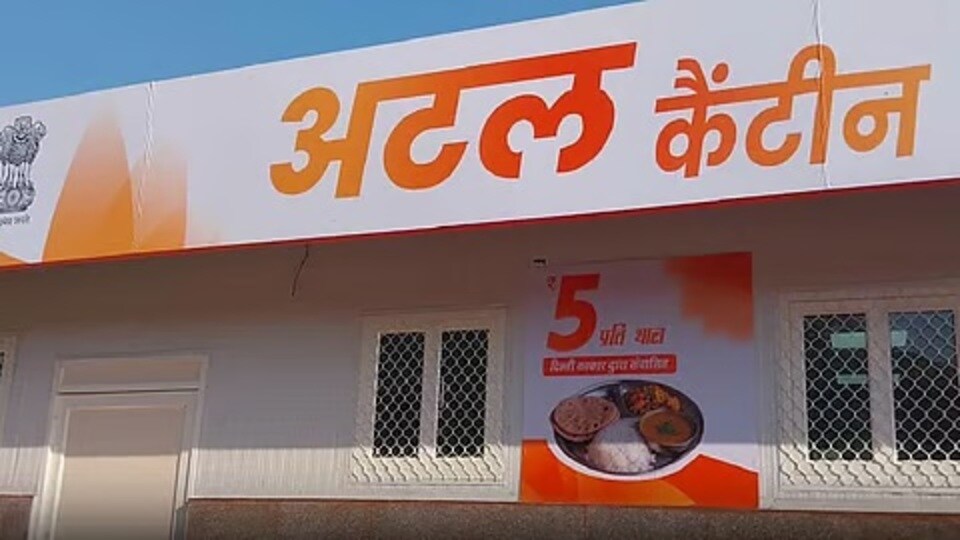
The decision, taken at a meeting held on April 9, was made keeping in mind privacy concerns around the facial recognition system, along with timings and approval of changes in locations where operational difficulties were observed in starting new canteens, the people cited above said. The order was issued on April 16.
A senior government official, who asked not to be identified, said images and data from the facial recognition system used to generate tokens will be auto-deleted after 30 days. A total of 74 Atal canteens are operational, with more units in the pipeline.
A face recognition-based online token generation system was put in place to improve transparency and prevent duplication. The move, the government has stressed, aims to ensure equitable access under the flagship scheme where a full meal is sold for ₹5.
Under the system, images are captured and stored, and the Centre for Development of Advanced Computing (C-DAC) – a premier R&D organisation under Union ministry of electronics and information technology (MeitY) – has beenengaged for the project. The organisation has designed the system and is managing its servers.
“The company managing the system pointed out that large volumes of images are being generated daily, leading to rapid consumption of storage capacity. There are also privacy issues, data security considerations, and slow server performance. The government has approved a 30-day retention period for images, after which data will be deleted,” one of the officials said.
As per the agreement between the government and C-DAC, the server has a storage capacity of 5TB and RAM of 64GB. The server is used for running the online Atal Canteen application, storing transaction data, and beneficiary images related to coupon generation. Images will be deleted, but data related to sales will be backed up and stored for future audits.
The Atal Canteen scheme was launched on December 25 last year by the Bharatiya Janata Party (BJP)-led Delhi government on the birth anniversary of former prime minister Atal Bihari Vajpayee. Officials said the programme aims to provide subsidised, nutritious food to economically weaker sections while maintaining transparency and preventing misuse through technology-enabled monitoring. Each canteen serves up to 500 people daily per meal with roti, sabzi, dal, and rice under a fully digital and monitored system.
Initially, the plan was to operationalise 100 canteens in December, but only 74 have been made operational till April 2026. Locations were also reviewed as site-specific constraints were felt at approved locations, including public resistance and problems in obtaining NOCs from land-owning agencies.
“To avoid any further delay in execution, alternative locations were identified in consultation with MLAs. These changed locations have been approved by the DUSIB, and construction has already started at some changed locations. Around 30 locations have been revised from the original list,” officials said. As per the current status report, 74 sites are operational, eight are under construction, and 18 are under award.
Atal Canteens in Delhi have also been allowed to serve lunch from 10.30am to 2pm and dinner from 6pm to 9.30pm, with a 30-minute buffer before services, chief minister Rekha Gupta said on Friday. Previously, canteens served lunch from 11.30am to 2pm and dinner from 6.30pm to 9.30pm. “This was changed based on representations from users as well as canteen operators. So many people are daily wage earners, and more flexibility was needed,” an official explained. The maximum cap of beneficiaries remains 500 per meal.

Stay updated with all top Cities including, Bengaluru, Delhi, Mumbai and more across India. Stay informed on the latest happenings in World News along with Delhi Election 2025 and Delhi Election Result 2025 Live, New Delhi Election Result Live, Kalkaji Election Result Live at Hindustan Times.


