
 E-Paper



Breath by breath: Pollution levels in Delhi may trigger health emergency
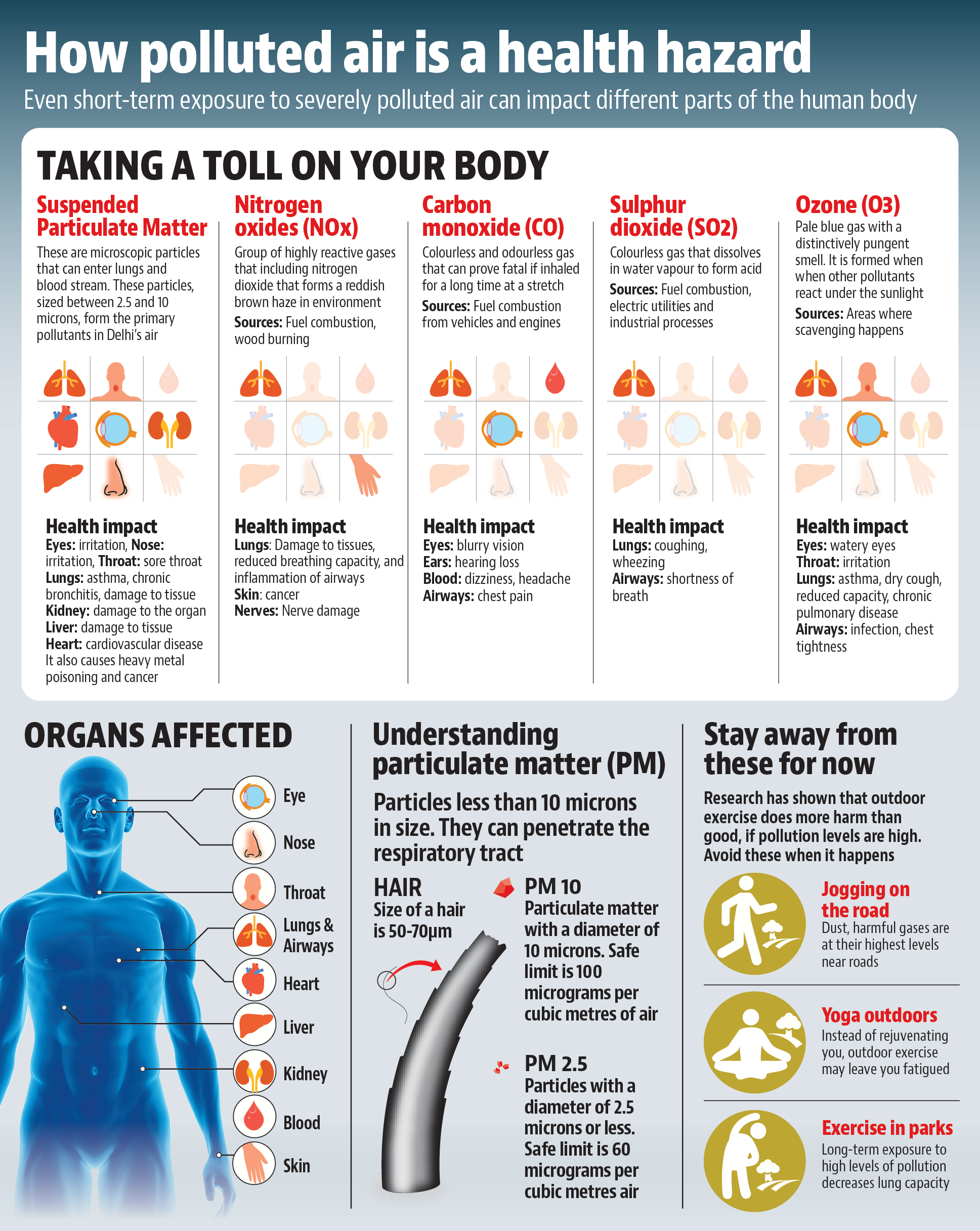
The respiratory system comprises nose, throat, respiratory tubes and the lungs. PM 2.5 and PM 10 is considered dangerous because these are of respirable size, and can travel down to the lowest part of the lung where gas exchange takes place.


Severe levels of pollution pose a health risk to not only those who have respiratory diseases or compromised immunity but also healthy people, experts said, adding that breathing in heavily polluted air for a prolonged period adversely affects not just the lungs but also other vital organs in the body.
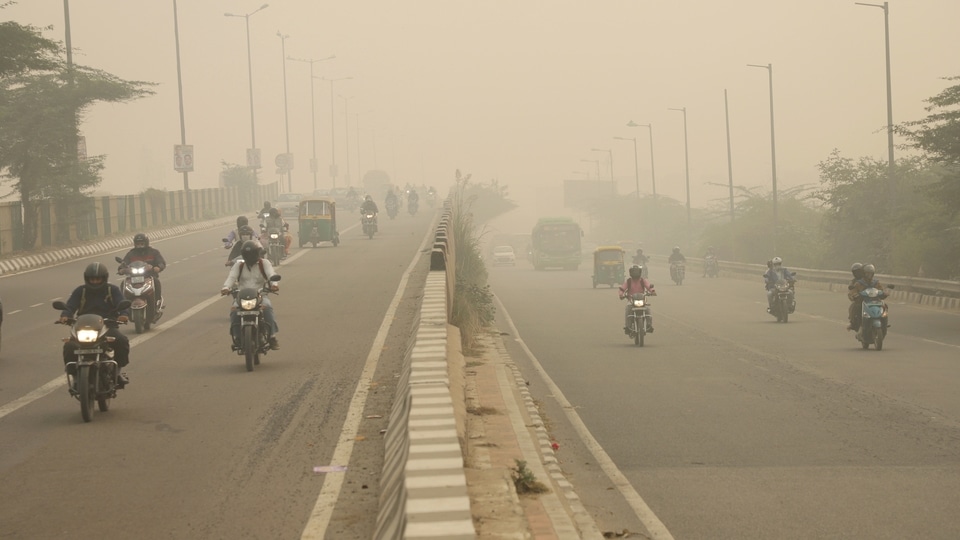
Air pollution was the top risk factor for death in India in 2019, killing an estimated 1.67 million people, according to the Global Burden of Disease report.
Delhi on Friday reported an average Air Quality Index of 471 -- the highest reported so far this year, as a toxic haze hung over the city. Individual air quality monitoring stations reported much higher AQI with Mandir Marg at 494, Chandni Chowk (491), ITO (490) and Jawaharlal Nehru Stadium and Patparganj at 486.
Here is how, the polluted air affects some vital organs of the human body.
Chokes lungs
The respiratory system comprises nose, throat, respiratory tubes and the lungs. PM 2.5 and PM 10 is considered dangerous because these are of respirable size, and can travel down to the lowest part of the lung where gas exchange takes place.
“When we say PM 2.5 or 10, it’s just the particle size that we are talking and the kind of damage depends on the source of that particle such as firecrackers, fuel combustion, stubble burning, etc. The particulate matter formed due to diesel or kerosene burning can even cause lung cancer,” says Dr GC Khilnani, former head of pulmonology department, AIIMS, Delhi.
The damage starts with inflammation of the airway, and finer the particulate matter, the deeper it penetrates. “What nobody talks much about and do the maximum damage are ultrafine particles of 0.1 micron or less. These penetrate the lung and reach the blood stream, and once in blood these can reach anywhere — the brain, the heart, kidneys etc. Even perfectly healthy persons can experience short-term symptoms such as breathing issues, sore throat or red eyes,” Dr Khilnani said.
Harms the heart
Breathing in heavily polluted air can cause irreversible damage to the cardiac arteries.
“When the fine particles that lungs aren’t able to filter reach the blood stream, they get attached to the walls of the arteries. Over a period, it could lead to the formation of clots and may cause blockage. There’s sudden narrowing of the blood vessels that eventually can lead to a heart attack,” said Dr Upendra Kaul, chairman, cardiology, Batra Hospital & Medical Research Centre.
Respiratory diseases such as chronic bronchitis can also cause damage to the heart, he added.
Impacts the brain
When heart malfunctions, it automatically also affects the brain functioning by restricting the flow of blood or oxygen flow, said Dr Deepak Aggarwal, professor, neurosurgery, AIIMS. “Also, inhaling pollutants emits certain chemical responses within the body that can also cause stroke over a period of time,” he said.
Since pollutants affect a person’s immunity, it can also cause autoimmune disorders. “Exposure to pollutants can also lead to a condition called vasculitis, meaning inflammation of blood vessels that leads to narrowing of the vessels. This may cause stroke,” he added.
Children vulnerable
Young lungs are vulnerable as they breathe in twice the rate than adults, which makes them inhale larger amounts of harmful pollutants, doctors said.
“Though it is not practical to ask kids to stay indoors, we should ensure they avoid outdoor activities during early mornings and evenings when pollution is at its worse,” Dr JS Bhasin, head of paediatric department, BLK Super Speciality Hospital

Stay updated with all top Cities including, Bengaluru, Delhi, Mumbai and more across India. Stay informed on the latest happenings in World News along with Delhi Election 2025 and Delhi Election Result 2025 Live, New Delhi Election Result Live, Kalkaji Election Result Live at Hindustan Times.


