
 E-Paper



CAQM vehicular pollution panel holds first meeting
Officials present at the meeting said it was largely exploratory in nature, aimed at setting the agenda for more focused, solution-oriented deliberations in the weeks ahead.

 Prefer HTon Google


An expert panel constituted by the Commission for Air Quality Management (CAQM) to frame a long-term roadmap for curbing vehicular pollution in Delhi-NCR held its first-ever meeting on Monday, with members holding wide-ranging discussions on how different vehicle segments contribute to pollution, who is most exposed to emissions, and whether the region is prepared for a large-scale transition to electric mobility, officials aware of the matter said on Monday.
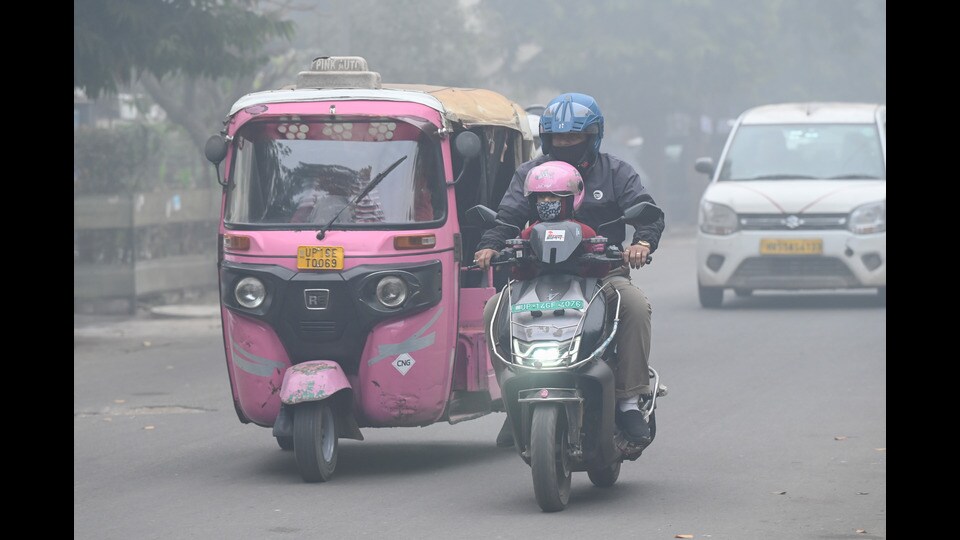
Officials present at the meeting said it was largely exploratory in nature, aimed at setting the agenda for more focused, solution-oriented deliberations in the weeks ahead. The next meeting of the panel has been scheduled for December 18, and members have been asked to submit detailed suggestions and practical recommendations before then, the people cited above said.
The expert committee was constituted on December 12 amid sustained concern over the role of transport emissions in Delhi’s air quality crisis.
“The first meeting of the expert committee … was held today under the chairmanship of prof Ashok Jhunjhunwala and co-chaired by Dr (Prof) Randeep Guleria. The meeting focused on broad discussions on key issues related to vehicular emission sources in Delhi-NCR,” CAQM said in a statement on Monday.
According to officials, Monday’s meeting sought to identify key problem areas that require deeper analysis before concrete policy proposals are finalised.
Among the issues deliberated were assessments of segment-wise vehicular emission contributions, exposure risks for different population groups, the current level of readiness for electric vehicles, and gaps in charging and supporting infrastructure. Officials said members also discussed whether existing data sufficiently captures the real-world pollution load from older and high-usage vehicles, including commercial fleets.
Vehicular emissions remain a major and consistent contributor to Delhi’s pollution, unlike seasonal sources such as stubble burning. Emission inventory studies over the past decade highlight the scale of the challenge. A 2015 IIT-Kanpur study estimated that the transport sector contributed around 20% of year-old PM2.5 pollution in the Capital, while later studies by TERI-ARAI and SAFAR in 2018 placed the contribution much higher, at 39% and 41%, respectively.
Officials said the committee will now work towards translating these broad discussions into firm policy recommendations. “The committee will place concrete, actionable recommendations for reducing vehicular emissions in the forthcoming meetings,” CAQM said.
The panel comprises experts and officials from Niti Aayog, IIT-Delhi, IIT-Kanpur, the Centre for Science and Environment, the International Council on Clean Transportation, the ministry of road transport and highways, TERI and CAQM.
Recently, CAQM approached the Supreme Court seeking a review of its August 12 direction that barred coercive action against owners of 10-year-old diesel and 15-year-old petrol vehicles in Delhi, arguing that relief should not extend to BS-III and older vehicles, which continue to contribute disproportionately to emissions.

Stay updated with all top Cities including, Bengaluru, Delhi, Mumbai and more across India. Stay informed on the latest happenings in World News along with Delhi Election 2025 and Delhi Election Result 2025 Live, New Delhi Election Result Live, Kalkaji Election Result Live at Hindustan Times.


