
 E-Paper



Delhi: Annual household limit for ration card eligibility raised to ₹1.20L
According to officials, under the new rules, an income certificate issued by the revenue department will be mandatory for applicants, replacing the earlier system of self-certification.

 Prefer HTon Google


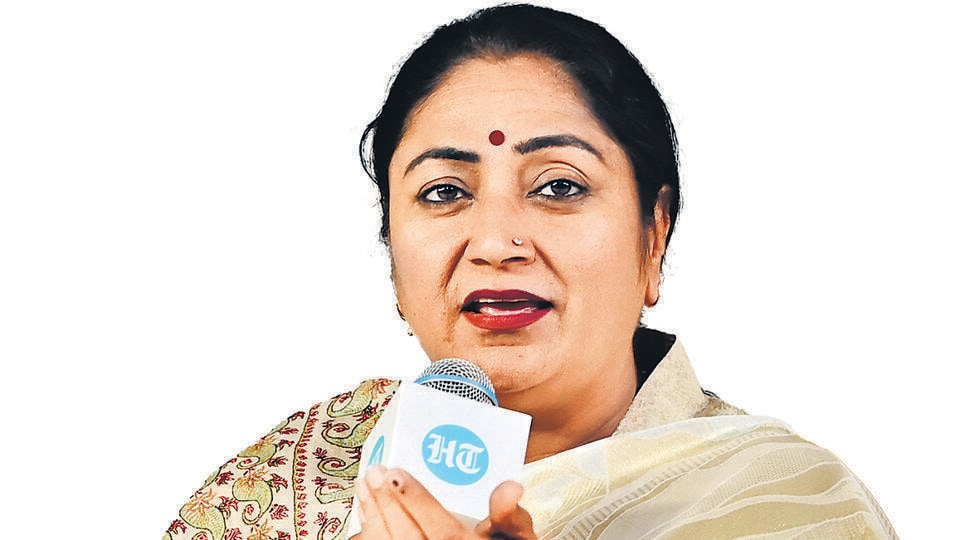
The Delhi government has raised the annual household income limit for ration card eligibility to ₹1.20 lakh from the earlier ₹1 lakh, a move aimed at expanding food security coverage and addressing a large backlog of pending applications, said chief minister Rekha Gupta on Saturday.
The decision, taken at a recent cabinet meeting, forms part of the new food security rules being implemented in the Capital. Officials said the revised framework, applicable starting now, seeks to introduce clearer eligibility criteria, strengthen verification processes and improve transparency in the public distribution system.
According to officials, under the new rules, an income certificate issued by the revenue department will be mandatory for applicants, replacing the earlier system of self-certification. Households will be ineligible if they own a property in A to E category colonies in Delhi, pay income tax, own a four-wheeler other than a single commercial vehicle used for livelihood, have a family member in government service or possess an electricity connection exceeding 2 kilowatts.
The government has also discontinued the existing first-come, first-served model for processing applications. “Now, district-level committees will examine and prioritise applications. These committees will be chaired by the district magistrate or additional district magistrate, including the local MLA and concerned officials. A 20% waiting list will also be prepared to fill vacancies as they arise,” said Gupta.
Officials said a data review conducted last monthrevealed significant irregularities in the existing beneficiary list. Around 646,000 beneficiaries were found to have income details not matching prescribed norms. Over 95,000 individuals had remained listed without availing benefits for extended periods. More than 23,000 duplicate entries and over 6,000 cases involving deceased beneficiaries were identified. Additionally, about 56,000 individuals had voluntarily opted out. These factors resulted in the creation of over 827,000 vacancies.
The review also found that more than 389,000 applications remain pending, while over 1,165,000 individuals are awaiting food security benefits. The newly created vacancies will be filled using the revised prioritisation process, officials said.
The government stated that the reforms are aligned with the implementation of the National Food Security Act, 2013, and aim to develop a technology-driven and transparent distribution system.


Stay updated with all top Cities including, Bengaluru, Delhi, Mumbai and more across India. Stay informed on the latest happenings in World News along with Delhi Election 2025 and Delhi Election Result 2025 Live, New Delhi Election Result Live, Kalkaji Election Result Live at Hindustan Times.


