
 E-Paper



Delhi govt will bring in policy to convert leasehold industrial plots to freehold
The policy covers around 21,759 industrial plots originally allotted by the Delhi State Industrial and Infrastructure Development Corporation (DSIIDC) as part of a relocation exercise that shifted industrial units from residential (non-conforming) areas to authorised industrial zones

 Prefer HTon Google


The Delhi government is set to introduce a new conversion policy that will allow industrial plots allotted under a 1996 relocation scheme on a leasehold basis to become freehold, enabling individuals to sell them, industries minister Manjinder Singh Sirsa said on Tuesday. The policy, now in its final stages, will be enforced soon, he added.
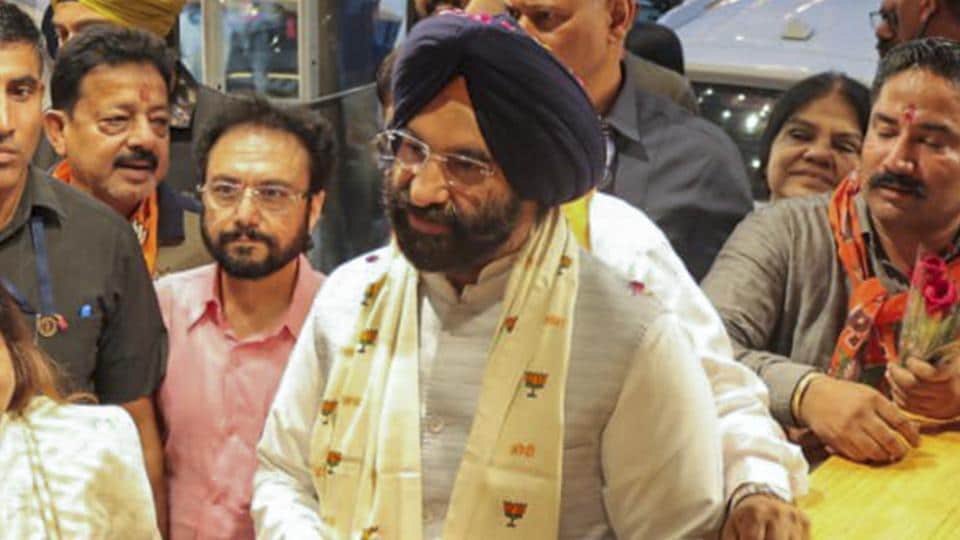
The policy covers around 21,759 industrial plots originally allotted by the Delhi State Industrial and Infrastructure Development Corporation (DSIIDC) as part of a relocation exercise that shifted industrial units from residential (non-conforming) areas to authorised industrial zones. While leasehold allotments allowed individuals to operate units, they could not sell the plots. Sirsa said the new conversion policy will permit leasehold plots to be converted to freehold, subject to certain criteria, giving owners greater flexibility and the ability to derive value from their property.
“This policy will give industries greater flexibility and ownership rights while ensuring compliance with all conditions of the relocation scheme,” Sirsa said, noting that a single-window system will soon be opened to accept applications for conversion.
Sirsa added that the framework was prepared following directions from the lieutenant governor VK Saxena, who had asked officials to ensure that the scheme remained comprehensive and consistent with the objectives of the relocation exercise. LG VK Saxena had cleared the scheme in March 2024.
Under the draft policy, conversion will be allowed only if the non-conforming unit in the city has been shut, a new industrial building has been constructed on the allotted plot, and all dues—including ground rent, service charges, and misuse penalties—have been cleared.
“The scheme further allows conversion even when the original allottee has transferred possession through registered power of attorney documents. Such conversions, however, will attract a 50% surcharge over and above the standard conversion fee. No remission on charges will be available to original allottees,” Sirsa said.
Delhi currently has 28 approved industrial areas, including Badli, Bawana, Friends Colony, Jhilmil, Kirti Nagar, Keshopur, Mayapuri, Mongolpuri, Mohan Co-operative, Moti Nagar, Narela, Wazirpur, Okhla, Naraina, and Tilak Nagar. The government is also working to convert another 26 non-conforming industrial areas into authorised spaces.
According to DSIIDC plans, conversion charges have been fixed at 10% of market rates for industrial areas. For example, in Patparganj, Badli, Jhilmil, Narela, and Bawana, the market rate for 2024-25 has been set at ₹1,00,086 per square metre (sqm), translating into a conversion charge of ₹10,008 per sqm. An original allottee of a 100 sqm plot would pay roughly ₹10 lakh, while a subsequent buyer would pay 50% more, or around ₹15 lakh, officials said.
Sirsa said the government anticipates a large number of applications and plans to organise special camps, with DSIIDC developing dedicated software for online submissions. “An information brochure with details of the procedure, forms, affidavits, and indemnity bond formats will be published once the scheme gets final approval,” he said, adding that the initiative will streamline industrial property ownership and reduce legal disputes.
“The aim is to make the system transparent, simple, and fully digital so that industries can focus on growth rather than paperwork,” he added.

Stay updated with all top Cities including, Bengaluru, Delhi, Mumbai and more across India. Stay informed on the latest happenings in World News along with Delhi Election 2025 and Delhi Election Result 2025 Live, New Delhi Election Result Live, Kalkaji Election Result Live at Hindustan Times.


