
 E-Paper



Delhi set for new EV policy; draft focuses on battery recycling, last-mile connectivity
Transport dept emphasised that the city would need a comprehensive chain of recycling facilities as more people continue to switch to EVs

 Prefer HTon Google


New Delhi
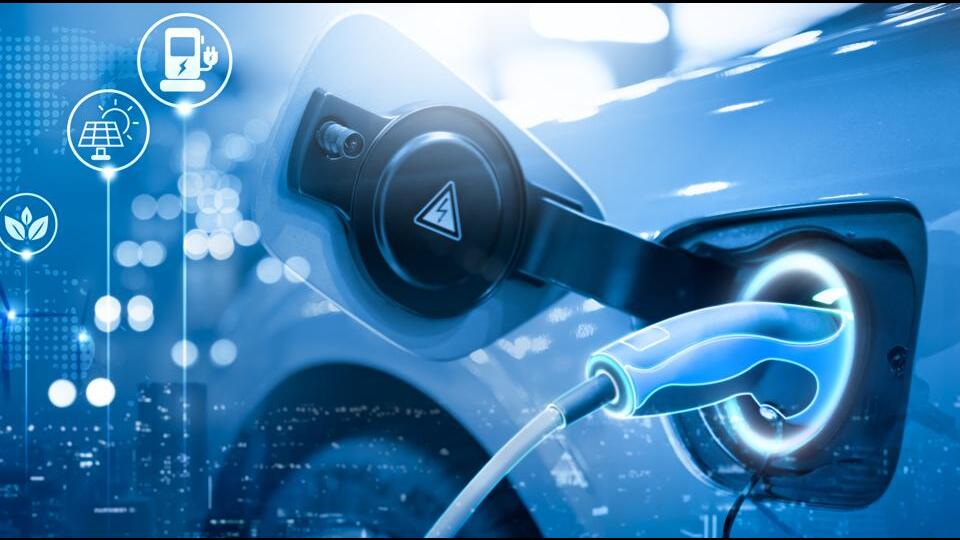
The Delhi transport department has finalised a fresh draft of the city’s Electric Vehicle (EV) policy, placing a sharper emphasis on battery recycling, large-scale expansion of charging infrastructure and expanding last-mile connectivity options beyond e-rickshaws. Senior officials said the draft will be sent to the minister in charge and then the chief minister for final approval.
Officials aware of the matter said that the EV policy currently in effect does not have a detailed framework for battery recycling and its scientific disposal.
“An EV battery has an average life of eight years after which it needs to be replaced. It is a big question as to what will happen to old lithium-ion batteries and a detailed plan will be drafted regarding handling and disposal,” a transport department official, requesting anonymity, said.
The official emphasised that the city would need a comprehensive chain of recycling facilities as more people continue to switch to EVs.
Delhi’s EV Policy 2020 expired in August 2023 after its three-year term and has since been extended, while the government works on a fresh policy. The policy is currently in effect till March 2026.
A new draft was prepared earlier this year, but the cabinet decided to revise it further, directing the transport department to rework key provisions and add missing components. Once approved by the CM, the policy will be opened for public feedback before being notified.
Urban development minister Ashish Sood, who is heading the group of ministers (GOM) responsible for the EV policy, chaired a meeting last week to discuss the new draft. He said that consultation will now be done with stakeholders and experts to get their perspective on the new policy draft.
“We are looking at many aspects that have been neglected till now. We have to ensure that there is necessary power infrastructure and battery recycling infrastructure. The policy should also be financially prudent while ensuring that Delhi rapidly moves towards adopting cleaner EVs that also reduce pollution concerns. It will be a balanced policy, aimed at making Delhi the EV capital of the world,” said Sood.
The transport department has also set a target of facilitating 5,000 public charging stations, each with a minimum of four to five charging points, by 2030. Officials said that such a scale-up is crucial to support the rising number of EVs and bridge the gaps left by the previous government’s efforts.
“The previous government had identified 200 charging sites, of which 100 were tendered and installation was completed at 75. However, we need to re-look how many of these are still functional. Even if these are working, we need many more stations to increase overall uptake. Charging stations in residential areas also need to be increased,” the official said.
To support this expansion, the department will coordinate closely with power discoms to ensure adequate capacity and seamless integration of new charging points with the grid. “Charging infrastructure cannot grow without parallel upgrades in power supply. That will be a key interdepartmental focus,” a second official said.
Another major proposal in the draft is the introduction of new EV-based public transport options for last-mile connectivity, particularly in the city’s narrower lanes where buses cannot operate. Officials said the government is exploring a Gramin Sewa–like model, using small EV vans that can seat a driver and seven passengers. This, however, will require changes to the commercial vehicle permit norms.
“These can serve interior neighbourhoods where only informal modes operate. But the permits will need to be modified before such services are allowed,” the second official said.
The draft also attempts to address the long-standing issue of unregulated e-rickshaw operations across Delhi. “E-rickshaws across the city are highly unregulated. We may also look at mandating routes and rationalising their numbers on a demand basis,” the second official said.
To streamline subsidy payments and create a stable financing framework, the department has proposed a dedicated EV Fund. While subsidies will continue, though with slightly reduced emphasis, officials said data suggests that most personal and commercial buyers who choose EVs now do so regardless of subsidy support.
“Subsidies remain part of the policy but the focus is reduced as buyers are no longer dependent on them,” the second official said.


Stay updated with all top Cities including, Bengaluru, Delhi, Mumbai and more across India. Stay informed on the latest happenings in World News along with Delhi Election 2025 and Delhi Election Result 2025 Live, New Delhi Election Result Live, Kalkaji Election Result Live at Hindustan Times.


