
 E-Paper



Delhi to get power cut monitoring system, demand may hit 8,000MW
According to Economic Survey 2021-22, load shedding in Delhi has dropped to its lowest level in the last two decades at 0.019% of total consumption.


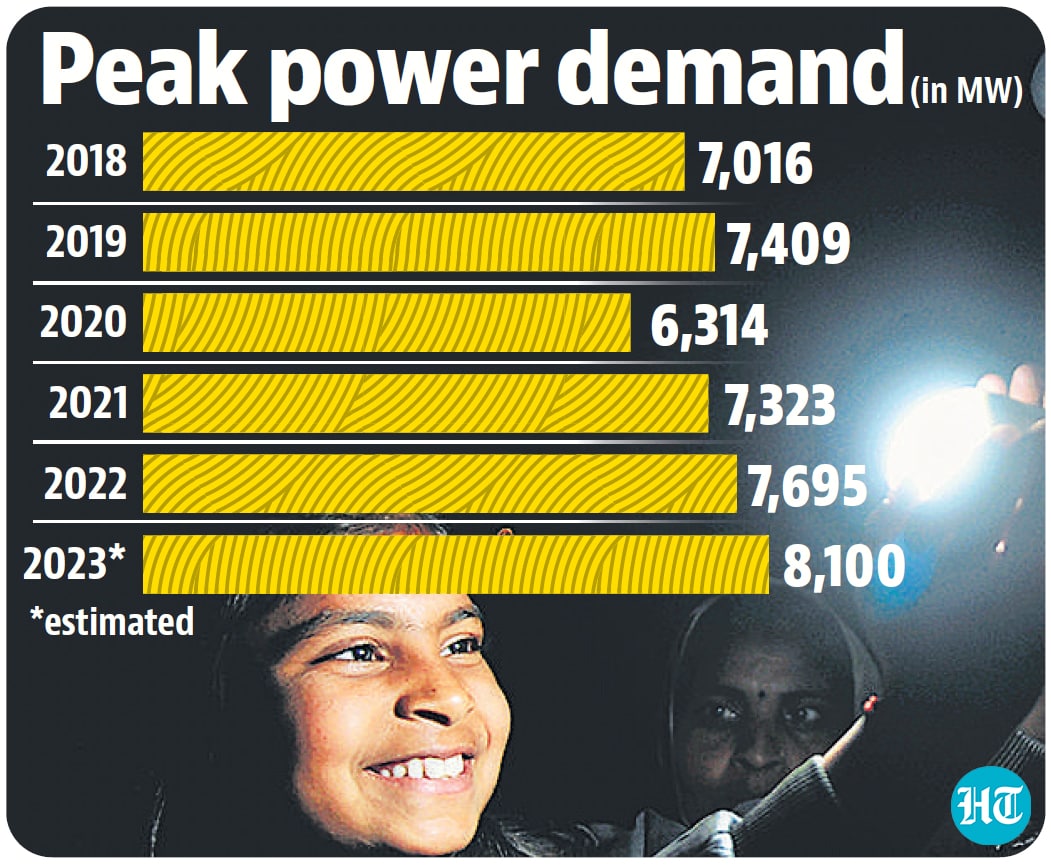
The Delhi government plans to create a unified state-level dashboard under the supervision of the power department to monitor power cuts in the summer for a faster response time, officials said on Tuesday, adding the government has estimated a peak power demand of around 8,000 mega watts (MW) this year. In 2022, the peak power demand was 7,695MW, the highest ever.
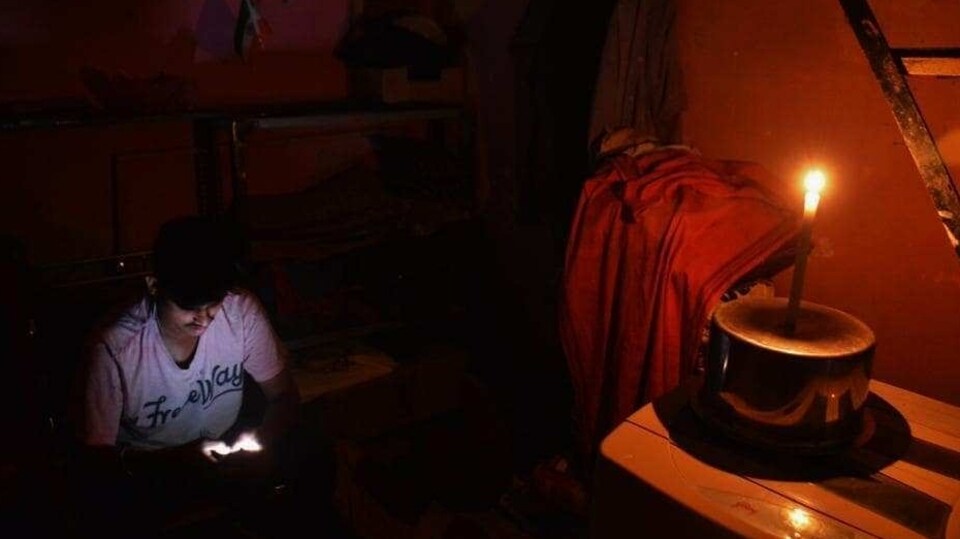
According to Economic Survey 2021-22, load shedding in Delhi has dropped to its lowest level in the last two decades at 0.019% of total consumption. Data on the highest load shedding was not immediately available. According to officials, load shedding is a way to reduce stress when the power demand is high and supply is not sufficient to meet demand. It is done to avoid grid failure, said an official, adding that now, power cuts in the Capital are largely due to local factors such as issues related to transformers, feeder lines, and local distribution networks, and are taken care of by the respective discoms.
“The Delhi government is providing 24-hour power supply. Power cuts in the Capital are rare. They are monitored by discoms as well, but the Delhi government wants to establish a state-level dashboard to monitor and fix them in real-time. The state-level dashboard will be created soon,” Delhi power minister Atishi said on Tuesday.
Atishi also reviewed the government’s summer action plan with power department and discoms officials to ensure uninterrupted supply during the peak season. “ Like every year, we will follow the ‘zero power cut policy’ this year,” she said.
The minister asked officials to tie up with power companies and ensure maintenance and upgradation of power substations and power lines, as well as additional power .
A power department official said discoms have taken up network strengthening activities, maintenance of all critical electrical installations, tripping mitigation measures, such as maintenance of critical facilities and equipment, and teams are ready to attend to breakdowns, and other requirements.
According to data from the state load dispatch centre, Delhi clocked a record power demand of 7,695MW in 2022, and the officials expect the Capital’s peak power demand during summer in 2023 to cross 8,000MW for the first time, and even hit 8,100 MW.
Officials said the power demand was forecast using advanced load-forecasting statistical and modelling techniques, which use artificial intelligence and machine learning to help discoms accurately forecast the demand.
In 2021, Delhi’s peak power demand was 7,323MW, in 2020 it was 6,314MW, and it touched 7,409MW in 2019.
To be sure, the number of electricity consumers in Delhi has grown by 82.97% during the decade (2011-2021).
Peak power demand in south and west Delhi clocked 3,389MW and 3,118MW during the summers of 2022 and 2021 is expected to reach around 3,570MW during the summer of 2023. In east and central Delhi, the peak power demand, which was 1,752MW and 1,656MW during the summers of 2022 and 2021 respectively, is expected to touch around 1,880MW this year.
An official said the discoms are geared up to ensure power supply to meet the demand. “The arrangements to meet the power demand, include long-term power purchase agreements and banking arrangements with other states including Tamil Nadu, Kerala, Meghalaya, Himachal Pradesh, and Uttarakhand,” the official said, asking not to be named.
The official said green power will play an important role in ensuring reliable power during the summer months in BSES areas. “This includes around 888MW of solar power from SECI, 486MW of wind power, 40MW energy generated from waste. BSES efforts in ensuring reliable power are also being helped by over 130MW of rooftop solar panels in south, west, east and central Delhi,” a BSES official said.
Three discoms supply electricity to a majority of areas in the Capital. The BSES discoms — BRPL and BYPL — supply power in south, west, east and central parts of the Capital , while Tata Power Delhi Distribution Limited supplies power in north Delhi. In Lutyens’ Delhi the power is supplied by New Delhi municipal council.
Delhi mostly purchases power from at least 40 power plants spread across the country, including Uttar Pradesh, Haryana, Himachal Pradesh and southern states, because it does not have own power sources.
Stay updated with all top Cities including, Bengaluru, Delhi, Mumbai and more across India. Stay informed on the latest happenings in World News along with Delhi Election 2025 and Delhi Election Result 2025 Live, New Delhi Election Result Live, Kalkaji Election Result Live at Hindustan Times.


