
 E-Paper



Delhi to monitor construction pollution using AI, dust sensors
Construction sites measuring 500 square yards or more across Delhi will now be monitored using artificial intelligence, live cameras and pollution sensors as part of an upgraded digital system aimed at tracking dust-control violations in real time and automating enforcement, chief minister Rekha Gupta said on Monday

 Prefer HTon Google


Construction sites measuring 500 square yards or more across Delhi will now be monitored using artificial intelligence, live cameras and pollution sensors as part of an upgraded digital system aimed at tracking dust-control violations in real time and automating enforcement, chief minister Rekha Gupta said on Monday.
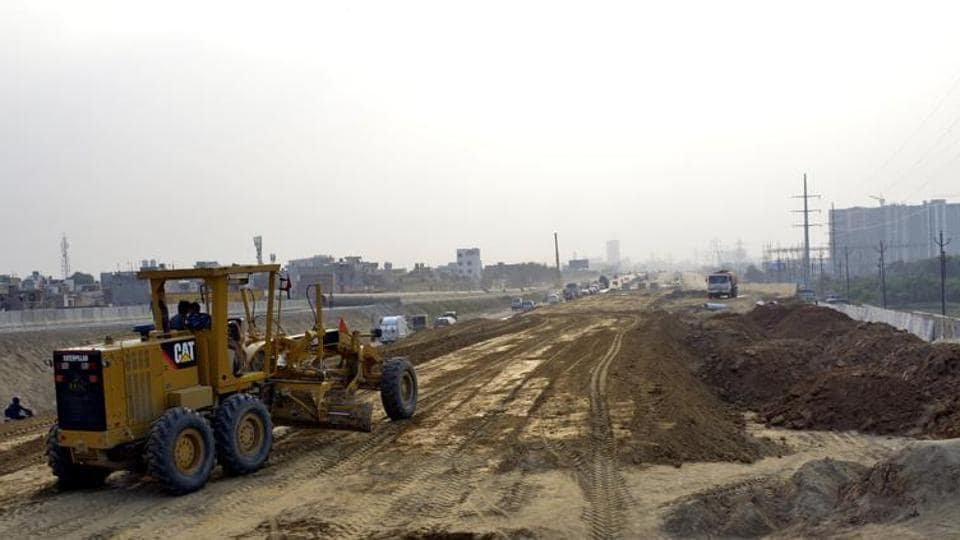
Gupta launched the upgraded Dust Portal 2.0, developed by the Delhi Pollution Control Committee (DPCC), which will use AI, GIS mapping, live 360-degree pan-tilt-zoom (PTZ) cameras, PM10 and PM2.5 sensors, and real-time analytics to monitor dust-control measures at construction sites. The platform will also allow project proponents to carry out self-assessments, while enabling authorities to track compliance through a single digital system.
Launching the portal, Gupta said the government was combining technology with environmental governance to improve compliance and transparency.
“Delhi’s fight against air pollution will not rely only on stricter regulations but also on modern and smart administrative systems. We are using AI and digital technology to simplify compliance, make monitoring more effective and enforcement more transparent,” the CM said.
Officials said the portal will map construction sites and use AI to assess five key dust-control parameters. It will identify the air quality monitoring station nearest to each registered construction site, analyse pollution data, and automatically generate yellow, orange or red alerts if pollution levels rise. The system will also issue compliance certificates and enforcement notices digitally, reducing paperwork and enabling faster action against violations.
Gupta said the government was also working to make the fine process fully digital, allowing notices and penalties to be issued directly through the portal. She said technology-driven initiatives that improve accountability and public participation would help the city move towards cleaner air.
According to government data, dust from roads, soil and construction activities contributes around 27% of Delhi’s air pollution during summer and about 15% during winter. Dust is also estimated to account for nearly 66% of PM10 emissions and about 38% of PM2.5 emissions in the city.
Officials said Dust Portal 2.0 will serve as a unified platform to monitor all registered construction sites in Delhi. It will integrate details of ongoing and completed projects, audit reports, sensor readings and compliance records, allowing authorities to track construction activity and identify pollution hotspots through district-wise dashboards and trend analysis.
The platform is also available as Android and iOS applications, enabling DPCC officials, urban local bodies and project proponents to remotely monitor compliance through live camera feeds, sensor data and AI-generated analysis.
Environment minister Manjinder Singh Sirsa said the system would enable real-time monitoring of construction sites, generate immediate alerts in case of violations and help authorities take action against repeat offenders.
“For the first time, construction sites of 500 square yards and above will be monitored through AI. The system will enable real-time monitoring, generate immediate alerts in case of violations and ensure strict action against repeat offenders, making the entire process more transparent and accountable,” Sirsa said.
He said the portal had been under development for the past year and would complement the government’s broader air pollution mitigation measures, including the implementation of the new EV policy, expansion of public transport and a plantation drive targeting 7 million saplings.
Officials said the upgraded portal is expected to strengthen enforcement of dust-control norms by replacing largely manual inspections with technology-based monitoring and automated compliance systems.


Stay updated with all top Cities including, Bengaluru, Delhi, Mumbai and more across India. Stay informed on the latest happenings in World News along with Delhi Election 2025 and Delhi Election Result 2025 Live, New Delhi Election Result Live, Kalkaji Election Result Live at Hindustan Times.


