
 E-Paper



Delhi zoo: Report links antelope deaths to rat poison
The report, dated December 18, a copy of which HT has seen, said the samples sent to IVRI tested negative for all other common pesticides.

 Prefer HTon Google


New Delhi: Weeks after two chousingha (four-horned antelopes) died at the Delhi zoo, a toxicology report from the Indian Veterinary Research Institute (IVRI) found the presence of phosphines in the animals’ rumen and intestines, possibly due to exposure to rodenticides (aluminium or zinc phosphide).
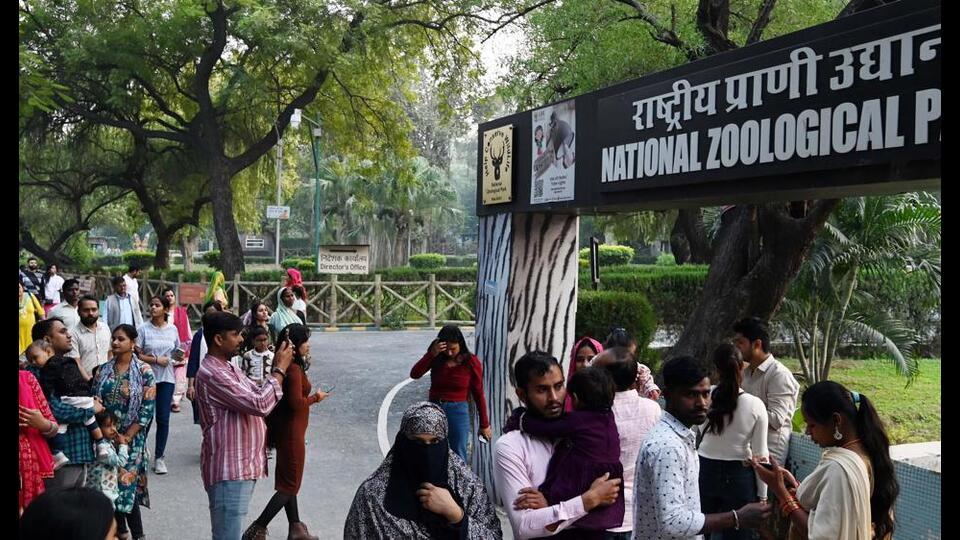
Officials said the death is likely due to the presence of rodenticides.
The report, dated December 18, a copy of which HT has seen, said the samples sent to IVRI tested negative for all other common pesticides. “The samples of rumen and intestinal content were positive for the presence of phosphine and negative for HCN, nitrate-nitrite, heavy metals and commonly used pesticides. The presence of phosphine indicates exposure of animals to rodenticides,” said the report.
IVRI also tested feed samples of the animals and found no insecticides.
Metal phosphides, such as aluminum or zinc phosphide (common ingredients in rat poison), react with moisture and stomach acid to release phosphine gas which is highly toxic for animals.
“This is likely the reason behind the sudden deaths. The initial post-mortem could not determine the sudden cause of death,” a zoo official said.
Delhi zoo director Sanjeet Kumar did not comment on the report or respond to HT’s queries on the same.
HT reported on December 16 about the death of two chousingha on December 11 and 12, with foam found near their mouths.
HT has also seen an internal zoo document, which confirms on December 2, rodenticides including aluminium phosphide (56% concentration) and zinc phosphide (80% concentration) were used for rat control on the premises.
A zoo official confirmed the same, adding tablets were used for rodent control. “The animals may have ingested these,” official added.
The four-horned antelope is protected under Schedule I of the Indian Wildlife Protection Act (amended), 2022 and is native to central, south and western India, along with a small population in Nepal.
Established in 1959, the zoo houses 96 different species of animals, birds, and reptiles and is spread across an area of 176 acres.


Stay updated with all top Cities including, Bengaluru, Delhi, Mumbai and more across India. Stay informed on the latest happenings in World News along with Delhi Election 2025 and Delhi Election Result 2025 Live, New Delhi Election Result Live, Kalkaji Election Result Live at Hindustan Times.


