E-Paper



Govt forms 11-member council to protect city’s biodiversity, plan for its future
The council will function as an autonomous unit under the forest and wildlife department of Delhi and receive separate funds. It will hold its first meeting on Friday

 Prefer HTon Google


The Delhi government has created an 11-member Delhi Biodiversity Council to protect existing biodiversity parks and oversee the creation of more such facilities in the future in the Capital.
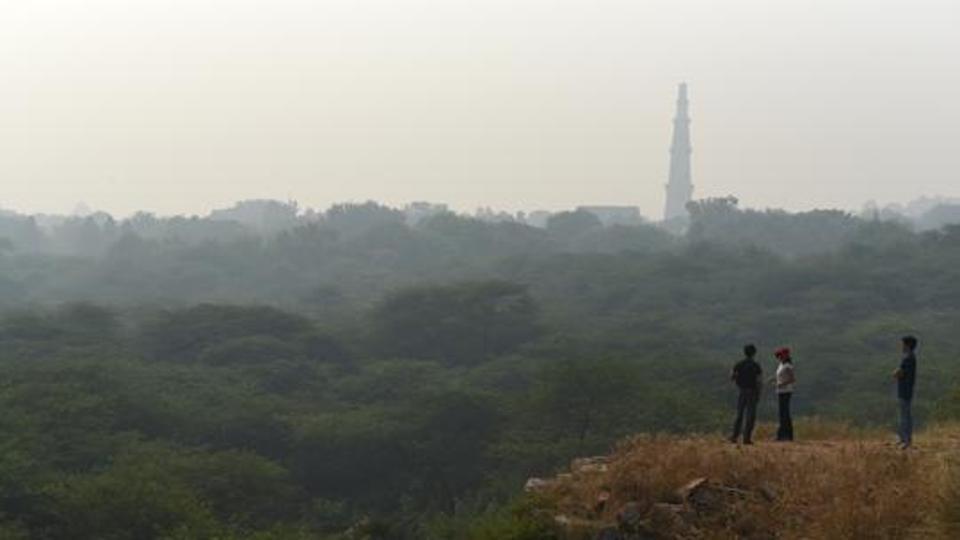
Created after the National Biodiversity Authority (NBA) issued directions to have one such body in each state and Union Territory across the country, the council will function as an autonomous unit under the forest and wildlife department of Delhi and receive separate funds. It will hold its first meeting on Friday.
As per the gazette notification, the council, headed by Delhi University professor CR Babu as its chairperson, has Delhi’s chief wildlife warden as its member secretary and includes the principal chief conservator of forest, the Delhi development commissioner, the principal secretary (environment and forest) and the principal secretary (urban development) among its five ex-officio members. The body also has four expert members -- Indraprastha University professor Sumit Dookia; Vijay Dhasmana, curator at the Aravalli Biodiversity Park in Gurugram; and INTACH’s Dr Ritu Singh and Manu Bhatnagar -- each of who will have a term of three years.
“Our long-term goal is to preserve Delhi’s existing biodiversity and to rejuvenate areas which are now suffering due to the urban stress. With the funds allocated, different sections such as waterbodies, forests and the floodplains can receive individual attention,” said Babu.
Nisheeth Saxena, member secretary of the council, said the chairman of the NBA will attend the first council meeting on Friday. “The NBA will guide us in the first meeting, and plans for the year 2022 will also be decided,” he said.
Dookia said the council can carry out different types of census for animals and birds once funds are allocated. “Once the first meeting is held, the agenda for the year will become clearer,” he said.