
 E-Paper



Lead above safe limit in vegetables grown on Delhi floodplains: Study
While the levels of all other metals were within FSSAI’s prescribed limits, lead exceeded the permissible limit in seven vegetables.

 Prefer HTon Google


Vegetables grown on the Yamuna floodplains in Delhi contain lead levels ranging from 2.55 mg/kg to 10.27 mg/kg, exceeding the Food Safety and Standards Authority of India (FSSAI) permissible limit of 2.5 mg/kg, according to a study by researchers from the Council of Scientific and Industrial Research (CSIR).
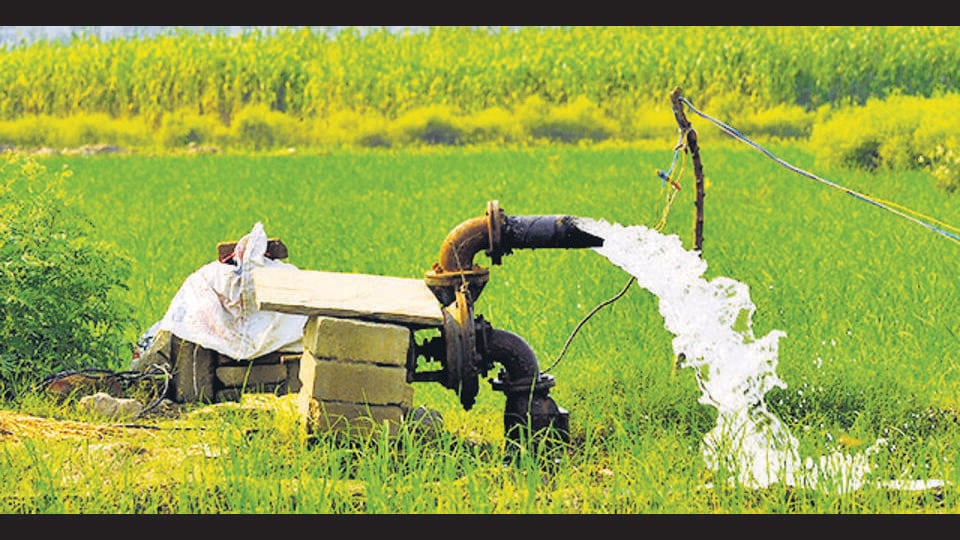
The study, published in July in the Journal of the Indian Association for Environmental Management, was conducted by researchers from CSIR and the CSIR-National Environmental Engineering Research Institute (NEERI). It assessed heavy metal contamination in vegetables grown on the Yamuna floodplains and the potential health risks associated with consuming them.
Researchers analysed soil and plant samples from four farming locations—Dashera, Usmanpur Khadar, Geeta Colony and Mayur Vihar Phase-I. The study examined seven commonly grown vegetables—cabbage, radish, coriander, spinach, cauliflower, brinjal and fenugreek—for chromium, iron, copper, zinc, cadmium, lead, cobalt, manganese, nickel and mercury. The published report does not specify when the samples were collected.
Also Read | Heavy rains slash MMR vegetable prices by up to 35%
The researchers found that iron was present in the highest concentrations, particularly in leafy vegetables. While the levels of all other metals were within FSSAI’s prescribed limits, lead exceeded the permissible limit in all seven vegetables.
The researchers also calculated the Health Risk Index (HRI), which estimates the health risk associated with consuming contaminated food based on typical dietary intake. Although lead levels in all seven vegetables exceeded the FSSAI limit, the estimated health risk remained below the accepted safety threshold of 1 for all vegetables except spinach and brinjal. The HRI for lead was 1.09 for spinach and 1.01 for brinjal, indicating that regular consumption of these two vegetables could pose a health concern.
“Based on the study, it may be inferred that the accumulation of heavy metals in vegetables is unlikely to pose any adverse health effect as the HRI was less than 1 except in the case of spinach and brinjal, which is a matter of concern and requires regular monitoring,” the study said.
Also Read | Waterlogging, clogged drains: Vegetable market a mess after rain in Ludhiana
The researchers also assessed the Metal Pollution Index (MPI), which measures the overall accumulation of heavy metals in vegetables. Citing earlier research, the study found that vegetables grown in Geeta Colony and Usmanpur recorded higher MPI values than those from Dashera and Mayur Vihar Phase-I.
It attributed this to the confluence of 10-12 drains carrying industrial and domestic wastewater into the Yamuna between the Wazirabad bridge and the ITO barrage. The study added that agricultural fields at Geeta Colony and Usmanpur are closer to the river than those at the other two locations.
Analysis of the agricultural soil showed that heavy metal concentrations were largely within prescribed limits. However, chromium exceeded the standard limit at Mayur Vihar Phase-I, while cadmium was above the permissible limit at all four locations.
The researchers said the contamination may be linked to multiple sources, including steel-processing and electroplating industries, emissions from highways and major roads, and the use of agrochemicals containing heavy metals. The study added that treated and untreated industrial effluents, as well as untreated sewage discharged into the Yamuna, contaminate floodplain soils through irrigation and flooding.
The researchers recommended that concerned regulatory authorities regularly monitor heavy metal concentrations in floodplain soil and vegetables grown along the Yamuna.


Stay updated with all top Cities including, Bengaluru, Delhi, Mumbai and more across India. Stay informed on the latest happenings in World News along with Delhi Election 2025 and Delhi Election Result 2025 Live, New Delhi Election Result Live, Kalkaji Election Result Live at Hindustan Times.


