
 E-Paper



Mental illness of rape accused can’t give immunity: Delhi HC
A district court had exonerated the man in 2017 after a medical board ‘found him to have the mind of a four-year old child’

 Prefer HTon Google


The Delhi high court has ordered a mentally ill person to face trial in a 2016 rape case, setting aside a city court’s decision to exonerate him, as it held that while the law shields such people from unwarranted criminal liability, it does not permit their “blind discharge” into society without proper assessment of the nature of their acts.
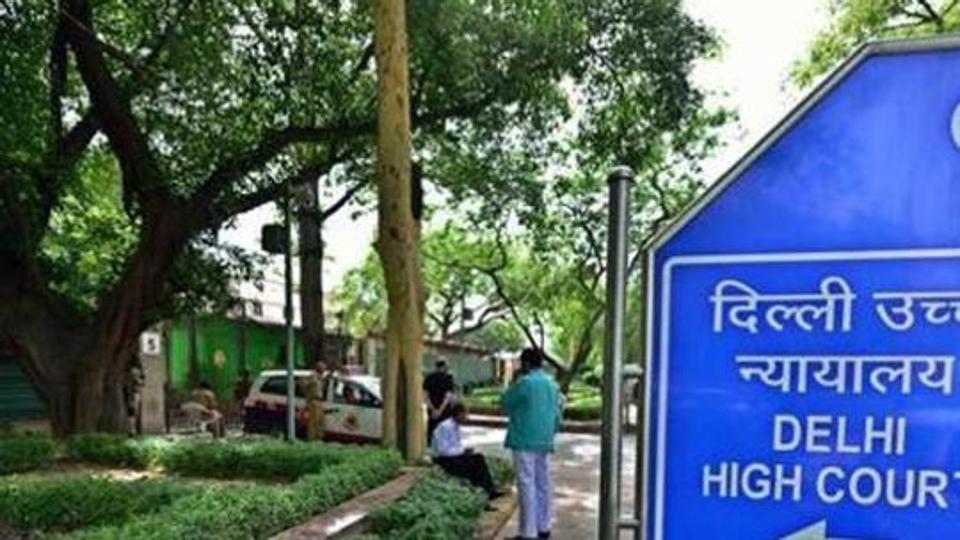
The ruling came on Delhi Police’s appeal challenging a district court’s April 2017 order to exonerate a rape-accused after a medical board “found him to have the mind of a four-year old child.”
He was let off on the ground that “he could neither understand the nature of act nor could defend himself.”
Reversing the decision, a bench of justice Swarana Kanta Sharma on Wednesday remanded the matter back to the trial court for fresh consideration, remarking that the same was in contravention of the law which mandates court to consider the nature of the act committed, assess the degree of the mental condition and the extent of unsoundness.
The law — Section 330 of the erstwhile Code of Criminal Procedure (now replaced with Section 369 of the Bharatiya Nagarik Suraksha Sanhita ) which deals with release of a person of unsound mind — mandates the court to discharge and release the accused after considering the medical or the specialist’s opinion, provided it is satisfied that the accused shall not do any injury to himself or to any other person.
“It must be remembered that while the law shields individuals with mental disabilities from unwarranted criminal liability, it does not – and cannot – permit a blind discharge of such individuals into society without a proper and informed judicial assessment,” she said in the order released recently.
The 28-page order said, “Persons suffering from mental retardation may not understand the illegality or consequences of their actions, but the risk of repeated harmful behaviour to the other members of the community remains very real.”
The police had approached the high court against the city court’s order discharging him for rape and aggravated penetrative sexual assault under Protection of Children from Sexual Offences Act, 2012. The police said that the order was passed solely based on an IQ Certificate, without conducting the mandatory inquiry into his mental status.
The high court held, “Sessions Court neither undertook any analysis of the nature of the alleged act committed by the accused nor assessed the degree and extent of his mental retardation to arrive at a reasoned conclusion as to whether he could be safely discharged. There is also no indication in the impugned order that the learned Sessions Court considered any medical or specialist opinion to satisfy itself that the accused would not pose a danger to himself or to others if released.”
Stay updated with all top Cities including, Bengaluru, Delhi, Mumbai and more across India. Stay informed on the latest happenings in World News along with Delhi Election 2025 and Delhi Election Result 2025 Live, New Delhi Election Result Live, Kalkaji Election Result Live at Hindustan Times.


