
 E-Paper



Pandemic hits conservation of key ASI monuments, Chandni Chowk revamp
Delhi has over 70 monuments under ASI, including the Red Fort, Humayun’s Tomb, Qutub Minar, and Purana Qila, among others


The restrictions due to Covid-19 since March 2020 and subsequent shortage of labour and delay in procuring construction material have hit the heritage conservation of key monuments and structures in the national Capital over the past year. Officials from the Archaeological Survey of India (ASI) said work on projects such as the conservation of Sher Shah Suri Gate, Sab Burz, and Tughlakabad Fort slowed down in the past year and the second wave of the Covid-19 in the country has again thrown a spanner in the works.
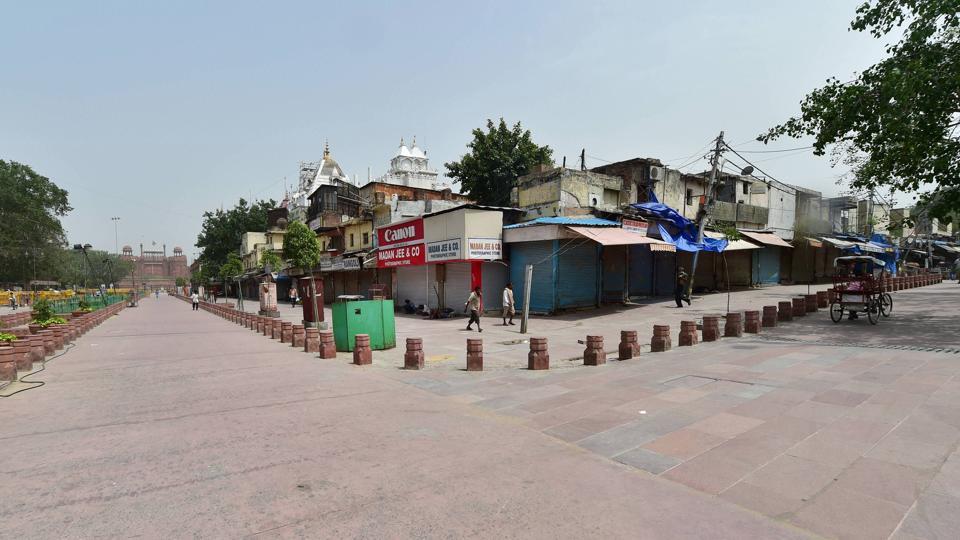
In the wake of rising Covid-19 cases, the ASI had announced the closure of all centrally protected monuments and museums on April 15.
Delhi has over 70 monuments under ASI, including the Red Fort, Humayun’s Tomb, Qutub Minar, and Purana Qila, among others. While the Red Fort had been closed to the public since January 26, when violence had broken out there during the farmers’ tractor rally, the other monuments had reopened in July last year following the nationwide lockdown announced in March 2020 and was again shut on April 15.
Also Read | Emergency vehicles to be allowed in revamped Chandni Chowk stretch: Jain
Subsequently, the Delhi government imposed a lockdown on April 20 to arrest the alarming rise in Covid-19 cases and deaths.
An ASI official, who did not wish to be named, said project completion deadlines of multiple heritage sites would have to be revised following the lockdown. Prior to the lockdown, conservation work was being carried out at Sher Shah Suri Gate and Sab Burz, among other places, he said.
“A part of the National Museum was to be shifted to the Red Fort but that now stands delayed. At the Tughlakabad Fort, we were carrying out repairs on the fort walls but that has now stopped. Tenders that we were supposed to float did not happen due to the lockdown. In other cases, tenders were passed but the work did not start,” said the official.
Anticipating a repetition of hardships that they had suffered last year, several migrant workers have left the city for their homes and villages in other states. Agencies fear that, unlike last time, it might take more time for work on pending projects to take off again since the virus has reached the rural areas.
The official said the shortage of labour and difficulty in acquiring construction material were two major reasons for work to slow down over the past year -- issues that are likely to get exacerbated in the months to come.
“Construction material is transported from different cities and the closure of shops in those cities poses problems in procuring the material that we require. Shortage of labour also continues to a major concern,” said the official.
He added that, unlike the previous wave, several staff members of the ASI have succumbed to Covid-19 in the past two months and so several processes were likely to be expedited only when offices reopen.
“When the office reopens, we will have to rework the project deadlines and take stock of the situation since we have lost several staff members to the virus,” said the official.
Ajay Kumar, project director of the Delhi chapter of the Indian National Trust for Art and Cultural Heritage, said while work had resumed following the gradual unlocking last year, the second wave had put the brakes on the work once again. “We were supposed to finish work on the Dara Shikoh library building in April but before we could complete the work, lockdown restrictions kicked in,” said Kumar.
He said the resumption of work might take time even if the lockdown restrictions were eased-- there is still the uncertainty over labour. “We are not sure if we will be able to find workers immediately. Around 90% of the labour force that we work with comes from other cities. They may or not return as the situation continues to be dire in rural areas,” said Kumar.
The much-delayed Chandni Chowk redevelopment project is also likely to get further delayed. The initial deadline was fixed for March 2020, but it was revised to March 2021 due to several factors such as the pandemic-induced delays from last year and legal issues in removing encroachments. While the inauguration for Phase 1 was scheduled for April 17, it was eventually called off as Covid cases started peaking in Delhi.
Officials from the Shahjahanabad Redevelopment Corporation (SRDC), the nodal agency for the redevelopment project, said work was bound to be affected in these circumstances.
Garima Gupta, managing director, SRDC, said that while the first phase of the project was on the verge of completion, work had to be stopped on account of the pandemic.
“The first phase of the project is about to be completed though the lockdown is bound to have an impact on the timeline. Factors such as shortage of labour and procurement of material have hampered work in the past as well due to which the project timeline was breached. Once the situation improves, a new timeline for the project will be decided,” said Gupta.

Stay updated with all top Cities including, Bengaluru, Delhi, Mumbai and more across India. Stay informed on the latest happenings in World News along with Delhi Election 2025 and Delhi Election Result 2025 Live, New Delhi Election Result Live, Kalkaji Election Result Live at Hindustan Times.


