
 E-Paper



Narela's Rani ka Talab among 63 water bodies set to be revived in rural Delhi cities
Delhi is surveying 60 villages to rejuvenate 63 water bodies, aiming to restore ecological balance and improve water management in rural areas.

 Prefer HTon Google


Delhi government agencies are conducting topographical surveys across 60 villages to prepare an action plan for rejuvenating 63 water bodies in the city’s rural areas, officials said on Monday.
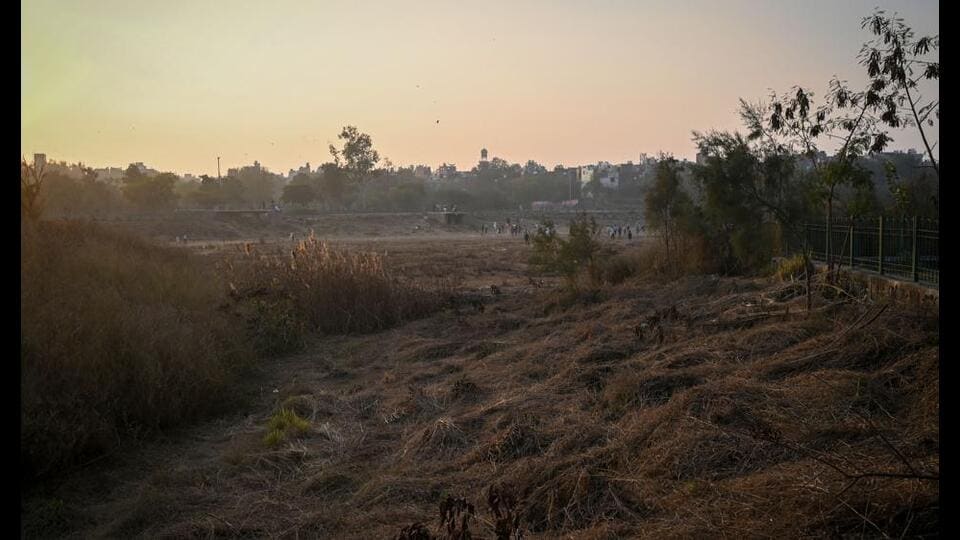
They added that the project aims to restore water bodies impacted by unplanned construction. The Delhi Development Authority (DDA) will rejuvenate the historic Rani ka Talab in Narela, and this model will be replicated across other rural water bodies.
“The project aims to rejuvenate a seven-acre pond by ensuring sustainable water availability, treating wastewater through an appropriately-designed sewage treatment plant (STP), restoring ecological balance, and developing landscape and public infrastructure facilities,” the official added.
ALSO READ | Delhi in talks for more water from Haryana and UP for summer
The phase-1 of the project will include topographical survey, catchment delineation and drain mapping and STP layout plan, the plan states.
In the second phase, detailed engineering design preparation will be undertaken followed by desilting and pond rejuvenation, aeration and bio-remediation. It will be completed by landscape design with park, plantation areas and walking tracks along its periphery. The first phase will be spread over three months while the second phase will take six months.
A government official said that topography surveys are being carried out in more than 60 villages and the process will culminate in April. These villages include places like Tikri Khurd, Ghewra, Jat Khor, Sannoth, Jaunti, Akbarpur Majra, Nangal Thakran, Mukhmelpur among other places.
ALSO READ | 14 of 37 sewage treatment plants in Delhi not operational, or substandard
Delhi government had earlier announced that it aims to turn Delhi’s barely functional lakes and ponds into natural sponges that can store excess rainwater, reduce flooding, and replenish the city’s fast-depleting groundwater. Most of the targeted water bodies have either dried up or degraded over time, largely due to urbanisation, encroachment, and disconnection from natural drainage channels.
Water minister Parvesh Verma had earlier said the new Delhi drainage master plan represents a shift from the city’s decades-old approach to drainage with the new strategy integrating nature-based solutions such as wetlands, bioswales, and retention ponds with modern, automation systems to better manage stormwater during the monsoon.
Delhi currently has about 1,000 recorded water bodies, but only a small fraction remain ecologically active, officials said. The rest have been filled up, built over, or severed from their natural catchments.


Stay updated with all top Cities including, Bengaluru, Delhi, Mumbai and more across India. Stay informed on the latest happenings in World News along with Delhi Election 2025 and Delhi Election Result 2025 Live, New Delhi Election Result Live, Kalkaji Election Result Live at Hindustan Times.


