Twins and triplets being born less than nine months apart, six people with the same father, and a 26-year-old man whose father is 38 are among the logical discrepancies being flagged by the automated system in Delhi’s draft electoral rolls during the ongoing Special Intensive Revision (SIR), officials said on Wednesday. However, being flagged does not necessarily mean there is a mistake and it may just be that the system does not understand the entries, as apparent in these examples.
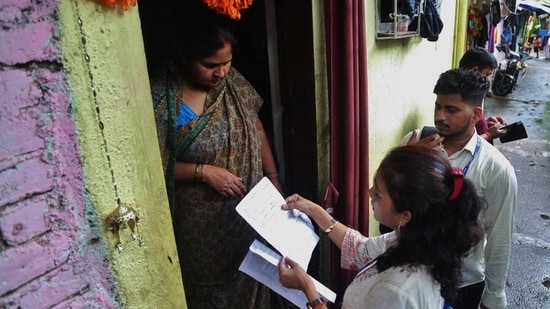
“The digitised forms were scrutinised through a system that flagged the discrepancies,” an official said.
According to official figures, 1,379,785 electors have not been mapped, while 1,933,134 forms have been flagged for logical discrepancies. Their names are part of the draft electoral rolls published on August 31, but they will be served hearing notices in due course. Overall, the draft roll contains 9,753,577 electors.
Also read: Delhi: SIR narrows gender gap as voter roll shrinks 32.8%
Spelling errors, mismatches account for most flags
{{/usCountry}}Also read: Delhi: SIR narrows gender gap as voter roll shrinks 32.8%
Spelling errors, mismatches account for most flags
{{/usCountry}}Most of the discrepancies so far are linked to spelling errors and mismatches.
However, they also include, what the system considers, unusually small age gaps between family members, such as less than 15 years between parent and child and less than 40 years between grandparents and grandchildren.
Twins or triplets with an age difference of less than nine months may also be flagged despite the information being correct.
It has also flagged “inconsistencies” in family relationships, such as six people having the same father.
Also read: 3.3 million Delhi voters to get notice over 'discrepancies' in SIR details
Discrepancy flags do not mean voter data is wrong
Officials said such flags do not automatically imply fault on the part of the elector, booth-level officer (BLO) or electoral authorities. The system identifies entries that do not meet predefined parameters. They could be genuine family circumstances that an automated system is unable to understand.
The SIR exercise has now moved to the notice stage. They are being generated through the offices of Assistant Electoral Registration Officers (AEROs) and will be handed over to BLOs, who will serve the notices and upload photographs as proof of service.
Also read: Delhi SIR: How to check your name in draft electoral roll & what to do if it's not on the list
Electors receiving notices will be asked to appear for a hearing on a specified date and time and produce documents to establish the correctness of their electoral details. Officials said electors may be informed during the hearing whether the documents submitted are adequate, while the final decision will be reflected in the final electoral roll.
Cases involving changes in a woman’s name after marriage or mismatches in the father’s name across documents may also require verification.
Authorities have urged electors not to panic if they receive a notice, stressing that a discrepancy flag does not by itself mean deletion from the electoral roll.
Also read: Delhi SIR draft roll: 4.75 million electors likely to be left out on Aug 31
Over 2.18 lakh applications filed since August 31
Meanwhile, the claims and objections process has seen substantial activity. On September 1, authorities received 3,605 Form-6 applications, taking the total to 2,18,139 since August 31. Form-7 objections stood at 51,482 till August 31, with 40 received on September 1. Form-8 applications for corrections stood at 2,61,935, including 1,866 received on September 1.
The claims and objections period will continue till September 30, with cases scheduled to be disposed of by October 29. The final electoral roll is slated for publication on November 4.
Stay updated with all top Cities including, Bengaluru, Delhi, Mumbai and more across India. Stay informed on the latest happenings in World News along with Delhi Election 2025 and Delhi Election Result 2025 Live, New Delhi Election Result Live, Kalkaji Election Result Live at Hindustan Times.
Stay updated with all top Cities including, Bengaluru, Delhi, Mumbai and more across India. Stay informed on the latest happenings in World News along with Delhi Election 2025 and Delhi Election Result 2025 Live, New Delhi Election Result Live, Kalkaji Election Result Live at Hindustan Times.