
 E-Paper



Supreme Court go-ahead for eviction of slums in Delhi’s Sarojini Nagar
The Supreme Court has granted permission for the eviction of 136 families residing in Delhi's Sarojini Nagar slums, with a compensation of ?3 lakh ($4,000) each. Families have until May 31 to vacate, with no further extensions. The eviction had been on hold since April 2022, when the court instructed the government to act "humanely" towards the slum dwellers. The court also suggested the government consider a centralised surveillance system to prevent the growth of new slums beyond January 2015.


The Supreme Court on Monday cleared the decks for eviction of 136 families residing in the slums of Delhi’s Sarojini Nagar area, asking the Union government to pay each family a compensation of ₹3 lakh and grant them time till May 31 to vacate the area.
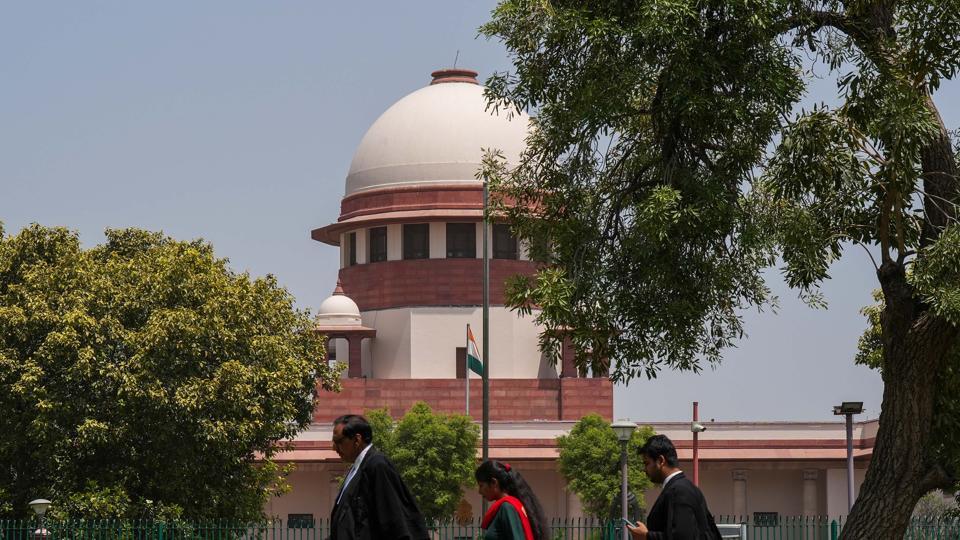
A bench of justices KM Joseph and BV Nagarathna made it clear that the order on the enhanced compensation was being passed on a “humanitarian” ground and that no request for extending the time to vacate the area will be entertained in future.
“In the interest of justice, on vacating the area on or before May 31, 2023, L&DO will pay a sum of ₹3 lakh to each of the 136 families. Families will nominate within 10 days the persons who will receive the money, along with sharing the details of their bank accounts with L&DO,” stated the court order.
Earlier, additional solicitor general Sanjay Jain, representing the Union government and its Land and Development Office (L&DO), had submitted that the families were entitled to ₹1 lakh each under the law.
The court, however, urged the Centre to pay more. “Just pay them a little more and your project can also go on after they vacate the place,” it told the ASG, who agreed to make an exception in the facts of the present case. Senior counsel Vikas Singh appeared for the slum dwellers.
The eviction of the area has been on hold since April 2022 when the top court restrained the authorities from evicting the families residing in the slums of Sarojini Nagar area and asked the Central government to act “humanely”.
While hearing the plea by a bunch of slum dwellers, the court also suggested to the Centre that to avoid such problems from arising in future, the government should consider having a centralised surveillance system to check growth of any new slum beyond January 2015. As per the Delhi slum rehabilitation policy of 2015, no new slum is to come up in the Capital after January 1, 2015, and the same can be uprooted without providing rehabilitation.


