
 E-Paper



‘Surfactants behind Yamuna froth’: TERI study
A study reveals that froth in the Yamuna results from human and natural surfactants, worsened by poor sewage treatment and sudden barrage openings.

 Prefer HTon Google


Froth in the Yamuna is caused by a mix of human-made surfactants (from places like Dhobi ghats) and natural surfactants (saponins from water hyacinth plants). This foam is exaggerated when the Okhla barrage gates are suddenly opened, creating high turbulence as the water falls from a significant height, a study has found.
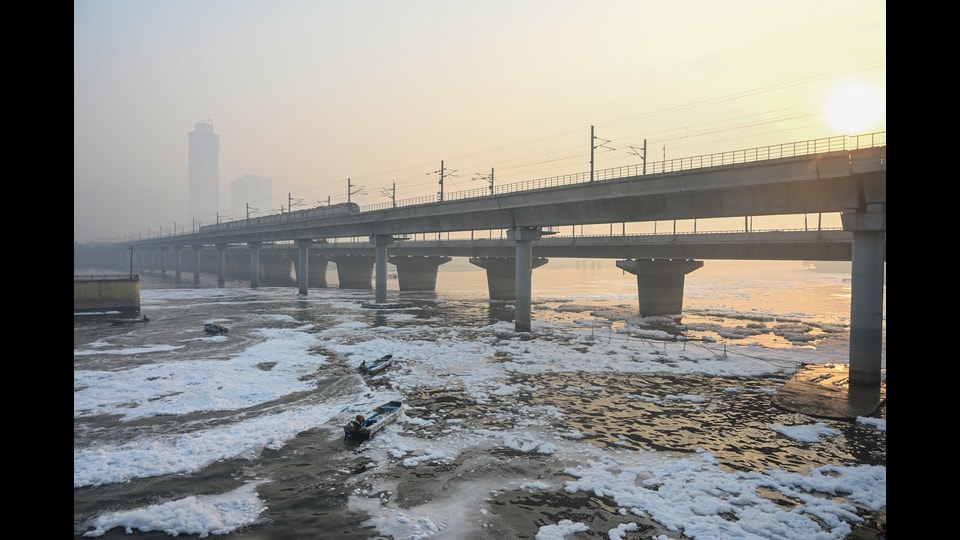
The study, conducted by The Energy and Resources Institute (TERI) and commissioned by the Delhi government to identify the reasons behind high froth formation in the river, also flagged poor working of the city’s existing sewage treatment plants (STPs) and common effluent treatment plants (CETPs) in not only handling toxic sewage and effluents, but also failing to address a number of these surfactants effectively.
Delhi’s environment minister Manjinder Singh Sirsa had on December 2 held a meeting with TERI on the findings of the study, directing officials from the environment, industries, health and urban development departments, alongside the Delhi Jal Board (DJB), to prepare time-bound implementation plans based on the report. The report was not made public at the time.
Titled Study of Yamuna Frothing in Delhi, the study was conducted in two phases — pre-monsoon phase (between May-June 2024) and the post-monsoon phase (November 2024 till January 2025). Samples were collected from 52 locations, including seven along the river stretch and barrages; 19 drains, 12 STPs, six CETPs and five dhobi ghats. Three additional locations were also covered along the Najafgarh stretch.
“Findings reveal that froth formation is triggered mainly by the poor water quality of the river, which results from various factors such as effluents coming from dhobi ghats/laundry clusters, which contains high ammonia and phosphate, released from anionic surfactants used in industrial grade detergents at these places,” said the report.
It flagged hotspots, particularly at Akshardham, Khichripur, and the Railway Colony dhobi ghats — which were found discharging white, turbid and untreated wastewater directly into the Yamuna through Ganesh Nagar drain, Shahdara drain, and 12A drains, respectively.
The report also flagged the presence of high saponins in the river – natural plant compounds known for creating a foam-like substance on the river. When combined with sudden opening of barrage gates and the fall of water from significant heights, “this creates high turbulence, exhibiting the most severe foaming, which further stabilises with the winter season setting in during this time of the year.”
TERI said a combination of different types of surfactants have been found through the samples collected and analysed, with levels found to be far exceeding the Central Pollution Control Board (CPCB) limit of less than 1 mg/l for surfactants.
Despite the problem of froth being an annual exercise, TERI’s analysis said Delhi’s existing infrastructure was ill-equipped to deal with the problem. A number of these drains, which either connect with STPs or CETPs – are not aimed to handle such surfactants. TERI said most STPs in Delhi showed efficient an effective biological oxygen demand (BOD) and chemical oxygen demand (BOD) reduction, indicating good performance in organic load reduction, however saponin removal was found to be consistently poor in most STPs, despite good removal efficiency for synthetic surfactants.


Stay updated with all top Cities including, Bengaluru, Delhi, Mumbai and more across India. Stay informed on the latest happenings in World News along with Delhi Election 2025 and Delhi Election Result 2025 Live, New Delhi Election Result Live, Kalkaji Election Result Live at Hindustan Times.


