E-Paper



Delhi MCD polls: Water, not Walkar murder, plays on Chhattarpur voters’ minds
Most people waiting to cast their vote in the serpentine queues that spiralled out of control across the central courtyard of the school said the crime was a non-issue.

 Prefer HTon Google


New Delhi: Barely a few metres away from Gali number 1 in South Delhi’s Chhattarpur Pahadi, where Shraddha Walkar was murdered in May, the polling station located in the Acharya Tulsi Sarvoday Bal Vidyalaya witnessed a heavy presence of both the voters as well as security personnel.
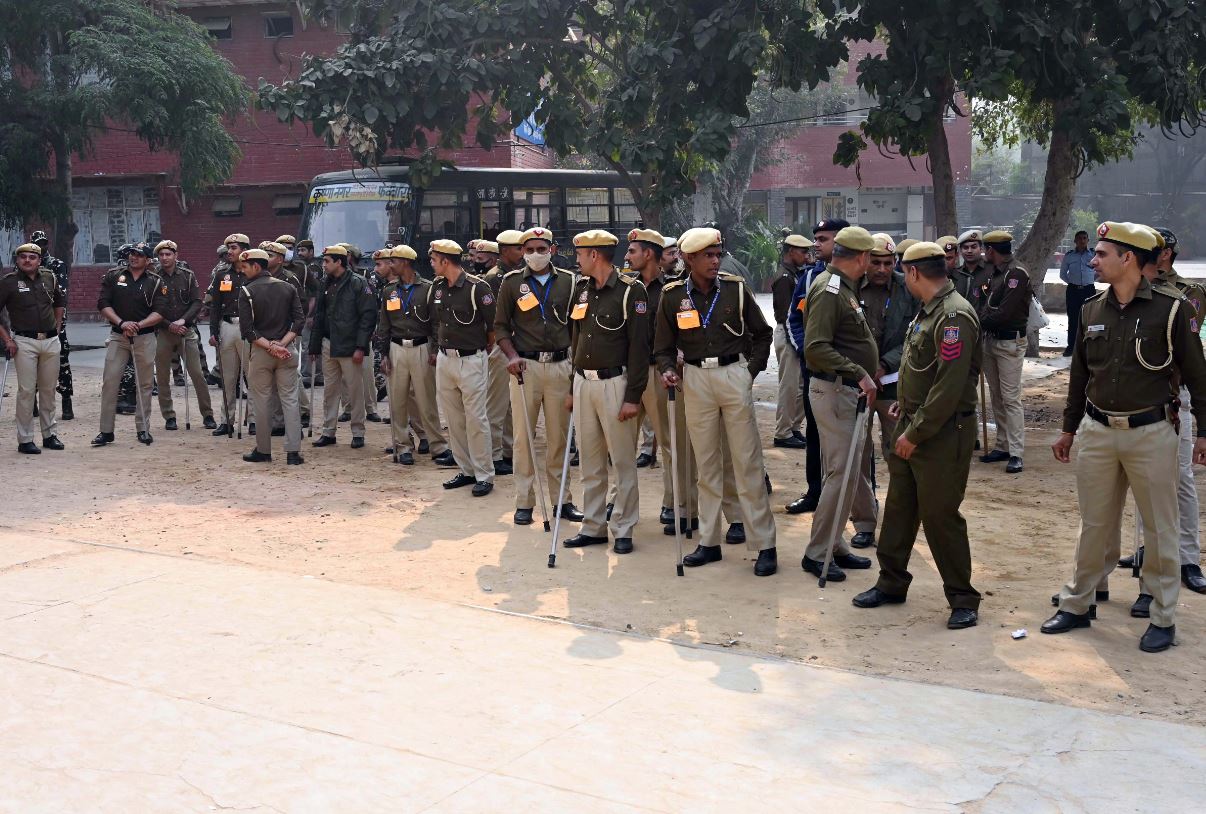
During a spot visit, HT saw more than 50 police personnel, some equipped with the tear gas shells, deployed at the school gate, and the Deputy Commissioner of Police (South) Chandan Chowdhary inspecting the premises -- unusual for a polling booth that is not marked sensitive. The DCP confirmed that it was not sensitive station, and said that the deployment had nothing to do with the murder case.
Shradha was allegedly murdered by her boyfriend, Aaftab Poonawala, at the couple’s rented flat. The suspect later chopper her body into at least 35 pieces and threw them at different places in south Delhi over two months.
Most people waiting to cast their vote in the serpentine queues that spiralled out of control across the central courtyard of the school said the crime was a non-issue. Many counted garbage collection and poor water supply as the issues would dictate their preference of the candidate.
Deepak Kumar, 27, a local resident said, “Our main concerns are poor water supply, drains not being cleared and garbage dumps surrounding our locality. Recently, there was a murder in Tilak Nagar too, and such a crime can take place anywhere. But it cannot come to define a locality ,” he added.
Chhattarpur Pahadi has a mixed population who share common concerns.
Roshan Begum, 48, said the neighbourhood faces acute water crisis. “Borewells don’t work and we are forced to spend a lot of time to arrange water here. We will vote for the person who will solve our daily problems,” she said.
Varsha, 20, who was among the voters waiting in the queue, said that the people were “voting for change”. “People are not getting distracted with other issues. We need better roads, reliable water supply, clean drains and garbage-free lanes. Rest is all noise,” she added.
Neeraj Paswan, 19, a first-time voter, said that the MCD’s main job is to clear the garbage, but the agency has failed on that front. “Check any lane. There are garbage dumps. Stray cattle are roaming around. I have decided to cast my first vote to someone who will help clean up my colony,” he added.