
 E-Paper



Yamuna levels to rise again after season’s highest discharge at Hathnikund
The current peak discharge -- of 65,861 cusecs at 3pm on Thursday -- eclipsed the 61,729 cusecs released on August 6, which had pushed the water level to a season high of 205.15 metres on August 8

 Prefer HTon Google


The Yamuna is likely to see another surge in water levels in the coming days, fuelled by heavy rain spells and increased discharge from the Hathnikund barrage. On Thursday, the hourly discharge crossed a seasonal peak of 65,861 cusecs at 3pm — the highest so far this year — with levels expected to rise further as the India Meteorological Department (IMD) forecasts heavy to very heavy rain in the river’s upper reaches till the weekend.
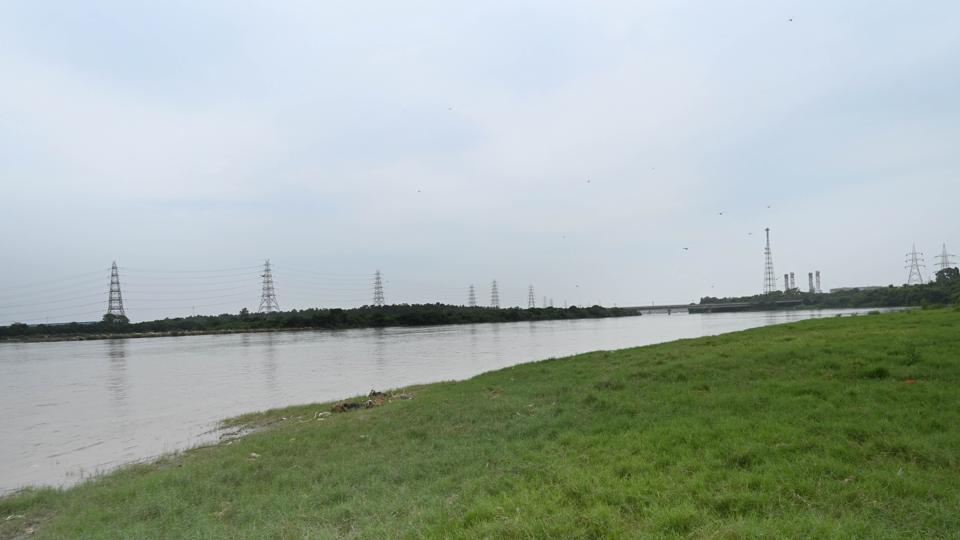
In Delhi, the river’s level, measured at the Old Railway Bridge, hovered close to the warning mark of 204.5 metres. It stayed above this threshold from 3pm on Wednesday till 6am on Thursday, before dipping slightly, Central Water Commission (CWC) data showed. The danger level is 205.33 metres.
The current peak discharge eclipsed the 61,729 cusecs recorded on August 6, which had pushed the water level to a season high of 205.15 metres on August 8. Water from Hathnikund typically takes about 48 hours to reach Delhi.
Bhim Singh Rawat, associate coordinator at the South Asia Network on Dams, Rivers and People (SANDRP), said Thursday’s discharge stayed above 50,000 cusecs between 1pm and 6pm. “As seen last week, discharges of this volume helped the river breach the warning level. We can expect another surge in the coming days, with levels possibly moving closer to the danger mark,” he said.
According to the Irrigation and Flood Control Department, Delhi’s highest flood level was 208.66 metres in 2023, when the city saw large-scale flooding. That year, the Hathnikund barrage released over 350,000 cusecs at its peak, with several hourly discharges above 100,000. Last year, the Yamuna’s highest level was 204.38 metres.


Stay updated with all top Cities including, Bengaluru, Delhi, Mumbai and more across India. Stay informed on the latest happenings in World News along with Delhi Election 2025 and Delhi Election Result 2025 Live, New Delhi Election Result Live, Kalkaji Election Result Live at Hindustan Times.


