
 E-Paper



‘Gurugram is not a walkable city at all’
Rajeev Bajaj highlights Gurugram's rapid growth and challenges like waste management, traffic congestion, and poor pedestrian infrastructure impacting livability.

 Prefer HTon Google


When Rajeev Bajaj moved to Gurugram in 2002, he did so with the belief that the city had the potential to grow into a thriving urban centre. Over the years, he says, that promise has been realised but not without consequences.
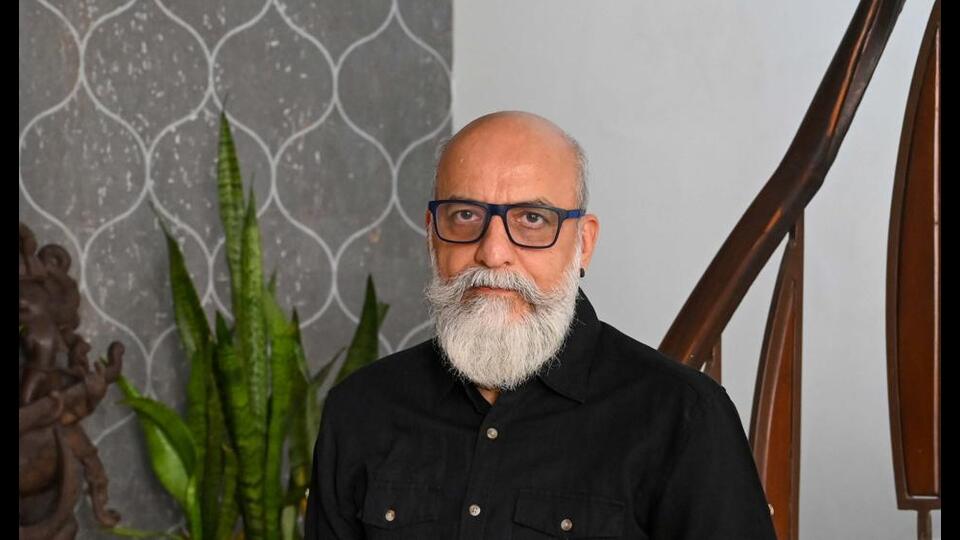
While rapid development has brought progress and opportunities in Gurugram, Bajaj says it has also introduced challenges, as the supporting infrastructure has failed to keep pace.
Bajaj, a tech entrepreneur since 1989 who manufactures electronic security products in-house, says his decision to shift base to Gurugram was met with scepticism at the time. “In the early 2000s, people would say the entire city was dug up—it looked as if it had been bombed,” he recalls, referring to the widespread construction and lack of basic infrastructure during the city’s formative years.
Despite the initial doubts, Bajaj chose to invest in Gurugram, trusting in its long-term potential as a business hub.
“Compared to other parts of the National Capital Region (NCR), Gurugram witnessed exceptionally rapid growth. While this surge brought numerous opportunities, development at such a pace inevitably leaves gaps,” he said.
According to Bajaj, while Gurugram faces a range of urban challenges, three stand out as the most pressing: waste management, traffic congestion, and the lack of last-mile connectivity. “These three issues continue to affect the city’s livability and highlight the gaps in its planning.”
He added that the city lacks safe and accessible walking spaces for pedestrians. Footpaths, where they exist, are often broken or encroached upon, while many areas have none. Coupled with rising traffic congestion and poor traffic management, he said, these issues have made Gurugram largely unfriendly to pedestrians.
“Even for short distances, people are forced to use two-wheelers or cars to get around. There are virtually no cycle tracks in a city that aspires to compete with global urban centres,” he said.
However, Bajaj noted that one of Gurugram’s advantages is its relatively wider road network compared to the national capital and other NCR cities.
He said that while the city is linked by metro corridors and major highways, commuters often find it difficult to reach their final destinations due to the lack of reliable feeder services and well-integrated public transport. “This is not a recent issue, but this has been ongoing for years now,” he added.
A member of a residents’ welfare association himself, Bajaj said RWAs often act as a crucial bridge between civic agencies and residents, voicing local concerns and facilitating dialogue on civic issues.
However, he emphasised that the effectiveness of these associations depends largely on their cohesion and collective strength.
He added that unity among RWAs is essential for effective advocacy, as fragmented representation often weakens their ability to push for meaningful and sustained civic action.
While the city continues to attract investment and talent, he said its long-term livability will depend on how effectively these structural gaps are addressed.

Stay updated with all the Breaking News and Latest News from Mumbai. Click here for comprehensive coverage of top Cities including Bengaluru, Delhi, Hyderabad, and more across India along with Stay informed on the latest happenings in World News.


