
 E-Paper



Haryana’s April crop fires jump 2x year-on-year, satellite data shows
Crop residue burning incidents in Haryana surged to 900 in April 2023, doubling from 450 last year, with efforts underway to prevent further occurrences.

 Prefer HTon Google


Gurugram: Crop residue burning incidents in Haryana may have doubled in April this year as compared to 2025, according to the satellite-based active crop fire locations (AFL) detected by the Haryana Space Application Centre (HARSAC).
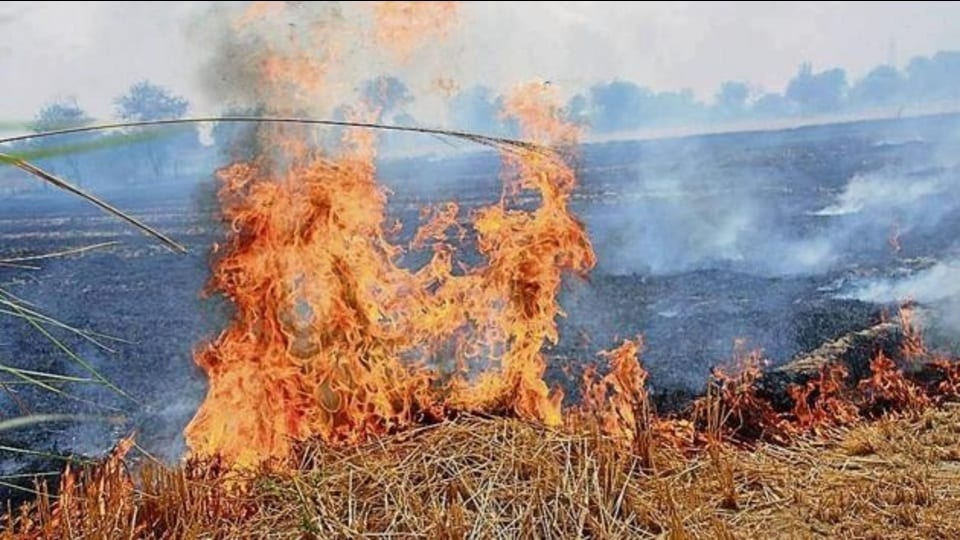
Around 900 straw-related blazes were reported between April 1 and 30, an increase from 450 during the same period last year, the data, seen by HT, stated. These included intentional burning by farmers and accidental fires due to climatic changes, soaring mercury levels and short-circuits.
The highest number of such incidents were reported from Jhajjar (154), followed by Rohtak (150), Karnal (111), Panipat (85), and Jind (80), among others. Other districts with relatively fewer cases include Sirsa (60), Kaithal (50) and Palwal (35). In Southern Haryana, Nuh had the least number of AFLs, reporting 10 incidents, in contrast to Gurugram (19) and Faridabad (17).
Mahendragarh was the only district which reported zero incidents, followed by one in Panchkula, five in Yamuna Nagar and six each in Charkhi Dadri and Kurukshetra. Ambala also reported 10 such incidents.
Agriculture department officials attributed rising AFL occurrences to accidental burning due to short-circuits and climatic factors, though investigations are underway.
During March and April, wheat is harvested in most parts of Haryana and farmers clear the field for next crop season. “Jhajjar and Panipat have mostly seen no significant change, however Bhiwani reported a drop by 60%, with 24 cases this year compared to 40 in 2025. In Gurugram, 14 out of 19 farm fires reported were said to be accidental,” a senior official said.
Officials said the satellite-based detections often include fire on kerbs, garbage and short circuit-induced blazes, along with intentional burning which is a crime under Section 223 (disobedience to an order duly promulgated by a public servant) of the Bharatiya Nyaya Sanhita.
“While no penalties or FIRs have been registered against farmers in Gurugram and Sonipat, the action against illegal burning through criminal proceedings and pressing for red-entry is under process in Jhajjar, Panipat, Karnal and other districts,” another senior official added.
A red-entry is an adverse revenue record made against a farmer found guilty of crop burning, with provisions of ineligibility for government subsidies and incentives during the upcoming harvesting season.
Officials said village-level camps and enforcement are being stepped up to prevent such incidents over the next two weeks. “Anticipated rains over the next few days ahead of the paddy sowing season in May may completely stop burning. Vigilance squads, including local police and administrative officials, are on alert. Site investigations are underway to distinguish between accidental and intentional burning,” the senior official said, adding that fines and FIRs will be pressed in the coming weeks.

Stay updated with all the Breaking News and Latest News from Mumbai. Click here for comprehensive coverage of top Cities including Bengaluru, Delhi, Hyderabad, and more across India along with Stay informed on the latest happenings in World News.


