
 E-Paper



Reporter’s Diary: Another deadline buried under dumped waste in Gurugram
A delayed revamp of Gurugram’s garbage collection points reflects a larger pattern of civic projects that generate headlines but lag in execution.

 Prefer HTon Google


There are stories that begin with a complaint. Others begin with a promise. This one began with a deadline.
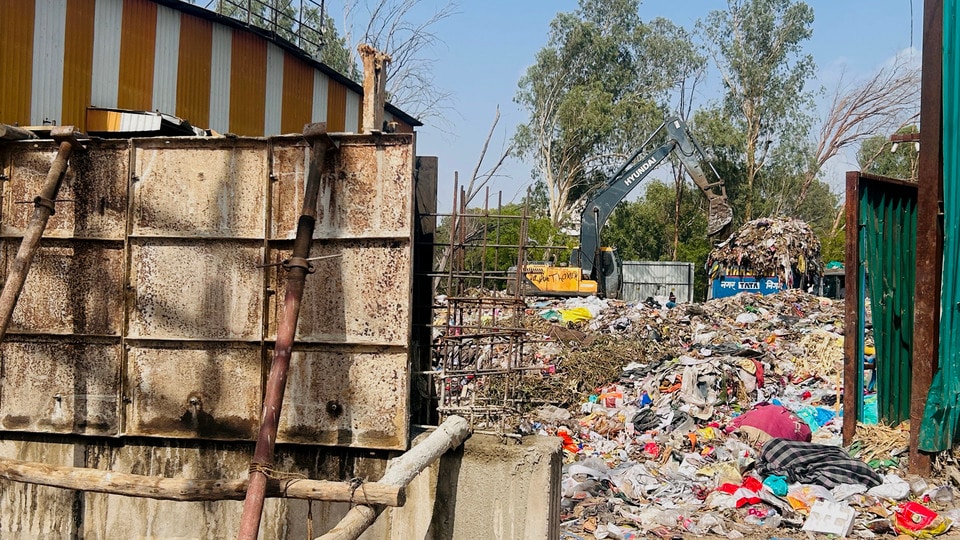
In April, the Municipal Corporation of Gurugram (MCG) announced that 14 secondary collection points (SCPs), where garbage from neighbourhoods is temporarily stored before being transported to processing facilities, would be repaired, beautified and modernised by June 1.
The promise seemed straightforward. Cleaner SCPs would mean less odour, less litter and fewer complaints from nearby residents. But when June arrived, the deadline quietly passed.
Travelling to these locations while reporting the story, I realised SCPs occupy a peculiar place in Gurugram’s civic landscape. Everyone accepts they are necessary. Nobody wants one near their home.
Residents in several neighbourhoods have spent years complaining about overflowing waste, foul odours and garbage spilling onto roads. Yet these sites remain largely invisible until something goes wrong. That is why the missed deadline matters.
Delays in civic projects are hardly unusual. Tenders take time, approvals get delayed and files move slowly. What struck me was how closely these collection points reflect a broader pattern in the city.

Gurugram routinely announces civic upgrades, whether drainage works before the monsoon, road repairs before winter or waste management reforms ahead of cleanliness rankings. Announcements generate optimism, but execution often comes later.
The city’s waste management story illustrates this well. Bandhwari remains one of the region’s biggest environmental challenges. Residents continue to report garbage accumulation at multiple locations. New tenders are floated, fresh plans are announced and new targets are set, yet basic waste infrastructure remains incomplete.
The SCP project was never merely about repairing a few structures. It was about improving the most visible point in the waste management chain, where residents interact with the city’s sanitation system.
Standing beside one of these collection points, watching sanitation workers load waste amid piles of garbage, I was reminded how much urban governance depends on such overlooked spaces.
The problem does not end there. These SCPs routinely catch fire during summer, releasing toxic fumes and affecting nearby residents. This year was no exception. The SCPs at Khandsa and Sector 70 caught fire, with the Khandsa site burning twice. Each blaze took more than 24 hours to extinguish. Yet such incidents appear to have had little impact on the pace of civic action.
Flyovers make headlines. Secondary collection points rarely do. Yet for people living beside them, these are the civic projects that shape everyday life far more than any grand announcement.
The June 1 deadline may have passed, but the larger question remains. Can Gurugram afford to keep missing the smaller promises that make a city liveable?
Sampurna is a correspondent with HT Gurugram covering crime, health, civic infrastructure, and traffic.


Stay updated with all the Breaking News and Latest News from Mumbai. Click here for comprehensive coverage of top Cities including Bengaluru, Delhi, Hyderabad, and more across India along with Stay informed on the latest happenings in World News.


