
 E-Paper



Infant locusts spotted in 2 Fazilka villages
Administration starts spraying operations, asks farmers not to panic


As the state fights the Covid-19 pandemic, two border villages in Fazilka are faced with yet another crisis. Locals spotted a swarm of infant locusts in Roopnagar and Baree Kee villages, posing a threat to mustard and cotton crop spread over 300 acres here.
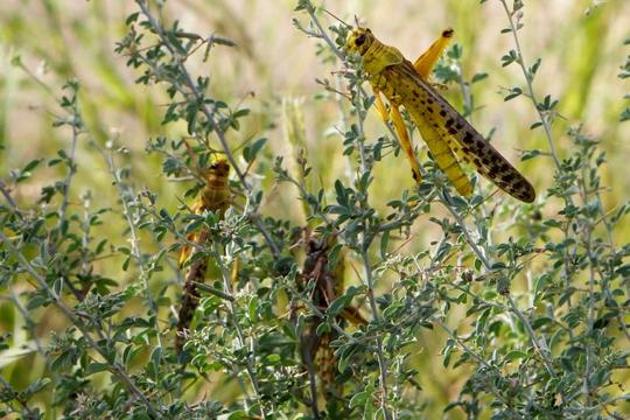
The local administration swung into action on Thursday and started spraying pesticides.
Mahinder Singh, former sarpanch of Roopnagar village, said the locusts have come from Pakistan side near Mojju Kee, a border out post on the Indo-Pak border.
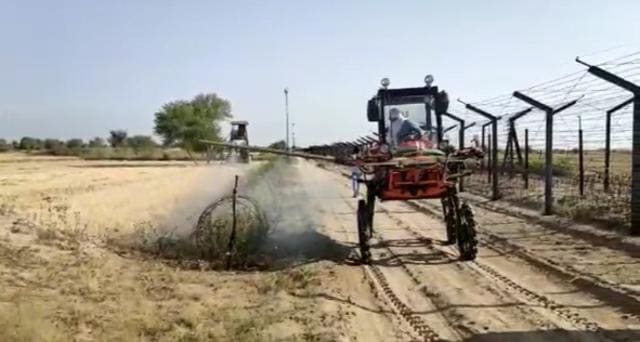
“These are newly born locusts and unable to fly so they cannot cause much damage right now. But we have started spraying pesticides to kill these and also stop more from coming,” said Manjit Singh, chief agriculture officer, Fazilka, told HT.
He added that the administration is using the pesticide, malathiona to control the situation.
A team from the locust circuit office, Suratgarh, Rajasthan, is also camping in the two villages to help the Punjab agricultural authorities in eliminating the locusts.
DON’T PANIC, DC TELLS LOCALS
Meanwhile, Fazilka deputy commissioner Arwind Pal Singh Sandhu appealed to farmers not to panic and said, “Whenever you notice locusts in the vicinity, inform the administration. We have tackled the locust attack in February too and they are very alert to entire situation.”
In the first week of February, a maiden locust attack was reported from the region but it was eliminated well in time.
An adult locust swarms can fly up to 150 kilometres a day with the wind and adult insects can consume roughly their own weight in fresh food per day. A very small swarm eats as much as about 35,000 people in one day, posing thereby posing a threat to crops and food security.


