
 E-Paper



Rajasthan gets genome sequencing lab to monitor, detect Covid-19 variants
Genome sequencing facility will now be available at the SMS hospital in Jaipur, Rajasthan

 Prefer HTon Google


Genome sequencing facility will now be available at the SMS hospital in Jaipur, Rajasthan. State health minister Dr Raghu Sharma said, in the fight against Covid-19, the facility of genome sequencing has been made available in the state.
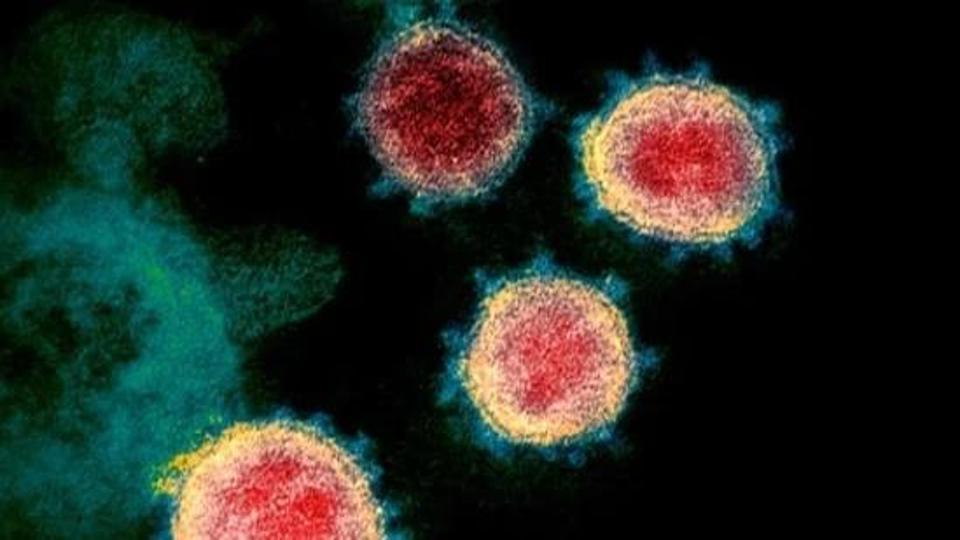
“Around 100 samples of Covid-19 have been used for genome sequencing. According to the investigation report, about 90% of these have been found to be delta variants. The remaining 10% came positive for Covid-19’s B1.1 variant,” Sharma said, expressing confidence that with the availability of the genome sequencing facility in the state, effective monitoring of the changing variants of Covid-19 will be possible.
The technique of genome sequencing will help in getting information about the new variants of the virus. A sum of ₹1 crore has been spent for the facility at SMS Medical College.
Sharma said, till now, samples from the state for genome sequencing were being sent by the Indian Council of Medical Research to the IGIB lab in Delhi. Every day, at least ten samples were sent from the state but their reports were not received on time.
The health minister said the sampling work on the machine installed at SMS Medical College started on June 15. The machine can test up to 20 samples per day and soon its capacity will be increased to 80 samples daily. The test report of the samples can be received within 3 to 4 days.
Sharma informed that the state is also leading in vaccination management. So far, 2,23,00,076 people have been inoculated against Covid-19. The vaccine wastage in the age group of 18-44 years is almost negligible, while in the age group of 45 years and above, the vaccine wastage is 0.7%, against the permissible wastage by the Government of India, which is 10%.
“If the Central government provides vaccine doses in sufficient quantities then the department can administer vaccine doses to about 15 lakh people daily,” the minister added.


