E-Paper



After Yogi’s push, U.P. explores use of cow dung paint in govt buildings
The state’s department of animal husbandry is assessing the feasibility and cost-effectiveness of the move

 Prefer HTon Google


: Using eco-friendly cow dung-based paint on government buildings is among the innovative uses of cow dung that the authorities in Uttar Pradesh have begun exploring following directives from chief minister Yogi Adityanath.
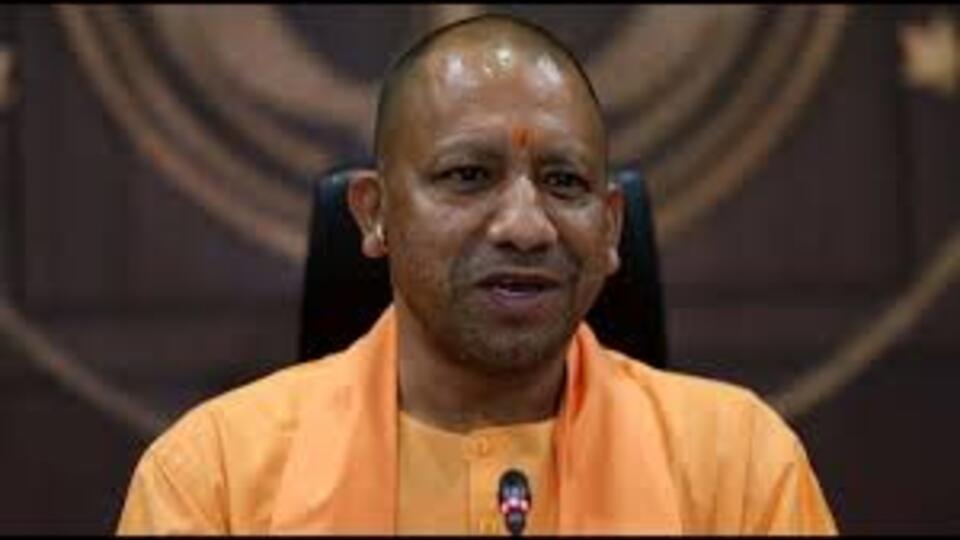
The state’s department of animal husbandry is assessing the feasibility and cost-effectiveness of using cow dung paint on official buildings, marking a significant step towards making cow shelters self-reliant by generating income from these centres
Over 12 lakh (1.2 million) stray cattle housed in around 7,693 shelters across Uttar Pradesh produce massive quantities of cow dung and urine every day, prompting the authorities to find out more and newer ways to use this natural resource to help the shelters become self-sustainable. The state government annually spends ₹2,000 crore on the feed of stray cattle.
Principal secretary, animal husbandry and dairy development, K Ravindra Naik said, “Already, many self-help groups and NGOs are making products using the cow dung and urine. Now, we are looking for more innovative ways among which include painting government buildings with the environment-friendly dung-based paint.”
“We will get a feasibility study conducted in this regard and then take a call accordingly,” he added.
Chairing a high-level meeting on Sunday, chief minister Yogi Adityanath directed concrete steps to make cow protection centers self-reliant and advocated the use of cow dung-based natural paint in government buildings, along with scaling up its production.
Currently, there is no information available on the quantity of paint made of cow dung at stray cattle centres.
“We have not yet collected the data related to production of cow dung paint, though it is already being produced in some districts,” joint director (cow) SK Agrawal said.
The Yogi government is promoting a wide range of dung-based commercial products—such as natural paint, vermi-compost, incense sticks, dung logs, and earthen lamps—produced at cow shelters (gaushalas). These efforts aim to transform the shelters into income-generating centres while addressing the issue of stray cattle.
“With support from the National Dairy Development Board (NDDB), large cow shelters are being developed, including two mega units in Muzaffarnagar with a capacity of 5,000 cattle each. The products manufactured from cow dung are being marketed by Self Help Groups (SHGs) and NGOs in over 35 districts,” Naik said.
In 38 districts, women self-help groups and NGOs are manufacturing products from cow dung and urine to turn the stray cattle centres into self-sustainable units.
“For example, natural paint is being produced in Varanasi, Ayodhya, Unnao, Deoria, Mirzapur, and Bahraich. Vermi-compost is being made in Bareilly, Sitapur, Shahjahanpur, Rae Bareli, Hardoi, and other districts. Dung logs used as an alternative to firewood are being made in Basti, Gorakhpur, Banda, Sultanpur, and Prayagraj while earthen lamps and Incense sticks are being crafted in Gonda and Aligarh,” he said.
One such example is the Kanha Upvan cow shelter in Saharanpur, where cow dung is processed into compost and incense sticks, with local SHGs handling production and marketing. Similar efforts are seen in Muzaffarnagar, Kanpur Nagar and Amroha where dung-based products are being sold, creating livelihood opportunities.
According to a government document, at least 10 gaushalas in districts like Saharanpur, Muzaffarnagar, Kanpur, Ghazipur, Mathura, Hardoi, and Varanasi are engaged in preparing a range of Ayurvedic products using cow-based items. These include phenyl, incense sticks, face wash, and medicinal items such as Panchgavya, Amrutam, Sanjeevani, Jeevanras, and more.
The “Kamdhenu Godhan Utpadan Gaushala” in Saharanpur, run by the Nagar Nigam, is making phenyl and incense sticks. In Mathura, the Manajli Gaushala, Barsana is making phenyl, dhoop (incense sticks), soap, face wash, handwash, tooth powder, herbal gulal, and Panchgavya-based products.
“This model not only promotes environmental sustainability but also aligns with the government’s larger vision of converting cow shelters into economically viable and socially useful institutions. We continue to look for innovative uses and now considering painting government buildings with dung-made paint is a part of the same initiative,” Naik said.