
 E-Paper



Bagful of activities for UP students on ‘bagless’ days
To promote activity-based learning, 10 days without bags in an academic session have been made mandatory for students of Classes 6 to 8. The move is an educational initiative suggested in the ‘National Education Policy 2020’ where students attend schools without carrying their usual school bags and textbooks.


With a view to engaging children in joyful, skill-based and experiential learning, UP government schools have mandated ten bagless days in an academic session for students of Classes 6 to 8. The move is an educational initiative suggested in the ‘National Education Policy 2020’ where students attend schools without carrying their usual school bags and textbooks. The concept is aimed at giving students a break from heavy bags and promoting alternative forms of learning and acquiring skills, officials said.
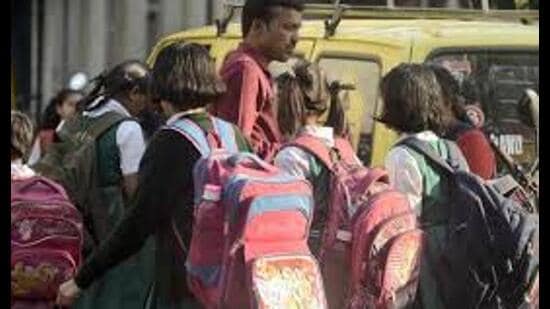
Since the decision to introduce 10 bagless days was taken mid-session, the third and fourth Saturdays of November, first, second, third and fourth Saturdays of December, third and fourth Saturdays of January 2026 and first and second Saturday of February will be bagless days, as per a detailed calendar prepared by director general (school education) Monica Rani.
“The students will be exposed to out-of-school activities from time to time through visits to historical, cultural and tourist places/monuments, meetings with local artists and craftsmen and visits to higher educational institutions in their respective villages, tehsils, districts and states,” an official said.
Notably, for the first time, children will also conduct case studies, allowing them to understand and learn from real-life situations, and not just textbooks.
Based on the ‘Anandam Guide’ prepared by the State Council of Educational Research and Training (SCERT), detailed instructions have been issued to the basic shiksha adhikaris (BSAs) of all the 75 districts, a government spokesperson said.
According to basic education minister Sandeep Singh, the initiative will play a crucial role in equipping children with skills that will make them vocationally competent in the future.
SCERT director Ganesh Kumar said that they have prepared a list of activities for this programme, divided into science and technology, local industries and businesses, and art, culture, and history. An inclusive plan has also been developed for children with special needs.
This is how children will learn:
- Children will learn skills such as observation, experimentation, analysis, classification, reasoning, and drawing conclusions.
- There will be direct interactions with local artists, artisans, and industries. The concept of self-reliance will be strengthened.
- Skill-based activities will help children understand the importance of labour and provide practical experience in future professions.
- Deep knowledge of monuments, historical sites, museums, and local heritage will increase.
- Each activity will involve active participation of the community, parents, and experts, providing children with real-life information.


