E-Paper



Drums, brass & brotherhood: The musicians of Sashastra Seema Bal
he SSB has three types of bands across its frontiers—Brass, Pipe, and Jazz—with 20 to 38 members in each

 Prefer HTon Google


When 27-year-old Rohit Pandey joined the Sashastra Seema Bal (SSB), he never imagined his childhood love for singing would find a platform within the force.
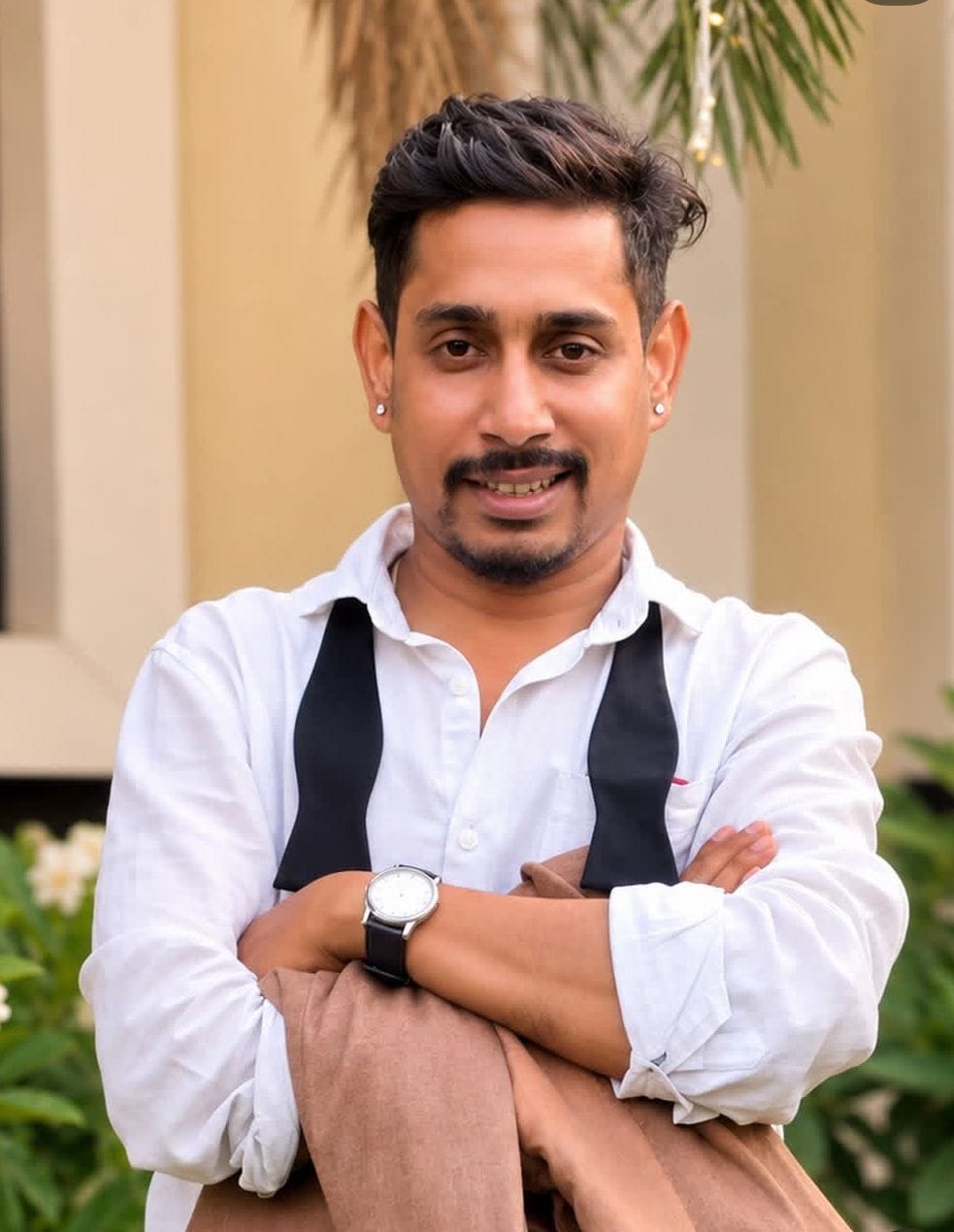
“I used to sing in school, but people would laugh at me. I thought they were appreciating me,” Pandey said with a smile. “Later, I got a few opportunities to perform and received genuine praise. But that phase faded—until I joined the SSB in 2021.”
At one of the force’s events, Pandey sang in front of the Inspector General. “He liked my voice and inducted me into the Jazz band,” said the Bihar native. “I’ve been performing with the team ever since.”
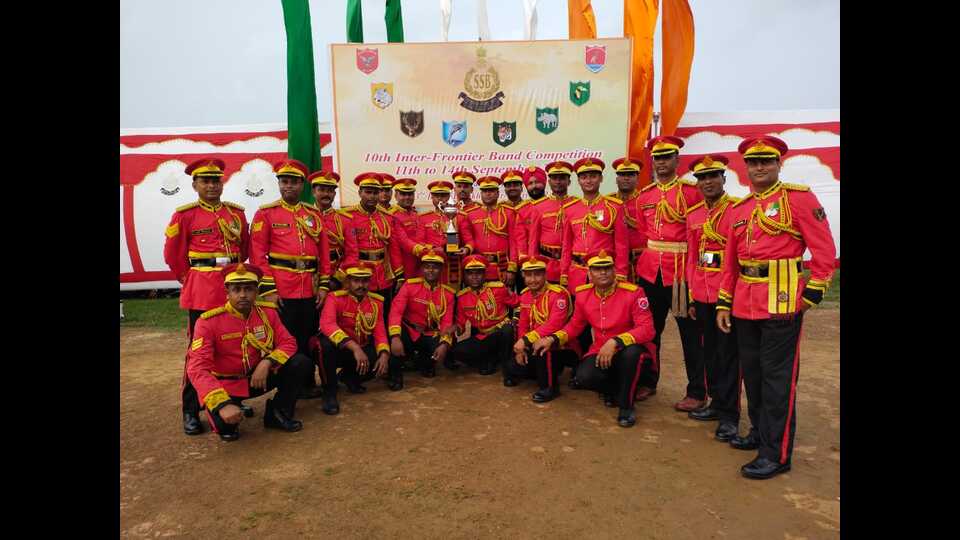
Like Pandey, 47-year-old Lalit Mohan Singh and many others in the SSB discovered their musical talents while serving. Singh’s journey into music began in 2008, when the Lucknow Frontier’s band unit was formed. Today, he leads a 22-member brass band.
The SSB has three types of bands across its frontiers—Brass, Pipe, and Jazz—with 20 to 38 members in each. Most band members are trained musicians, selected either internally or based on prior musical experience. Some undergo 12 to 18 months of formal training at the SSB headquarters in Delhi.
From remote Indo-Nepal and Indo-Bhutan border posts to civic events in bustling cities, the SSB band has struck the right chord—both musically and emotionally. As the world celebrates World Music Day on June 21, the SSB’s musical units stand as a symbol of harmony, discipline and connection with the public.
“Formed to boost troop morale and bridge the gap between security forces and civilians, the SSB band is more than a ceremonial presence. It’s a legacy in uniform, marching not just to the beat of a drum, but to the rhythm of national pride,” said Ratn Sanjay, inspector general, Frontier Headquarters, Lucknow.
Band beyond the mission
While military bands are typically associated with parades and formal ceremonies, the SSB band goes far beyond tradition. Whether stationed at a remote border outpost or performing in a shopping mall during the Har Ghar Tiranga campaign, their music follows wherever duty calls.
“Our music travels with us—be it a village fair, a civic event, or a city concert,” said Singh.