E-Paper



Ensure no eligible voter left out during Special Summary Revision: Yogi to BJP workers
Yogi Adityanath asks BJP workers to begin booth-level campaign from November 19 to identify eligible voters whose names are missing and flag duplicate, ineligible and incorrect entries; accuses Opposition of spreading misinformation

 Prefer HTon Google


Chief minister Yogi Adityanath on Friday asked BJP workers to ensure that no eligible voter was left out during the Special Summary Revision (SSR) ahead of the 2027 assembly elections. He also asked workers to ensure the enrolment of young voters who would attain the age of 18 by January 1, 2027.
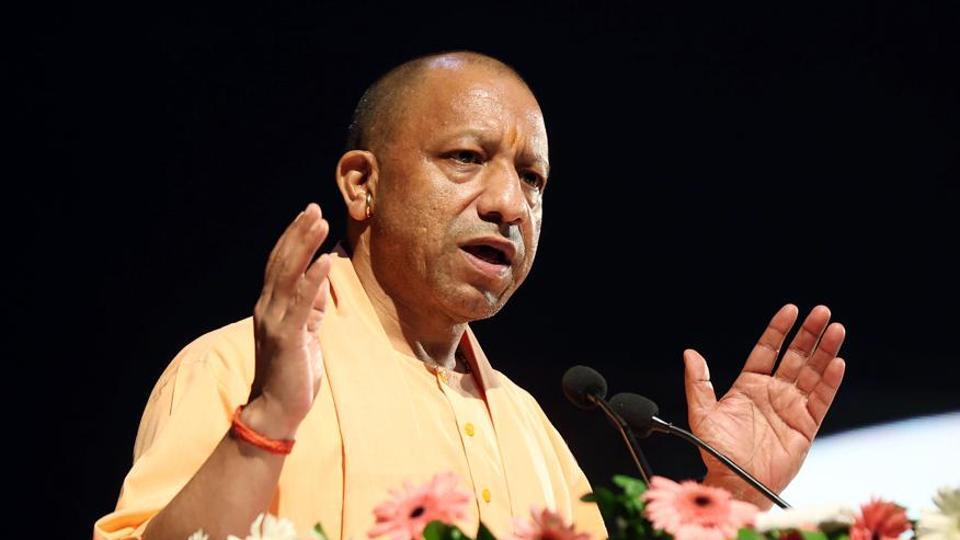
He also reiterated his concern over the alleged deletion of Hindu voters’ names and inclusion of bogus entries in electoral rolls, asking BJP workers to identify such discrepancies.
In addition, he drew attention to the comparatively lower number of women voters, saying marriage was one of the reasons their names went missing from electoral rolls.
Adityanath was addressing a BJP state-level workshop on the party’s voter enrolment campaign in Lucknow. Yogi, according to sources, stressed the need to identify fraudulent and multiple registrations. He cited an example from Meerut where, he claimed, a Muslim man had more than half-a- dozen voter entries under different names, including one bearing a Hindu name.
The chief minister said the draft electoral rolls would be published on November 17 and asked party workers to begin a booth-level campaign from November 19. They should examine the lists, identify eligible voters whose names were missing and flag duplicate, ineligible and incorrect entries for deletion or correction.
He said every eligible adult Indian citizen must figure on the electoral rolls, while names of non-citizens, minors and those registered at more than one place must be removed in accordance with Election Commission guidelines. He described the purification of electoral rolls as a constitutional responsibility and not merely an exercise linked to elections.
In several cases, women’s names were deleted from their parental households after marriage but were not subsequently enrolled at their matrimonial addresses, he said, asking party workers to launch a special drive to rectify such omissions.
Migrant workers from Uttar Pradesh employed in Delhi and other states should also be contacted to ascertain whether their names figured on the electoral rolls. Their families should be approached to facilitate enrolment wherever necessary, he said.
He asked party workers to familiarise themselves with Forms 6, 7 and 8, used respectively for enrolment, deletion and correction or change of address.
Applications should be filled in and signed by the concerned voters, while party workers should coordinate with booth-level officers and assist the Election Commission’s officials, he said.
Taking on the Samajwadi Party and other Opposition parties, Yogi alleged that they were spreading misinformation to obstruct the electoral roll purification exercise. Citing the removal of 91 lakh names from electoral rolls in West Bengal following the Special Intensive Revision, he defended the exercise as necessary to strengthen democracy.
He also accused the Opposition of wanting to push Uttar Pradesh back into an era of riots and lawlessness, referring to the political situation in the state before 2017.
Expressing confidence about the BJP’s electoral prospects, Yogi said no force could prevent the party from securing a hat-trick of victories in Uttar Pradesh.
The workshop was chaired by BJP state president and Union minister of state for finance Pankaj Chaudhary. Deputy chief minister Keshav Prasad Maurya, Uttar Pradesh ministers Suresh Khanna and JPS Rathore and other senior party functionaries also addressed the meeting.