
 E-Paper



Groundwater extraction: Lucknow still overdraws 28% water above sustainable limit
The worrying assessment was shared by agriculture production commissioner and the state’s additional chief secretary

 Prefer HTon Google


Lucknow’s water extraction rate continues to remain substantially above the sustainable limit, even as the city has registered an improvement in its groundwater situation over the past five years.
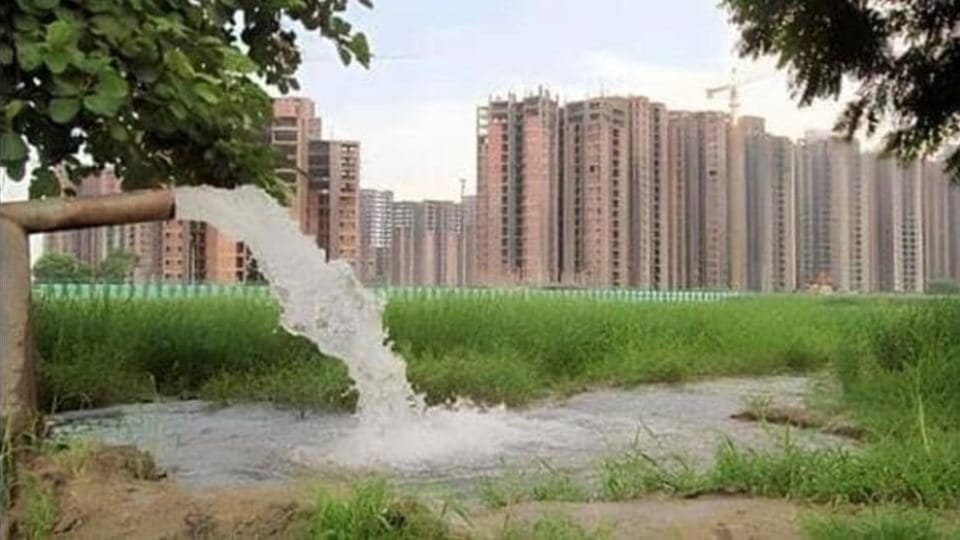
Statistics say that the groundwater withdrawal has exceeded the estimated annual replenishable resource by 28.03%.
The worrying assessment was shared by agriculture production commissioner and additional chief secretary Anurag Srivastava, during a day-long workshop on urban water security and groundwater management organised by the Uttar Pradesh groundwater department at Indira Gandhi Pratishthan in Gomti Nagar on Monday.
Although the decline in the extraction rate reflects progress, the fact that it continues to exceed 100%, points to an unsustainable pattern of groundwater use.
Speaking at the workshop, Srivastava said urban water security could no longer be viewed merely as a matter of water supply or the responsibility of the groundwater department. It was a cross-sectoral issue involving urban planning, building construction, drainage, sewerage management, environmental protection, public health and citizen behaviour.
The workshop sought to develop a broader understanding of the challenges facing urban groundwater resources and identify practical interventions for sustainable water management. Officials and experts from government departments, technical institutions and academic organisations participated in the deliberations.
Others who spoke on the occasion included, Jal Nigam (Rural), Amit Kumar Singh, Padma Shri Umashankar Pandey, Prof Venkatesh Dutta of BBAU and Mithilesh Kumar Mishra of Clean Ganga Mission.
He emphasised the need for coordinated action among government departments and urban agencies, supported by reliable data, scientific water budgeting and demand management. He also called for clearly defined performance indicators to ensure accountability and enable regular assessment of the progress made by different agencies.


