
 E-Paper



Indian civet cat rescued from SGPGIMS, released into wild
An Indian civet cat was spotted at SGPGIMS in Lucknow, prompting its safe capture and release by wildlife experts, highlighting the species' ecological importance.


A rare and elusive Indian civet cat was spotted inside the Sanjay Gandhi Postgraduate Institute of Medical Sciences (SGPGIMS) in Lucknow on Thursday morning, sparking curiosity and concern among staff and patients. The animal was seen around 9 AM on the fourth floor near the plastic surgery department, creating a brief commotion in the institute.
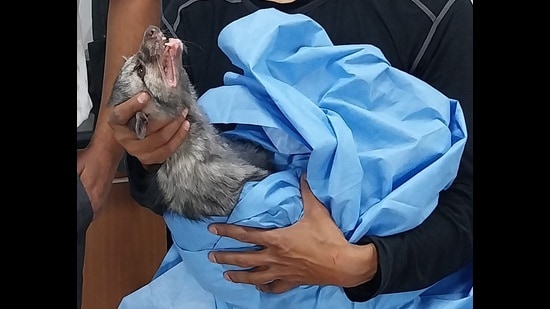
Prompt action was taken by SGPGI’s security personnel. Wildlife rescuer Irshad was called in, who managed to safely capture the civet cat. The animal was later released into its natural habitat near the Gautam Kheda forest.
Wildlife expert Irshad explained that the Indian civet is a nocturnal mammal belonging to the Viverridae family, with two main species found in India—the Large Indian Civet and the Small Indian Civet. Known for their distinctive stripes and scent glands, civets play a vital ecological role, helping control rodent populations and aiding in seed dispersal.
Despite their importance in the ecosystem, civet cats are often misunderstood. In many rural areas, superstitions persist, including the baseless belief that civets dig up graves and consume corpses. Such myths contribute to unnecessary fear and sometimes violence against the species.
The Indian civet is protected under Schedule II of the Wildlife Protection Act, 1972, making it illegal to harm or capture the animal.
PGI director professor RK Dhiman praised the alert staff, emphasising the institute’s commitment to safety and wildlife protection.


