E-Paper



PNG connections boom in Prayagraj as residents escape LPG shortage
The Indian Oil Adani Gas Private Limited (IOAGPL) recorded over 2,000 PNG (piped natural gas) connection bookings this month, marking a tenfold surge from the usual monthly average of 200 to 250 applications. This spike comes after the three-week shortage that has gripped the city, according to assistant manager Pankaj Kumar.

 Prefer HTon Google


The shortage of LPG (liquified petroleum gas) cylinders has sent residents turning to piped natural gas as an alternative. The supply crisis, which has left thousands waiting about a week for booked refills, has triggered a remarkable shift in consumer behaviour here.
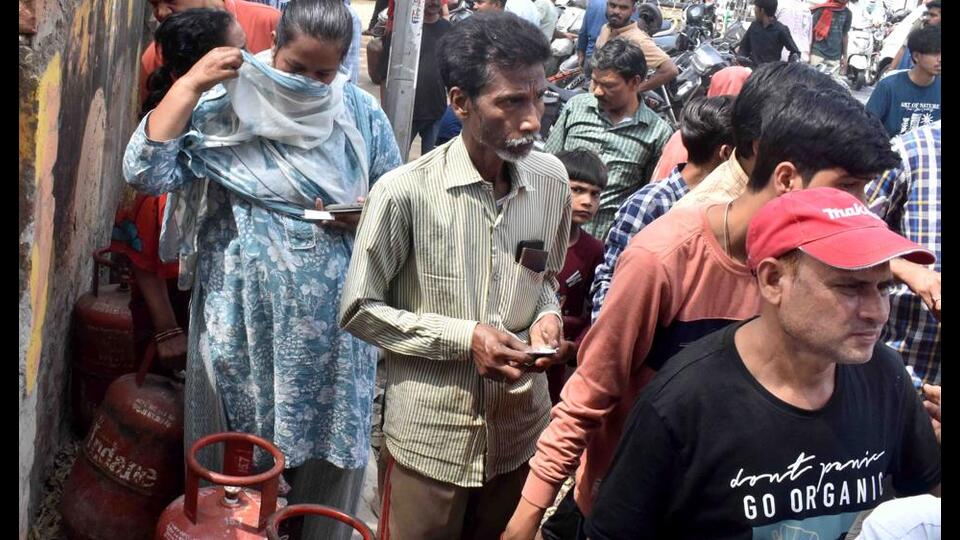
The Indian Oil Adani Gas Private Limited (IOAGPL) recorded over 2,000 PNG (piped natural gas) connection bookings this month, marking a tenfold surge from the usual monthly average of 200 to 250 applications. This spike comes after the three-week shortage that has gripped the city, according to assistant manager Pankaj Kumar.
“The spike is directly linked to the ongoing LPG supply crisis triggered by the Middle East conflict,” Kumar explained.
For consumers, PNG offers distinct advantages. There are no refills to chase, no cylinders to store, with the added benefit of a lower monthly expense. A 900-kilometre pipeline network is already operational across a dozen city locations including Civil Lines, George Town, Phaphamau, Jhunsi, Naini, Kalindipuram, Jhalwa, Bamrauli. Around 30,000 households currently receive piped gas through this network.
PNG costs 15 to 20% less than LPG, with monthly bills ranging between ₹750 to ₹800 compared to around ₹900 for a cylinder. “Every LPG cylinder when returned for a new refill has some unused content at the bottom, which is wasteful. PNG is measured in standard cubic meter (SCM) at ₹53 per SCM, billed bimonthly,” Kumar added.
New connections cost ₹7,118, including a refundable ₹7,000 security deposit. Customers can apply through the IOAGPL office in Civil Lines or via the IOAGPL Suvidha app.
Sunil Singh, district supply officer (DSO), reported that LPG supply is stabilising with a 6 to 8-day gap from booking date. He confirmed that families increasingly view PNG as a dependable, doorstep cooking gas source.