
 E-Paper



Quenching Lko’s summer thirst: New tubewells to be installed, redrilling planned for others
Jalkal department plans to install 28 new tubewells and re-bore old ones in Lucknow to address the water crisis, focusing on key vulnerable zones.


The Jalkal (water works) department has prepared a proposal to install over two dozen new tube wells along with re-boring others across the state capital, focusing on areas that rely solely on groundwater sources.
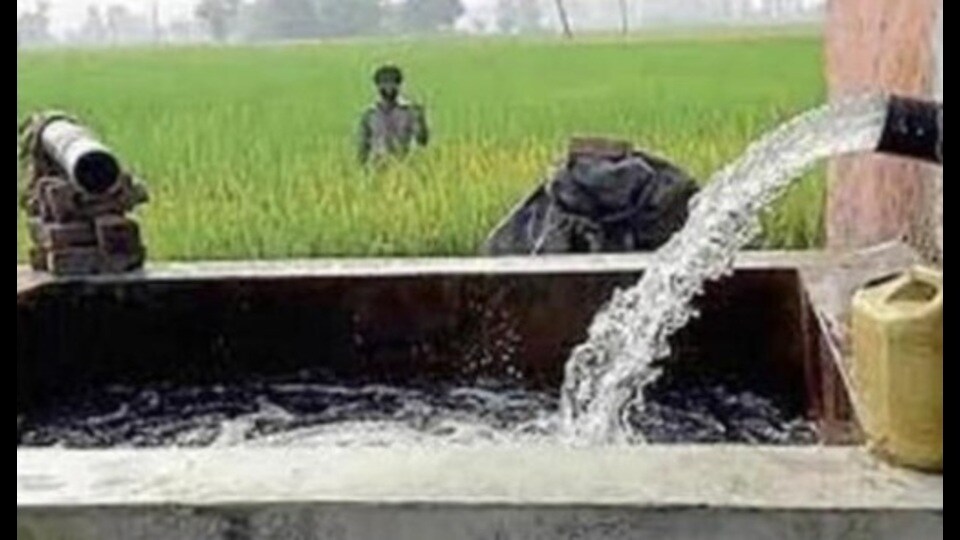
Lucknow has around 750 standard tubewells and approximately 250 mini-tubewells. However, many have stopped functioning due to outdated infrastructure and falling groundwater levels.
The new proposal aims to not only bring these up to speed, but also anticipate future demand as summer peaks. The department has received around ₹30 crore in funding, from which both new tubewell installations and re-boring of dysfunctional ones will be carried out.
Each new tubewell is estimated to cost ₹68.56 lakh, bringing the total proposed expenditure for 28 tubewells to approximately expected to be around ₹19.19 crore.
Kuldeep Singh, general manager, Jalkal department, confirmed that the proposal aims to tackle the growing water crisis by strengthening the tubewell network, especially in vulnerable zones. “We are prioritising zones that depend solely on tubewells. Zones 5 and 8, which are only dependent on tubewells, will be the first to receive new installations,” Singh said. Meanwhile, re-boring of old tubewells - which involves drilling deeper and replacing motors - will cost around ₹55.50 lakh per unit and the remaining amount will be spent on re-boring.
Singh explained, “Re-boring is not just about fixing a motor. It also involves installing new pipelines, and setting up fresh connections, all of which make the process costly.” The tubewell installation plan has been strategically designed based on feedback from corporators and areas which are dependent on tubewells.
“We have a tentative list of 48 locations where re-boring is to be done and 28 locations where new tubewells are supposed to be installed but as we lack funds, we will only be able to work at 30 sites, including both, installation of new tubewells and re-boring of old sites,” said Singh.
The tentative list mentions that Zone 2 and Zone 3: 9 tubewells each, Zone 4: 2 tubewells, Zone 7 and 8: 3 tubewells each, Zone 1 and 5: 1 tubewell each.
Executive engineer, Jalkal, Sachin Yadav, said, “These tubewells will replace defunct ones that have not been working for a long time. Corporators and residents have been flagging issues, and we have conducted site visits accordingly.”
Yadav said that soon after the list gets decided, work will begin and tenders will be awarded.
While a review meeting to finalise the installation plan was scheduled earlier, it was delayed due to the unavailability of the Jalkal GM. An official from the department said the meeting is now likely to take place in a week. “The list of locations may be revised slightly based on technical feasibility and the urgency of need in different localities,” the official added.


