E-Paper



SP turns to booth-level caste data ahead of 2027 assembly polls
Party sources said the exercise is being carried out through the SP’s organisational machinery and would help the party identify local issues, refine its political strategy and take informed decisions on candidates and seat-sharing arrangements with alliance partners.

 Prefer HTon Google


With the 2027 Uttar Pradesh assembly elections approaching, the Samajwadi Party (SP) has begun building its own caste-wise voter database, with booth-level workers verifying electoral rolls and mapping communities across constituencies. The exercise aims to give the party a clearer picture of caste equations before the Centre’s proposed caste census and help shape candidate selection, electoral strategy and alliance seat-sharing.
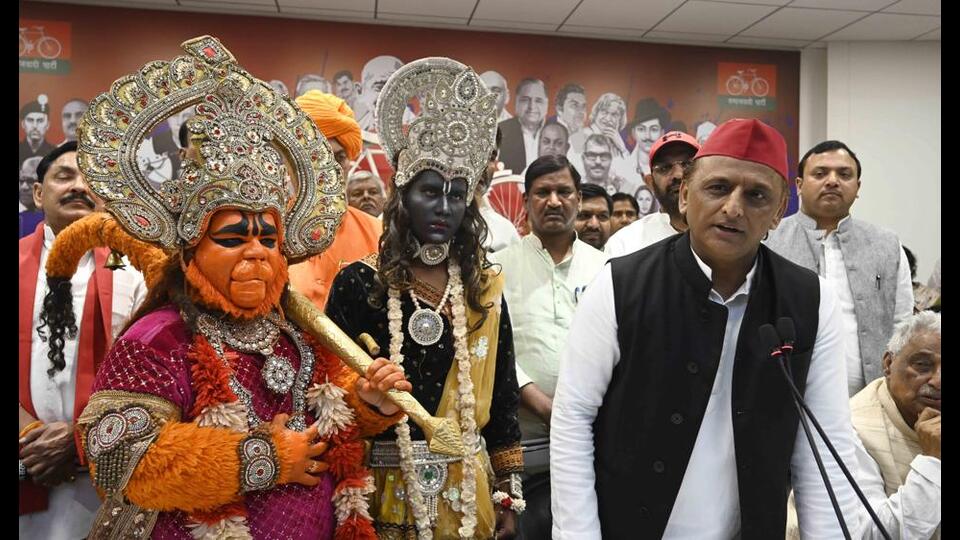
Party sources said the exercise is being carried out through the SP’s organisational machinery and would help the party identify local issues, refine its political strategy and take informed decisions on candidates and seat-sharing arrangements with alliance partners.
A senior SP leader, who did not wish to be named, said the exercise was already underway and involved collecting real-time ground-level voter data based on multiple parameters.
“Our booth-level assistants are verifying the voter list data, making a separate list of various castes and communities and sending it to district presidents, who are compiling it and forwarding it to state presidents. All the data will be compiled at the state level and then handed over to our national president Akhilesh Yadav,” the leader said.
The party had earlier sought lists of community-wise leaders from across the state and directed them to reach out to people from their respective communities, the leader said. “The exercise has been underway for the last two years,” he added. “The data will help the party select the right candidate and strike the correct caste balance in elections. We are not the only ones doing that, other parties have also done similar exercises from time to time.”
He added that the data would also help the party decide on seat-sharing arrangements with its alliance partners.
The internal drive relies on the SP’s existing network of workers and local units, besides data gathered by some external agencies. The party is seeking to build its own database ahead of the official caste census to get an early understanding of demographic patterns at booth and constituency levels.
Political observers note that caste equations have long remained a key factor in Uttar Pradesh elections, with political parties conducting internal assessments to plan their outreach and candidate selection. The SP’s exercise comes ahead of the 2027 assembly polls and the expected availability of official caste census data.