E-Paper



UP power infra boost: 3.4 lakh sq m land earmarked for 1,065 mw battery energy storage systems
Identified land spread across six transmission zones, with Prayagraj accounting for highest potential capacity of 376 mw, followed by Lucknow at 197 mw

 Prefer HTon Google


LUCKNOW In a push to bolster the state’s power infrastructure and meet peak energy demands, the Uttar Pradesh Power Transmission Corporation Limited (UPPTCL) has earmarked 3.40 lakh square metres of vacant land across its transmission substations for setting up Battery Energy Storage Systems (BESS).
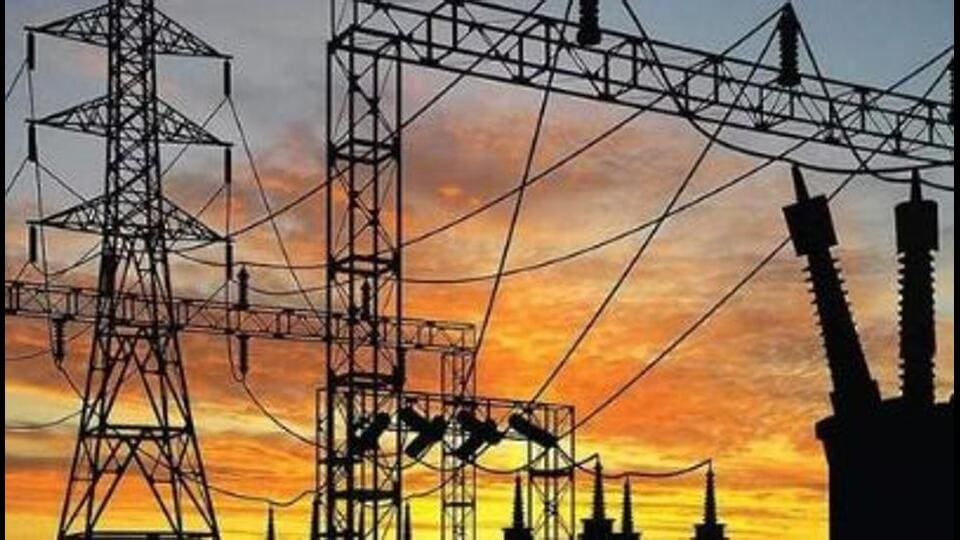
The proposed installations, identified at existing 220 kV and 400 kV substations, hold a potential capacity of 1,065 mw. Developing these storage systems alongside the existing power transmission network is expected to improve grid stability.
According to a presentation made at the corporation’s review meeting here recently, the identified land is spread across six transmission zones, with Prayagraj accounting for the highest potential capacity of 376 mw, followed by Lucknow at 197 mw and Gorakhpur at 172 mw.
The zone-wise assessment shows that 41,400 square metres of land is available in the Agra zone, which could accommodate battery storage capacity of 127 mw. The Meerut zone has 18,341 square metres of land with a potential capacity of 56 mw, while the Jhansi zone has 44,180 square metres with a potential capacity of 136 mw.
“Together, the six zones have 3,40,141 square metres of available land, which UPPTCL estimates could support battery storage installations totalling 1,065 mw,” a senior official said.
The presentation also identified five individual substations where land is available for battery storage capacity of 50 mw or more. These include the 220 kV substation at Phulpur in Prayagraj (166.15 mw), Mirzapur (124.62 mw), Chitrakoot (61.53 mw), Azamgarh (61.53 mw) and Deoria (83.07 mw). Their combined potential capacity is estimated at around 497 mw.
The identification of land at existing transmission substations could provide an opportunity to develop battery storage infrastructure alongside the power transmission network.
Sources said the transmission utility may lease out the identified land to developers for setting up the battery storage systems with both the Central and state governments giving incentives for these plants to meet the peak power demand as required.
Meanwhile, with an eye on the increased electricity demand during the summer of 2027, the UPPTCL has drawn up a five-month action plan to strengthen its transmission network and minimise the risk of equipment failures and power disruptions.
The utility has set March 31, 2027, as the deadline for completing its summer preparedness exercise, which will run from November 2026 to March 2027. The corporation also fixed April 15, 2027, as the deadline for submission of action-taken reports on the preparedness exercise.
“The exercise will include inspection and preventive maintenance of transmission lines, substations, transformers and associated equipment,” the official said, adding special emphasis would be placed on checking tower earthing arrangements, conducting transformer tests and carrying out thermographic inspections to identify potential equipment problems before the onset of peak summer demand.
The utility will also undertake fire safety checks at substations and clear vegetation and other obstructions along transmission line corridors to reduce the possibility of faults and trippings.
“The preventive maintenance drive is intended to improve the reliability of the transmission system during the summer months, when rising temperatures and increased electricity consumption put additional pressure on the network,” he pointed out.