E-Paper



U.P. seals deal for 3 solar plants, 2,000 MW by 2025-end
Currently, U.P. produces around 2,000 MW of solar power through various sources, including small plants and rooftop solar panels. The largest operating solar plant in the state since 2010 is the NTPC-run facility in Bilhaur, Kanpur.

 Prefer HTon Google


Uttar Pradesh has finalised developers for setting up three solar power plants with a combined capacity of 2,000 MW. The projects, spread across the districts of Jhansi, Lalitpur, and Chitrakoot, are expected to start generating green power by December 2025 and entail a total investment of around ₹10,000 crore.
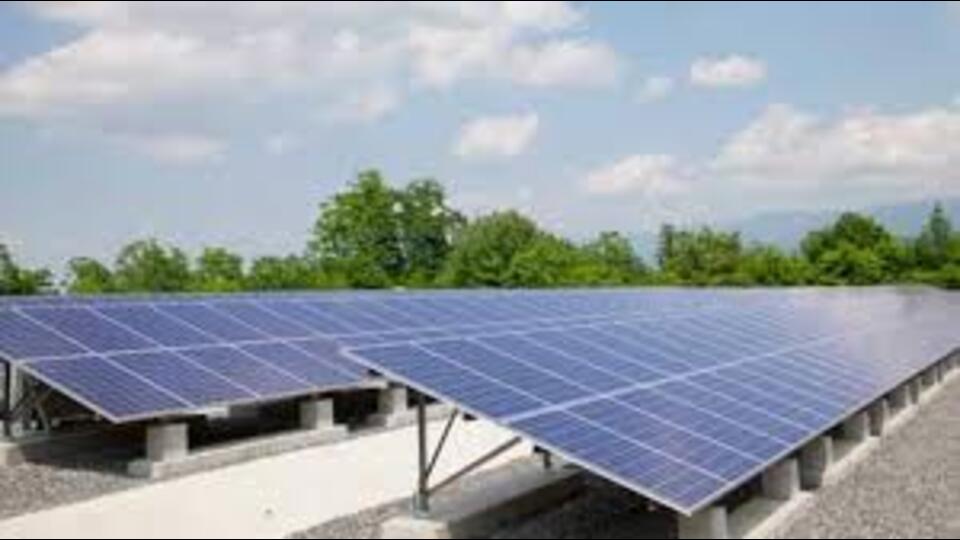
The Uttar Pradesh New and Renewable Energy Development Agency (UPNEDA) director Anupam Shukla confirmed the development, stating, “We have finalised developers for Jhansi, Lalitpur, and Chitrakoot solar plants within the solar parks developed by the government. These three plants will collectively produce 2,000 MW of green power by the end of 2025.”
NTPC Green Energy Ltd., a subsidiary of NTPC (National Thermal Power Corporation), has been entrusted with the task of setting up two large-scale solar plants. A 600 MW plant will be established in Lalitpur, while an 800 MW facility is planned for Chitrakoot. Meanwhile, the Hinduja Group will spearhead the development of a 600 MW solar plant in Jhansi.
The state government’s focus on solar power aims to enhance U.P’s clean energy capacity, generate employment, and boost economic development in the Bundelkhand region. “The Bundelkhand region is particularly suitable for solar projects due to the availability of vast land parcels and ample sunlight throughout the year,” Shukla noted.
In addition to these three mega projects, bids have already been invited to select developers for a 1,200 MW solar plant in Jalaun. The solar parks being developed across U.P. include cities like Kanpur Nagar, Kanpur Dehat, Mirzapur, and Prayagraj.
According to Shukla, TUSCO Ltd—a joint venture between UPNEDA and THDC India Ltd—has developed the necessary infrastructure, including transmission lines, within these solar parks. The land has been acquired and allotted by the state government, allowing developers to set up their plants efficiently.
Notably, during the Global Investors Summit 2023, the state government allotted land for 19 renewable energy projects.
Currently, U.P. produces around 2,000 MW of solar power through various sources, including small plants and rooftop solar panels. The largest operating solar plant in the state since 2010 is the NTPC-run facility in Bilhaur, Kanpur.
The state government’s ambitious solar expansion plan aims to commission nine solar parks with a combined capacity of 3,710 MW. So far, three parks with a total capacity of 435 MW have already been commissioned.