E-Paper



UPPCL mandates body cameras for inspections, issues SOPs
The SOPs apply to all discoms under UPPCL and cover vigilance teams, departmental teams and joint enforcement squads

 Prefer HTon Google


Uttar Pradesh Power Corporation Limited (UPPCL) has issued detailed standard operating procedures (SOPs) mandating the use of body-worn cameras by enforcement personnel during inspection and anti-power theft drives. The move aims to bring transparency, accountability and legal robustness to enforcement actions, a senior UPPCL official said.
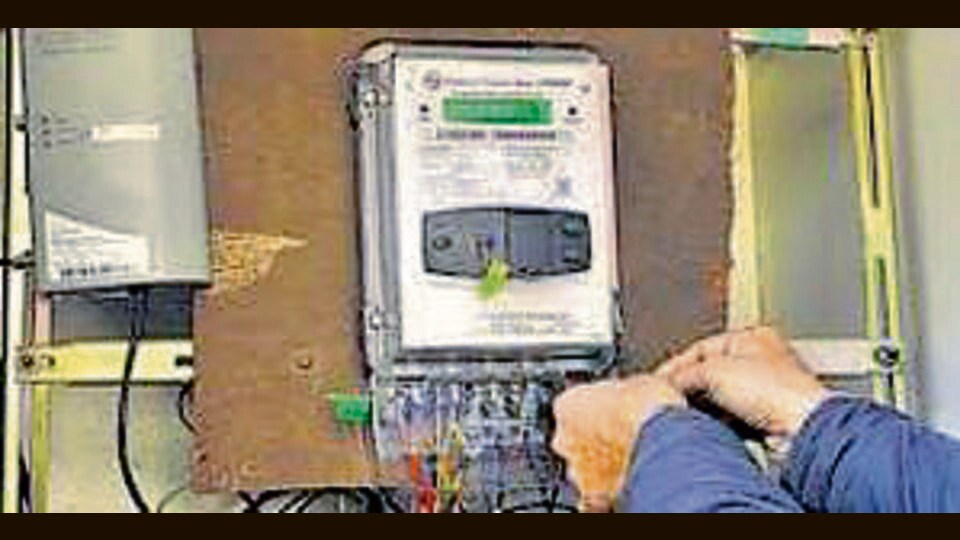
The SOPs apply to all discoms under UPPCL and cover vigilance teams, departmental teams and joint enforcement squads engaged in inspections and raids.
The move comes after years of widespread complaints about UPPCL’s enforcement and vigilance teams harassing and extorting power consumers while raiding their premises for power theft.
“We have supplied 300 body-worn cameras, 64 each to Meerut, Agra and Varanasi discoms, 92 to Lucknow discom and 16 to KESCO. No enforcement teams will raid or search any premises without wearing these cameras and follow the SOPs while doing so,” the official said.
Any enforcement action without a functional body-worn camera will not be considered valid. In vigilance-led raids, the vigilance officer will wear the camera, while in departmental inspections, the sub-divisional or authorised officer will do so. In joint raids, the vigilance officer will wear the camera, and in their absence, the designated departmental officer will take charge.
The camera must be switched on immediately upon reaching the inspection site and kept continuously operational until the completion of the checking process. All relevant activities, including inspection of equipment, evidence of power theft or irregularities, and interaction at the premises, must be recorded.
If any power theft or irregularity is detected, details of the seized material and evidence must be captured on camera. In cases where disconnection is carried out after inspection, the entire disconnection process must also be recorded.
The SOPs further state that after completion of the inspection, a copy of the inspection report should be provided to the consumer or their representative. If the consumer refuses to accept the report, the procedure prescribed under the Electricity Act, 2005, including seen documentation at a conspicuous place, must be followed and recorded on camera.
Each body-worn camera has a memory capacity of 128 GB, while servers can support up to 16 cameras with a storage capacity of around 96 hours per device. Recordings are required to be backed up weekly, while server data must be preserved for at least 20 days before transfer to an external storage.
Deletion of any footage will require written approval from the chief engineer (Distribution Area). UPPCL has directed all concerned officers and staff to strictly comply with the SOPs.