
 E-Paper



World Blood Donor Day: ‘Rural population lacks awareness about blood donation’
The urban middle class population and students at professional institutes form the major chunk of donors at blood donation camps, say experts


Urban populace is more aware when it comes to blood donation, both voluntarily and in exchange of blood from a blood bank, while the rural population lacks the basic awareness, said experts.
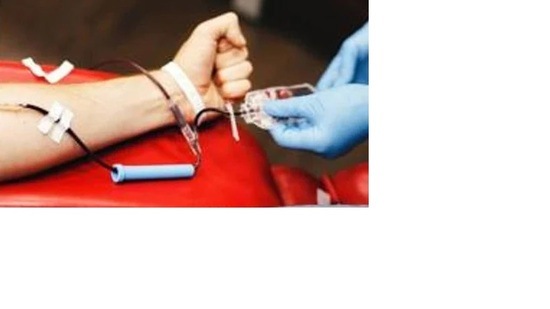
“Our past experience reveals that people from rural background lack correct information on blood donation. They often refuse to donate blood even if their close ones are admitted and need blood transfusion,” said Dr Tulika Chandra, HoD transfusion medicine at the King George’s Medical University.
The blood bank under transfusion medicine department issues around 250 units of blood components every day and is the biggest blood bank in the state capital in terms of donations.
“The voluntary blood donation camps that were affected during pandemic are now getting back on track. In pre-covid times, we organised up to 20 camps per month and now the ratio has reached 10 a month with at least 50 donations in each camp. But this figure is about the urban populace, at malls, institutes, and offices,” she said.
“The last camp in a rural pocket just recorded 5 donations,” Dr Chandra said. The urban middle class population and students at professional institutes form the major chunk of donors at blood donation camps.
“It takes time to convince attendants that blood has to be donated for each patient in need of the same. They (attendants) tend to look for options that someone may donate in their place,” said Dr Sandeep Kapoor, director Healthcity Hospital.
Experts said that there was a need to run awareness campaign, particularly in rural areas. “People need to understand that blood cannot be purchased as it cannot be manufactured. It’s only by human blood donation that a needy patient’s life can be saved. Hence, all eligible and fit people should come forward to donate blood. It is also ensured that their (donor’s) blood is screened for infections such as HIV, hepatitis, etc,” said Dr Abhishek Shukla, secretary general association of international doctors.
Pushpendra donated plasma too
Pushpendra Kumar, 39, has been donating blood voluntarily since 2015 and he has done it 20 times. “I had decided to donate blood every six months. My blood group is B negative which is one of the rarest groups, hence I decided to help those in need,” he said.
During the first wave of covid pandemic, Pushpendra tested positive for covid and later after recovering, he decided to help others in this situation. “As I recovered, I donated plasma which was much in demand from recovered covid patients for treatment of serious covid patients,” he said. Pushpendra is an employee with the KGMU in Lucknow.
Lohia institute relaxes norms for two days
The blood bank at the Dr Ram Manohar Lohia Institute of Medical Sciences (RMLIMS) will provide blood units to needy patients without mandatory replacement for two days from Tuesday.
“This is being done to mark the World Blood Donor Day. The blood units will be provided to needy patients on the basis of availability. Donating blood unit in exchange of each unit issued from blood bank is mandatory but this will be relaxed for two days,” said Dr VK Sharma, in charge blood bank at RMLIMS.


