
 E-Paper



BMC requests NIV to send Covid-19 positive wastewater for genome sequencing
Experts said that unlike other respiratory viruses, RNA [ribonucleic acid] of SARS-CoV-2 and other coronaviruses can be detected in human faeces too.


Mumbai: Two weeks after the Brihanmumbai Municipal Corporation (BMC) announced its plan of genome sequencing the Covid-19 positive sewage water samples, it has now requested agencies like National Institute of Virology (NIV), Pune to send their waste water samples found RT-PCR positive for genome sequencing. Experts said that unlike other respiratory viruses, RNA [ribonucleic acid] of SARS-CoV-2 and other coronaviruses can be detected in human faeces too.
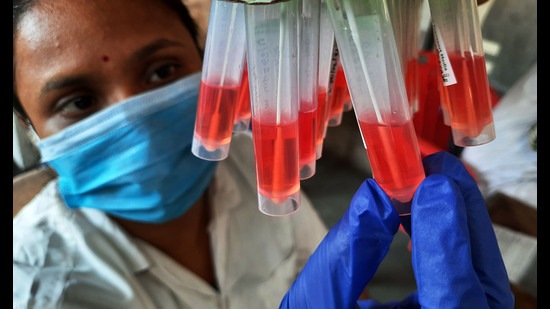
“We have requested the NIV to share the positive wastewater samples for genome sequencing. We have also requested them to use our manpower in collecting more samples from the city. We will divide the samples for RT-PCR among us and positive samples will be processed for genome sequencing,” said Suresh Kakani, additional municipal commissioner, BMC.
A BMC health official, said NIV had collected more than 2000 samples since July 2020 and has significant positive samples that they haven’t processed yet for genome sequencing. “This will avoid duplication of work as more samples can be processed for genome sequencing,” said the official.
With the drop in both new cases of Covid-19 and hospitalisation in the city, BMC said it is struggling to get samples for genome sequencing. Since the inauguration of a genome sequencing machine in BMC’s Kasturba Hospital, the corporation has carried out 7 of the 10 surveys for genome sequencing to understand the pattern of Covid-19 spread in the community. In the latest survey, which was announced early this month, 237 samples that the BMC’s health department had collected from patients belonging to different age groups and gender, were positive for the Omicron variant or its other subtypes. Total 380 samples can be processed at a time.
“Hospitalisations are very less because of Covid-19. Also, less people are testing for Covid-19. It has become challenging to collect 250 to 350 samples for the genome sequencing process as the sample size is very less. We are therefore tapping new sources like wastewater samples for genome sequencing,” said Kakani.
BMC has decided to collect waste water samples from 16 places, mostly areas near hospitals.
Earlier, the Indian Institute of Technology Gandhinagar (IIT-Gn) had joined a global consortium of 51 premier universities and research institutes to undertake surveillance of sewage water to help determine and quantify excretion of the Sars-Cov-2 virus, which caused Covid-19. Recent studies have reported that in 27% to 89% of patients, the infection is accompanied by persistent shedding of virus RNA in stool.
Stay updated with all the Breaking News and Latest News from Mumbai. Click here for comprehensive coverage of top Cities including Bengaluru, Delhi, Hyderabad, and more across India along with Stay informed on the latest happenings in World News.


