
 E-Paper



BMC’s draft hoarding policy critiqued by citizens, advertisers
BMC formulated the ‘Draft Policy of Outdoor Advertisements, 2024’ in August 2024 and elicited reactions from citizens before a final policy can be tabled.

 Prefer HTon Google


Objections raised on reduction of distance between hoardings, zone-wise limits and impinging on city’s aesthetics
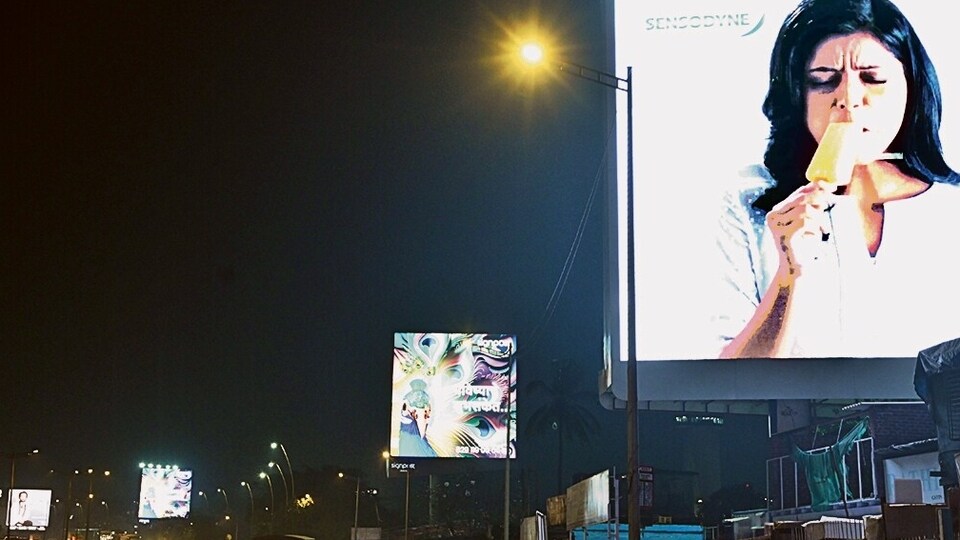
MUMBAI: After a 120ft x12ft hoarding crashed in Ghatkopar in May 2024 killing 17 and injuring 74, the Brihanmumbai Municipal Corporation (BMC) formulated the ‘Draft Policy of Outdoor Advertisements, 2024’ in August 2024 and elicited reactions from citizens before a final policy can be tabled. While 15 days were given to complete suggestions and objections, the Assembly elections slackened the pace.
On Thursday when a group of citizens and stakeholders from the advertising industry met at the Penguin building in Byculla Zoo, where public hearings take place, to air their critique on certain features of the policy, there was unanimous concern over reduction of distance between hoardings from 100m to 70m; the absence of zone-wise sizing limits depending upon the width of roads and type of neighbourhood; permitting mobile van advertisements, among others.
Junaid Shaikh, managing director of Roshan Space, a significant player in the outdoor advertising hoarding space, said, “The outdoor advertisement policy should be prepared by a third party expert which will bear in mind the aesthetic and innovative sensibilities for Mumbai. The draft policy created by the BMC is arbitrary, restrictive, self-contradictory and will multiply visual clutter.”
He objected to the reduction of distance between two hoardings from 100m to 70m, even as the maximum size of the hoardings have been kept to 40ft x 40ft. “This would mean multiple hoardings of varying sizes along a stretch of a road can be set up. This will ruin the city’s appearance. Alongside, BMC putting fewer restrictions on mobile vehicle advertising, advertising on bus shelters, road medians, traffic islands, compound walls of residential premises, construction fences, etc will be a strain on our senses,” he said.
Chetan Kamble, citizen activist and founder of ChakaChaka Dadar, which looks after civic issues in Dadar, agreed with Shaikh on the “visual pollution” that is likely to be unleashed on the city through the policy. “BMC should reintroduce the previous zoning-based approach, tailoring hoarding size limits to different areas of the city based on safety, aesthetic concerns and impact on traffic,” said Kamble.
Shaikh also stressed on structural stability certificates from “a reputed institute rather than BMC’s certified engineers, where there is a higher chance of manipulation as was the case with the Ghatkopar hoarding”.
“The 40ft x 40ft maximum size is also arbitrary, as stress should be put on the engineering capability to support the hoardings. BMC must mandate minimum size of hoardings at 20ft x 20ft, as smaller ones (10ft x 10ft) add to the clutter and are more susceptible to misuse as quality measures can be flouted. The rigid proportions also will not work for digital hoardings, whose standard norm is 9:16 ratio,” said Shaikh.
Representatives from Jay Prabha Synergy argued for the inclusion of digital displays on glass facades and laser projected advertisements (currently allowed for public shows), as they are accepted internationally.
Kamble also raised concerns about the levels of illumination of digital and video advertisements, adding, “the policy also does not specify colour usage, height restrictions or the content guidelines, which can cause driver distraction and environmental light pollution”.
He added, “Advertising near heritage structures should be limited so that the places’ visual and cultural integrity can be maintained.”
Another advertising professional Sudesh Paul, who works at Apar Advertisers, termed the past and the draft policy “too stringent when compared to other Indian cities”. He explained, “Mumbai is one of the most expensive markets for outdoor advertising space. BMC is charging a 10% compound increase in the license fee every year. Alongside, the security deposit for hoardings has been increased from one month’s advertisement fee to six, which will add to the monetary crunch. One incident which contravened the rules and safeguards should not be a death knell for the industry.”
An officer from BMC’s licence department, who was present at the hearing, said, “It will take approximately another 15 days for the policy to be finalised and sent to the municipal commissioner for approval.”

Stay updated with all the Breaking News and Latest News from Mumbai. Click here for comprehensive coverage of top Cities including Bengaluru, Delhi, Hyderabad, and more across India along with Stay informed on the latest happenings in World News.


