
 E-Paper



Bombay HC cites possibility of death by suicide, acquits murder convict
The woman’s mother found her daughter drenched in blood with a broken sickle and a blade nearby. She reported the matter to the police, accusing her son-in-law of having murdered her daughter

 Prefer HTon Google


The Bombay high court has acquitted a 35-year-old murder convict from Satara saying there is a strong possibility that his wife he was convicted of murdering may have died by suicide.
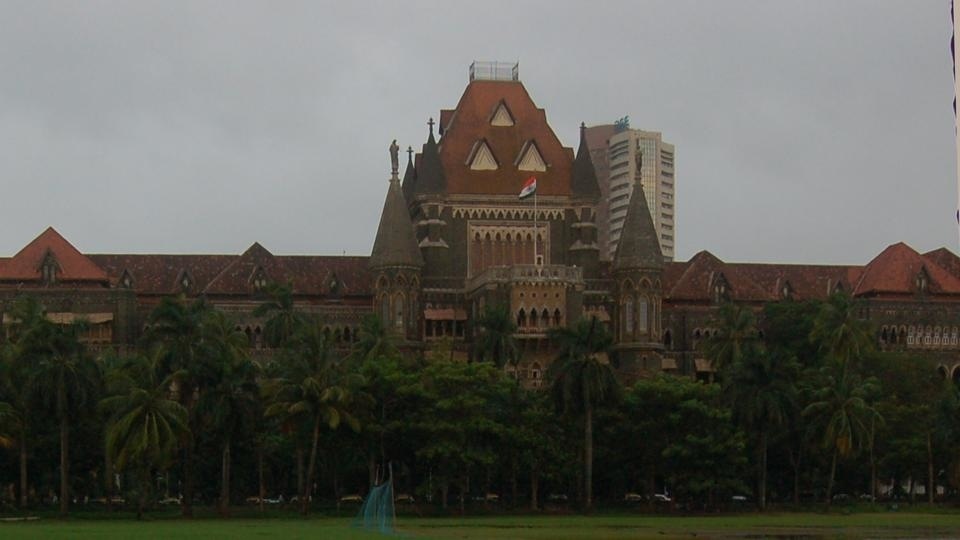
According to the prosecution, the woman was found dead under a tree hours after the couple in May 2013 left together to fetch wooden logs to support the roof of their hut. The woman’s mother found her daughter drenched in blood with a broken sickle and a blade nearby. She reported the matter to the police, accusing her son-in-law of having murdered her daughter.
An additional sessions’ judge in Vaduj in April 2015 accepted the prosecution case based on circumstantial evidence and convicted the man of murdering his wife and sentenced him to life imprisonment.
The man challenged the conviction. His lawyer, Aashish Satpute, argued the prosecution failed to prove the homicidal nature of death beyond a reasonable doubt.
A division bench of justices Sadhana Jadhav and NJ Jamadar accepted Satpute’s argument. It said the prosecution proved that the couple was last seen together. But the bench added the nature of injuries indicated death by suicide. “The wounds found on the person of the deceased especially the situs, elective parts, and nature are suggestive of suicidal infliction.”
The judges noted the woman was right-handed and had two injuries each on her left wrist and left side of the neck. “One injury each on the wrist and neck was superficial - like a test suicidal infliction and other injuries were deep - perhaps inflicted after the victim gathered more courage to take her own life.” The judges said both the injuries were parallel and the clothes of the deceased were not soiled, which they called “other signs of suicidal infliction”.
“As the fundamental fact of the deceased having met a homicidal death itself is in the corridor of uncertainty, in our view, the circumstance of last seen and the failure of the accused to offer a plausible explanation, on their own, are not sufficient to sustain the guilt of the accused beyond reasonable doubt,” said the court.


