
 E-Paper



Export slump, LPG shortage crash vegetable prices in Thane APMCs
A drastic reduction in export orders and local consumption is plunging vegetable prices to record lows, adversely affecting the livelihoods of farmers, traders, and others along the agricultural value chain

 Prefer HTon Google


Thane: Farmers supplying vegetables to the Agricultural Produce Market Committees (APMCs) at Shahpur and Kalyan in Thane district are facing a crisis due to a sharp decline in demand, triggered by the West Asia conflict and the subsequent domestic LPG supply crunch. A drastic reduction in export orders and local consumption is plunging vegetable prices to record lows, adversely affecting the livelihoods of farmers, traders, and others along the agricultural value chain.
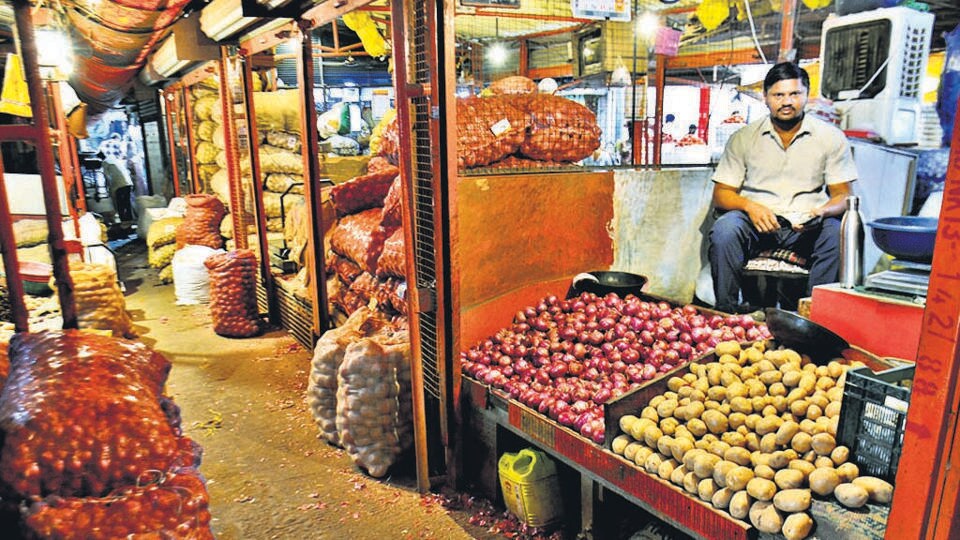
According to farmers and traders, vegetables such as bhindi (okra), karela (bitter gourd), cucumber, chilli, ginger, moringa and capsicum, which were earlier exported in large quantities to the United States and several countries in West Asia, are now witnessing almost no international demand. As a result, produce meant for export is being diverted to local markets, leading to a sharp price drop.
Okra, once one of the most sought-after vegetables and previously sold at around ₹50 per kilogram, is now fetching as little as ₹10 per kilogram. Farmers said that such rates are too low to even cover basic harvesting and transporting their.
Nandkumar Dohale, chairman of Shahpur APMC, said the situation has changed dramatically in a matter of weeks. “Earlier, more than 50 trucks used to arrive at Shahpur daily to procure vegetables for export and bulk distribution. Now, hardly any trucks are visiting these markets due to the absence of export orders. Previously, we struggled to meet the high demand, but now there is virtually none. If the situation does not improve within the next 10 days, the consequences for farmers and traders will be unpredictable,” he said.
Adding to the crisis, hotels and restaurants across the region have either reduced or completely stopped purchasing vegetables due to constraints in LPG supply. The shortage of cooking gas has forced many establishments to cut down operations or temporarily shut down kitchens, resulting in a significant fall in institutional demand for vegetables. With fewer buyers in the export sector, surplus produce is flooding retail markets, causing prices to decline further.
Gajanan Umavne, a farmer from Shahpur, said many cultivators are now contemplating leaving their crops unharvested. “At the current rates, we will not even be able to recover the picking charges paid to workers in our farms,” he said.
The impact of the crisis is also being felt at the Kalyan APMC, which typically receives a large number of farmers from Kasara, Karjat, and the Murbad belt. Market officials said export-related business activity has dropped by nearly 80% in recent weeks.
Vegetables such as chilli, ginger, lemon, and moringa usually dominate the export list from Kalyan APMC. Before the Iran war began, the market used to dispatch more than 50 tonnes of vegetables daily to Arab countries, traders said. Nearly two weeks into the conflict, their export operations have come to a near standstill.
Shishil Yevale, president of Kalyan APMC, said the sudden collapse of exports has created a severe imbalance in the market. “Farm produce that was meant exclusively for export is now being pushed into the retail market. Since we deal with highly perishable goods, we cannot store them for long periods. Farmers are, therefore, forced to sell their produce at whatever price they can get,” he said.
Yevale added that vegetable prices have already fallen by 50%-70% across several commodities, and the situation may deteriorate further if the international conflicts continue. He also pointed out that wholesale purchases by hoteliers from Kalyan, Dombivli, and Bhiwandi have almost completely stopped.
“Hotels were earlier among the biggest buyers of vegetables from the market. However, many of them have stopped visiting the APMC as they are unable to run their kitchens due to the cooking gas shortage. Some establishments have even shut down temporarily. With both export and domestic demand shrinking simultaneously, we and farmers fear the coming weeks could be critical for the entire agricultural supply chain in the region,” he said.
There are nearly 1,200 hotels operating within the Thane municipality jurisdiction that source their vegetables from Kalyan and other APMCs, of which only around 120 have access to pipeline gas connections, according to Raghunath Shetty, secretary of the Thane City Hotel Association.
The remaining 1,000-odd establishments, which continue to depend entirely on LPG cylinders for their daily operations, may be forced to shut down within the next two to three days if the situation does not improve, he said, adding that over 80% of these hotels have already stopped buying vegetables from wholesale markets.

Stay updated with all the Breaking News and Latest News from Mumbai. Click here for comprehensive coverage of top Cities including Bengaluru, Delhi, Hyderabad, and more across India along with Stay informed on the latest happenings in World News.


