
 E-Paper


Served eviction notice in 2013, HC asks 2 firms occupying RBI-owned building to vacate
The court observed that it was not necessary for the RBI to prove any grounds such as security threat or bonafide requirement for seeking eviction of the petitioners

 Prefer HTon Google


Mumbai: The Bombay High Court on Monday upheld a 2014 order of a city civil court and asked two firms occupying the Reserve Bank of India (RBI)-owned Amar Building in Fort to vacate the premises.
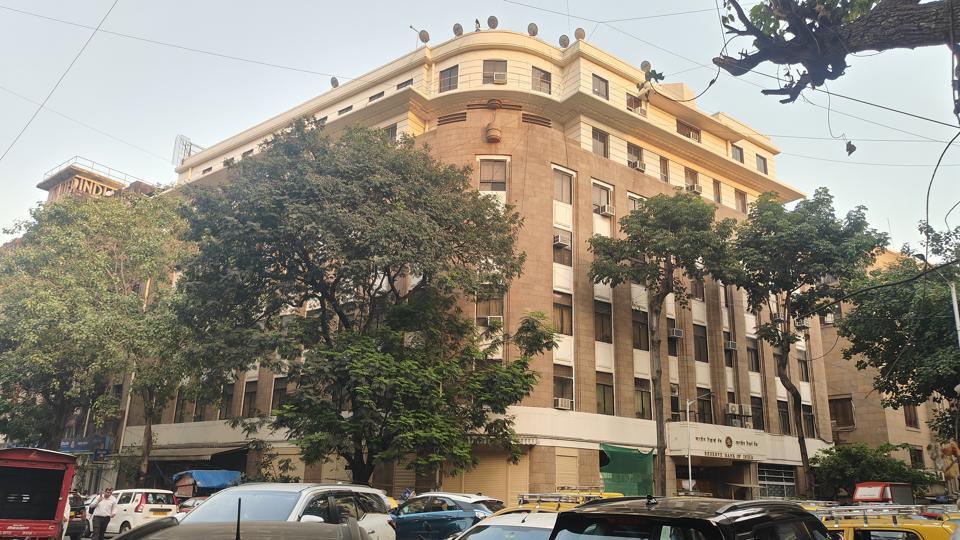
The firms – Munjee Nathoobhoy and Company (MNC) and Reunion Private Limited (RPL) – had been occupying the building for 13 years after they were served eviction notices on April 15, 2013 under the Public Premises (Eviction of Unauthorised Occupants) Act, 1971. The firms had challenged the notices first in the city civil court and then in the High Court.
Dismissing their challenge to the eviction order, a single-judge bench of justice Sandeep Marne said, “Pendency of litigation has enabled them to remain in occupation of the premises for a considerable period of time. As a matter of fact, petitioners had undertaken to scout for alternate premises on 12 January 1961 (sic). However, for the last 65 long years, they are still occupying the public premises. Time has come for them to vacate the possession of public premises.”
MNC and RPL are both tenants in the building which the RBI bought in 1947. The RBI first initiated action against the firms in 1959 under the Bombay Rents, Hotel and Lodging House Rates Control Act, 1947 in the Small Causes Court. In 1961, RPL agreed to look for alternative accommodation after entering into consent terms with the RBI and surrendering part of the premises it occupied, though it stayed put in the building.
In 2009, the RBI approached the Estate Officer, contending that there was a security threat to the bank and that the petitioner’s presence on the bank’s premises increased its vulnerability to terrorist attacks. It said that the Intelligence Bureau in 2002 and the Mumbai Police in 2005 had both recommended removal of non-RBI entities from Amar Building.
Both MNC and RPL contended that the eviction orders were based on stale security reports. In 2014, the High Court granted an interim stay on the eviction order issued to them while their petitions were pending.
In Monday’s order, Justice Marne noted that shifting of the petitioners from Amar Building was actually one of the several recommendations made by the Intelligence Bureau. The court noted that another security report on July 31, 2010 by the Protection and Security Branch of the RBI also recommended eviction of the petitioners from Amar Building.
The RBI said that once it had perceived a security threat, it was justified in terminating the tenancy. It said it had no commercial motive as it was not going to rent out the building after evicting the petitioners.
The court said that petitioners who occupied public premises could not question recommendations made by security agencies and claim there was actually no security threat. Justice Marne observed that it was not necessary for the RBI to prove any grounds such as security threat or bonafide requirement for seeking eviction of the petitioners.
“Though not required, RBI has established its requirement of the public premises for security purposes. Petitioner has not been able to make out a case that the threat perception and security concerns perceived by RBI, based on material on record, is totally unfounded,” justice Marne observed.

Stay updated with all the Breaking News and Latest News from Mumbai. Click here for comprehensive coverage of top Cities including Bengaluru, Delhi, Hyderabad, and more across India along with Stay informed on the latest happenings in World News.


