
 E-Paper



NGT directs 18 local bodies of five districts to treat sewage or face fine: Punjab
Instructions issued after DCs and executive officers of 26 municipalities from Fazilka, Ferozepur, Muktsar, Moga and Faridkot attend a meeting with NGT’s state monitoring panel


Bathinda The state monitoring committee of the National Green Tribunal (NGT) on Tuesday directed all 18 urban local bodies (ULBs) of five Malwa districts of Fazilka, Ferozepur, Muktsar, Moga and Faridkot to start in-situ (in original place itself) bio-remediation of sewage. Bio-remediation is the use of either naturally occurring or deliberately introduced micro-organisms to consume and break down environmental pollutants. The NGT will impose a penalty of ₹5 lakh on ULBs that fail to comply with the directions by March 31 this year.
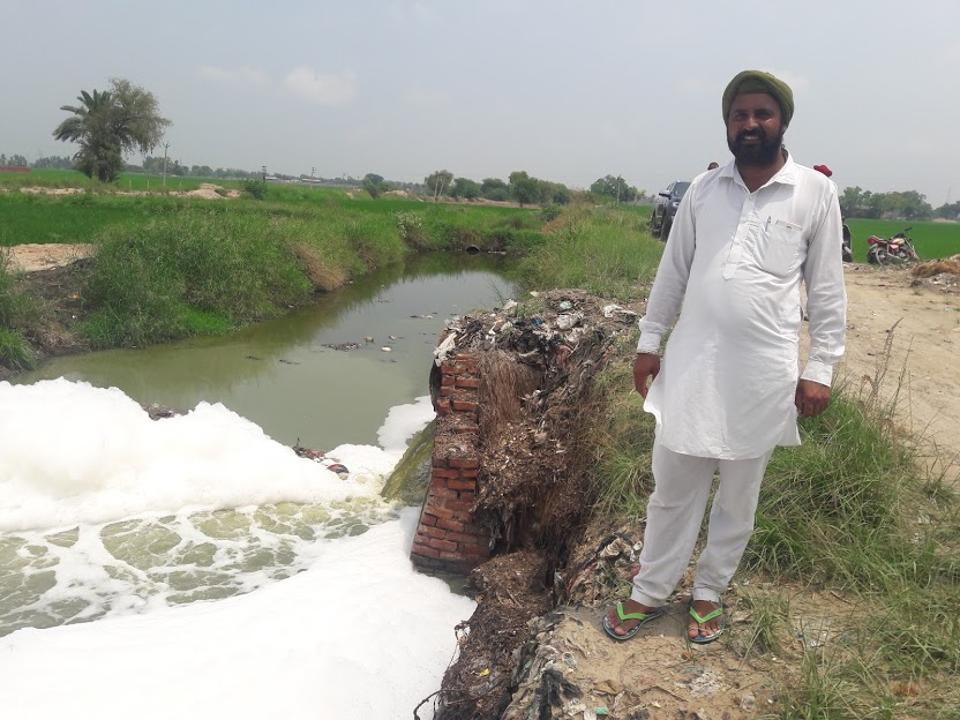
These instructions were issued after a high-level, first-of-its-kind meeting in Fazilka in which DCs and executive officers of 26 municipalities from these five districts were present. The meeting was called to audit the environmentally hazardous practice of discharging untreated municipal waste into drainage networks. The widespread groundwater contamination in villages located near the India-Pakistan border of Fazilka is attributed to untreated sewage released in drains by districts in the Malwa belt.
Only 8 of 26 local
bodies have STPs
After the meeting, NGT state panel head justice Jasbir Singh (retired) told HT that it was found that of 26 local bodies, sewage treatment plants (STPs) were functional only in eight towns namely, Abohar (Fazilka), Talwandi Bhai, Ferozepur, Makhu, Zira (Ferozepur), Moga and Dharamkot (Moga) and Malout in Muktsar. He added that municipalities had been instructed to ensure that untreated wastewater was not released in drains.
ULBs in Malwa have been told to commission STPs by March 31, 2021, otherwise, the NGT will impose a compensation of ₹10 lakh per month, he added. “These instructions have been passed in accordance with an order that the principal bench of the NGT had passed last month,” justice Jasbir added.
DCs, who are the ex-officio heads of a district task force under the ‘Clean Sutlej’ action plan, have also been instructed to coordinate with the state government for financial support to set up the STPs.
“It is a worrying practise that ULBs discharge sewage directly into drains. Such unscientific discharge pollutes the Sutlej and poses a serious threat to groundwater in Fazilka district. In situ bio-remediation of municipal waste is an interim arrangement to curb pollution,” said the state panel head. Once the STPs are fully-functional by March next year, it will be ensured that treated wastewater is used for farming. “The state committee will regularly monitor the progress of the establishment of these STPs,” the panel head added.


