E-Paper



Odisha CM tables resolution on development of corridor around Puri temple
As per the Shrimandira Parikarama Plan, the entire area within 75-metres around the Jagannath Temple will be transformed into a heritage corridor.


Days after the BJD and the BJP sparred on draft heritage bylaws on the 12th century Jagannath temple of Puri, Odisha chief minister Naveen Patnaik on Saturday presented a resolution in the state assembly on the ₹3,200 crore Shrimandira Parikarama Plan calling Lord Jagannath the symbol of Odia esteem and pride.
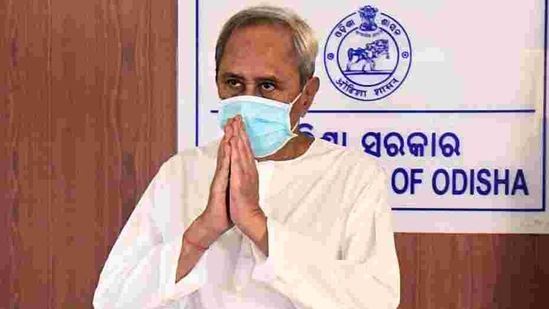
“The greatest identity of Odia community is Lord Jagannath. Our history, culture, tradition and belief system are all centred on the Almighty. He is the symbol of Odia esteem and pride. Visiting the Jagannath Temple once in a lifetime and getting a glimpse of the Lord is the only prayer of millions of devotees. All devotees, who come to the Jagannath temple in Puri to see the Lord, have a desire in their hearts to behold the deities in a calm, beautiful and spiritual environment. It is the responsibility of all of us to come back with a divine feeling,” said Patnaik as opposition Congress and BJP welcomed the resolution for the development of the temple.
Also read: On Balakot anniv, IAF video shows jets bombing target with Spice 2000 bombs
As per the Shrimandira Parikarama Plan, the entire area within 75-metres around the Jagannath Temple will be transformed into a heritage corridor to attract devotees from across the world.
As per the Srimandir Parikrama project heritage, as many as 22 projects will be executed in three phases within a couple of years. The area around the temple would be divided into 9 zones.
A 7-metre green buffer zone adjacent to the Meghanad wall would come up followed by a 10-metre-long Antar Parikrama which will be used for the ceremonial procession of the deities. Besides, there will also be an 8-metre-long outer pradikshyan for devotees and a 10-metre public conveyance zone having restrooms, drinking water fountain, information-cum-donation kiosks and shelter pavilions.
There is also a provision of a 5-metre service lane for the maintenance of the corridor, a 4.5-metre dedicated shuttle-cum-emergency lane, a 7.5-metre mixed traffic lane to aid the movement of vehicles around the corridor and a seven-metre wide shaded footpath with trees.
The eastern plaza of the corridor is proposed as a large open space.
A reception centre with a capacity to house 6,000 devotees and a cloakroom facility for 4,000 families is also planned. The mutts will be developed in Kalingan style architecture. Around 15.65 acres of land has been acquired for the heritage corridor.
Calling the Jagannath temple as a centre of Odisha's spiritual heritage, CM Patnaik said the state has inherited from generation to generation. "We have preserved this priceless treasure for our future descendants in the legacy. We have to look into the Shrimandira Parikrama Plan with this spirit and make it happen with collective efforts. We need to take a vow to complete the Shrimandira Parikrama Plan with dedication at the earliest. To give a chance to all Odias and devotees of Lord Jagannath who want to contribute to this sacred act.”
Patnaik said three objectives were considered for Srimandir Parikrama Yojana that were recommended by justice BP Das Committee. The recommendations were — safety of Srimandir, safety of millions of devotees visiting the temple for darshan of deities and creation of a spiritual atmosphere for devotees.
The resolution for the Jagannath temple comes in the backdrop of the draft heritage bylaw for Jagannath temple issued by the National Monument Authority kicking up a political storm last month with the BJD alleging that it would affect the proposed development plan of the area around the shrine. Following appeals from the BJD and the BJP, the NMA, earlier this month, withdrew the bylaws that would have stopped any new construction within 100-metre radius of the temple. The NMA also put on hold two other draft bylaws for Ananta Basudeva temple and Brahmeswar temple in Bhubaneswar that would have affected the development of the area around the 11th century Lingaraj temple.
"Instead of pitching Jagannath temple as a symbol of Odia pride and esteem and bring religion into state's political discourse, the BJD would do well by focussing on real issues like paddy procurement and unemployment plaguing the state. In Bengal, the BJP got an entry as Mamata Banerjee wanted to appease Muslims by reading Namaaz. The soft Hindutva line to counter the BJP would not work and the BJD should realise that," said Ali Kishore Patnaik, state secretary of CPI(M).
BJP MP from Bhubaneswar, Aparajita Sarangi, said the development of the Jagannath temple should be done as per the NMA and ASI guidelines.
"As per the Ancient Monuments and Archaeological Sites and Remains Act (or AMASR Act) 1958, no new works can be undertaken in the prohibited area within 100 metres radius of the Srimandir. However, various heritage monuments under the 75 metres of the temple, were demolished in the name of beautification and development. On behalf of the people of Odisha, I want to ask the State government whether detailed mapping was conducted before razing the mutts. Most importantly, whether the permission of the National Monument Authority (NMA) and the ASI was taken before razing them,” she stated.